

Views: 0 Author: Site Editor Publish Time: 2025-09-18 Origin: Site
An acrylic mirror, often referred to as a PMMA mirror, is manufactured from polymethyl methacrylate and coated to create a reflective surface with controlled light transmittance. Compared with traditional glass mirrors, acrylic mirror panels are significantly lighter and far more impact-resistant. They are not easy to shatter, which makes them attractive for commercial environments where safety and flexibility matter. The reflection is slightly softer than glass, producing a gentle visual effect that many designers consider more comfortable for long viewing sessions. In professional gyms and dance studios, these characteristics translate into practical benefits that go beyond simple decoration.
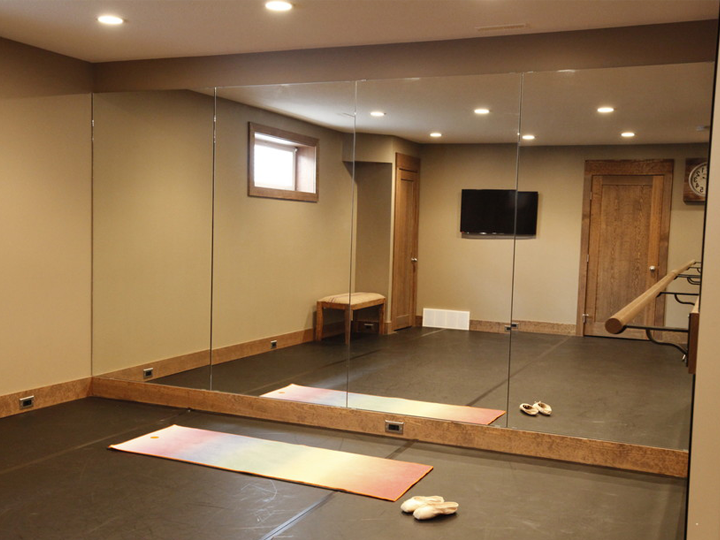
Fitness and dance environments demand materials that combine durability, safety, and visual clarity. Unlike glass, acrylic mirror sheets reduce the risk of dangerous breakage if struck by equipment or accidental impact. Their lighter weight simplifies transportation and installation, especially in multi-story buildings where structural load must be controlled. These qualities explain why many training centers explore acrylic mirror options when upgrading or designing activity spaces.
In a modern gym, mirrors are more than decorative surfaces. They function as real-time feedback systems. When athletes perform weight training, yoga, or functional workouts, posture accuracy directly influences performance and injury prevention. An acrylic mirror allows users to observe shoulder alignment, spinal position, knee tracking, and balance. Small deviations in form become visible, enabling immediate correction without the need for constant instructor supervision.
For personal trainers, mirrored walls assist in demonstrating movements from different angles. Clients can compare their posture with the instructor’s demonstration and adjust accordingly. This visual reference encourages body awareness, which is especially valuable in strength training and rehabilitation programs. The impact-resistant nature of acrylic mirror panels adds a layer of safety in weightlifting zones where dumbbells or resistance equipment might accidentally hit the wall.
Spatial perception is another important factor in gym design. Reflective surfaces visually expand narrow training rooms, reducing the sense of confinement that sometimes accompanies indoor exercise. Acrylic mirror panels reflect natural and artificial light, distributing brightness more evenly across the room. The environment appears open and energetic, helping maintain motivation during long workout sessions. The softer reflection characteristic of PMMA mirror sheets also reduces harsh glare under strong LED lighting, making the training experience more comfortable for the eyes.
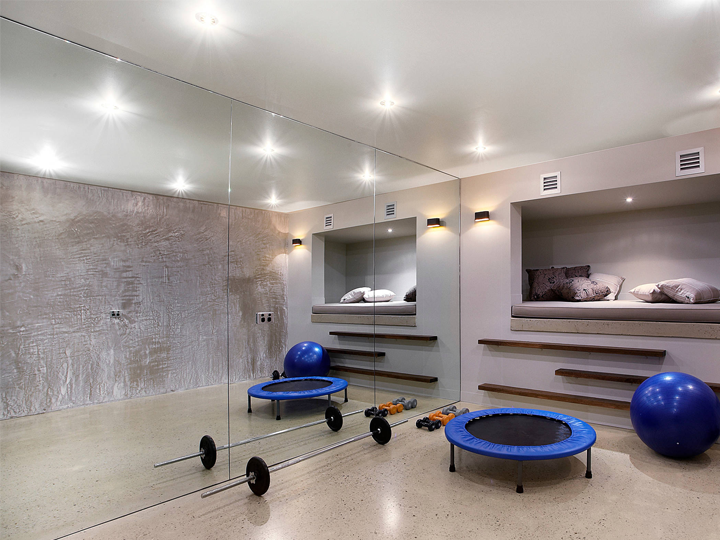
Despite these advantages, the material’s physical nature must be considered. Acrylic is still a thermoplastic. Temperature changes, humidity, and uneven wall conditions can influence flatness over time. Even a small localized deformation may become highly noticeable because mirrors amplify visual irregularities. In a gym setting where large uninterrupted mirrored walls are common, this limitation deserves careful planning.
Dance studios rely on mirrors as an essential teaching tool. Movement in ballet, contemporary dance, hip-hop, and other styles depends on precision, symmetry, and fluidity. A dancer studies posture, arm lines, foot placement, and timing through constant visual monitoring. An acrylic mirror acts almost like a silent instructor, providing continuous visual guidance.
The lightweight property of acrylic mirror sheets is particularly useful in dance facilities located in commercial buildings or renovated spaces where heavy glass panels would impose structural constraints. Installation can be faster and less labor-intensive. In environments where energetic choreography increases the possibility of accidental contact, the impact resistance of acrylic mirror panels contributes to safety.
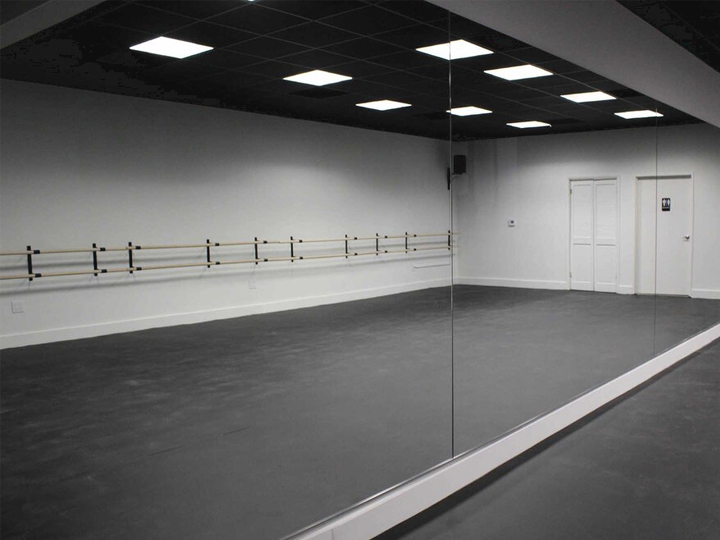
Lighting quality in a dance studio influences mood and performance. PMMA mirror surfaces reflect light evenly, creating a balanced brightness that helps dancers see details clearly. The gentle reflection can soften intense lighting setups used during rehearsals or recordings. This characteristic supports long practice sessions without causing excessive eye strain.
The aesthetic dimension also matters. Dance is visual art, and the surrounding space shapes creative expression. A carefully installed acrylic mirror wall can enhance the sense of depth and elegance in a studio, giving performers the impression of a larger stage. Yet visual perfection depends heavily on flatness. Acrylic sheets, when installed over large spans without adequate support, may develop slight waves or distortions. In a dance environment, where symmetry and straight lines are constantly evaluated, even minimal warping becomes distracting.
Although acrylic mirror panels offer numerous advantages, they are not universally suitable for extensive wall coverage without technical consideration. As a plastic-based material, PMMA responds more sensitively to environmental changes than glass. Prolonged exposure to temperature fluctuations can cause expansion and contraction. If the supporting wall surface is uneven or if adhesives are applied inconsistently, stress points may develop.
Mirror surfaces magnify imperfections. A single small deformation in a broad mirrored wall can distort reflections across a wide visual field. In fitness centers or dance halls where users frequently observe their full-body image, this distortion can appear exaggerated and aesthetically unappealing. What seems like a minor ripple in the material may translate into curved lines or uneven body outlines in reflection.
Another factor involves long-term structural stability. Large acrylic sheets require proper backing, expansion gaps, and balanced fixing methods. Direct bonding to walls without accommodating thermal movement can increase the risk of bending. Once deformation occurs, correction is often difficult without replacing the affected panel. This reality does not negate the value of acrylic mirror, yet it highlights the importance of thoughtful design rather than indiscriminate large-scale application.
When considering acrylic mirror installation in gyms or dance studios, moderation and technical planning lead to better results. Instead of covering an entire wall with a single oversized panel, dividing the area into modular sections can help reduce stress concentration and limit visible distortion. Proper substructure preparation ensures that the wall surface is level and stable before mounting.
Controlling environmental conditions also plays a role. Stable indoor temperatures and controlled humidity minimize expansion-related issues. Selecting high-quality acrylic mirror sheets with adequate thickness improves rigidity and flatness. Professional installation teams should leave slight expansion allowances and use compatible adhesives designed for PMMA materials.
In high-impact zones such as weightlifting corners, acrylic mirror panels offer clear safety advantages over glass. In dance studios where aesthetic precision is paramount, combining acrylic mirror with supportive framing systems can maintain visual quality. Some facilities choose to use acrylic mirror in selected sections rather than across the entire perimeter, balancing safety with optical performance.
Maintenance contributes to longevity. Gentle cleaning agents suitable for acrylic surfaces prevent scratching and maintain clarity. Regular inspections allow early detection of minor warping before it becomes visually disruptive. With appropriate design decisions and installation standards, acrylic mirror can serve as a reliable and attractive solution in active training environments.
The effectiveness of an acrylic mirror in gyms and dance halls depends on understanding both its strengths and its limitations. Lightweight construction, impact resistance, and comfortable reflective quality make PMMA mirror panels a practical option for spaces that prioritize safety and adaptability. At the same time, awareness of potential deformation in large continuous applications ensures realistic expectations and better architectural outcomes.
Well-planned installations enhance movement training, support posture correction, and visually enlarge interior spaces. Thoughtful material selection, careful mounting techniques, and balanced area coverage help maintain a clean and professional appearance over time. When integrated with structural awareness and design sensitivity, acrylic mirror solutions can contribute meaningfully to fitness and dance environments, providing functional support while preserving visual harmony.


