

Views: 0 Author: Site Editor Publish Time: 2026-01-22 Origin: Site


Acrylic sheets are widely used across signage, construction, interior decoration, and retail display because they offer excellent clarity, strength, and design flexibility. Many buyers and installers still ask a practical question before using them in real projects: can acrylic sheets get wet? The short answer is yes, acrylic plastic sheets can get wet, and in most cases water will not damage them immediately. The more important questions are what kind of water exposure is involved, how long it lasts, and whether the sheets are installed and maintained correctly. Understanding these details helps avoid performance problems and extends the service life of both clear acrylic sheets and specialty products like acrylic mirror sheet and colored acrylic sheets.

Acrylic, also known as PMMA, is a non-porous plastic material. Unlike wood or certain composite boards, it does not absorb water into its structure. This is why plexiglass acrylic sheets are commonly used in aquariums, bathroom panels, outdoor signage, and protective barriers. When water contacts the surface of acrylic sheets, it stays on the surface rather than soaking in.

Clear acrylic sheets maintain their transparency after getting wet, and normal rain, cleaning, or condensation will not cause swelling or deformation. This makes acrylic sheet 8×4 panels suitable for both indoor and outdoor commercial installations where occasional moisture is unavoidable. Even after repeated exposure to water, properly manufactured acrylic plastic sheets remain dimensionally stable.
This water resistance is one of the reasons acrylic is preferred over materials like MDF or untreated plywood in humid environments. However, water resistance does not mean acrylic is immune to all moisture-related problems, especially when combined with heat, chemicals, or poor installation methods.
While acrylic sheets themselves do not absorb water, moisture can still create indirect issues. The most common problem comes from water getting trapped between the sheet and the mounting surface. When clear acrylic sheets are installed on walls or frames without proper ventilation, condensation can build up behind the panel. Over time, this trapped moisture may lead to mold on the substrate, corrosion on metal frames, or staining that becomes visible through the transparent sheet.
In the case of acrylic mirror sheet, moisture plays a more critical role. Acrylic mirrors rely on a reflective coating applied to the back of the sheet. If water penetrates through unsealed edges or damaged protective layers, it can slowly attack the mirror backing. This may cause dark spots, peeling, or reduced reflectivity, especially in bathrooms, gyms, or coastal areas with high humidity.
Colored acrylic sheets are generally less sensitive to visual defects caused by moisture, but long-term exposure in outdoor conditions can still affect surface appearance when combined with dirt, pollutants, or UV radiation. Moisture by itself is not the main enemy, but it can accelerate other aging processes.

In short-term contact with water, such as rain, cleaning, or accidental spills, acrylic sheets perform very well. After drying, they return to their normal appearance without warping or loss of strength. This is why plexiglass acrylic sheets are often selected for menu boards, window glazing, sneeze guards, and protective covers in food service and retail environments.
In long-term humid environments, behavior depends more on installation quality than on the acrylic itself. If air can circulate behind the panel and edges are properly sealed, acrylic sheets can last for many years without problems. If moisture becomes trapped, visual defects may develop even though the plastic sheet remains structurally intact.
For outdoor signage using acrylic sheet 8×4 formats, rainwater typically flows off the surface easily. Problems usually occur when water accumulates in mounting channels, screw holes, or edge seams. Over time, these areas become entry points for dirt and pollutants, which can stain the surface or weaken adhesive bonds.
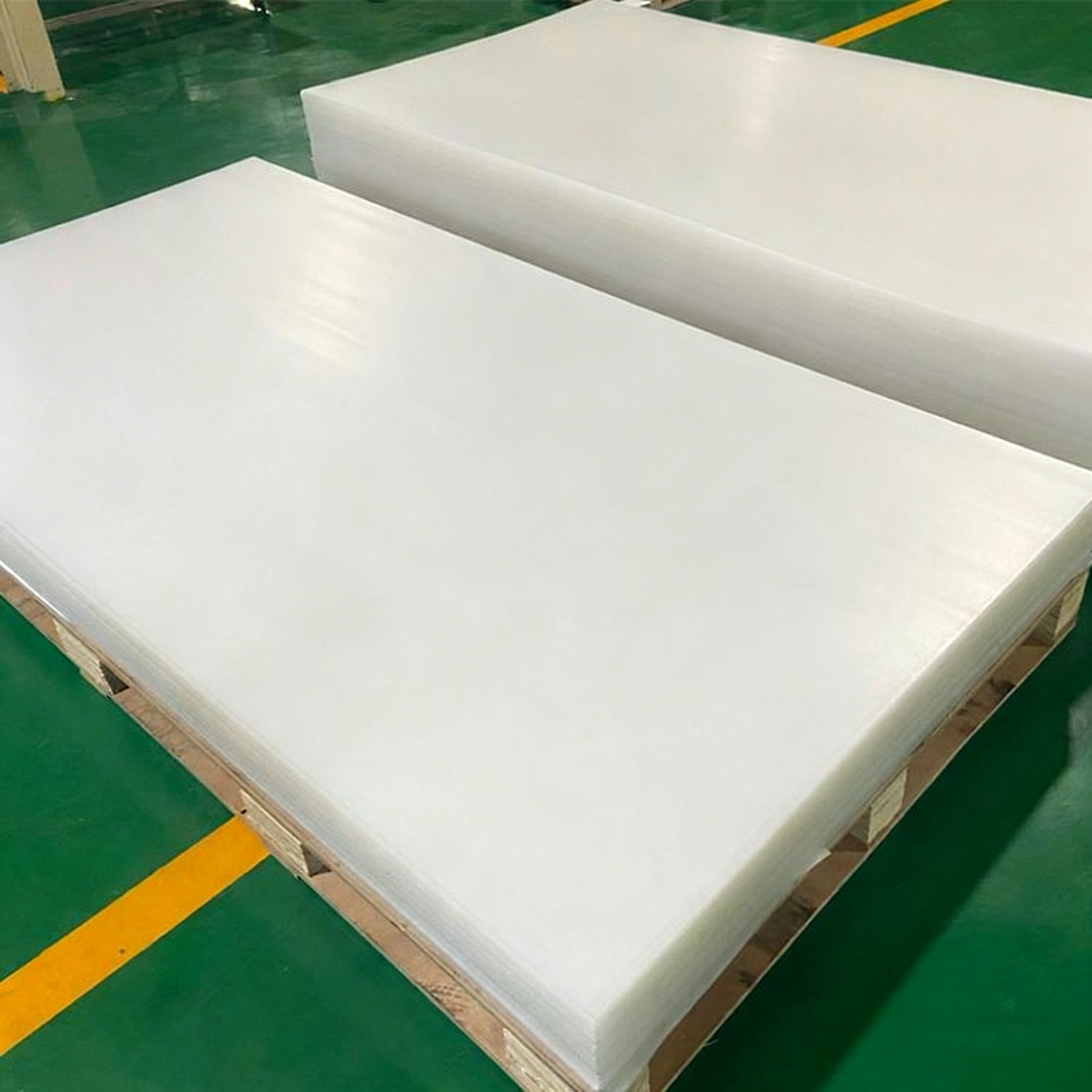
If acrylic sheets remain continuously wet, such as in poorly drained installations or flooded areas, the material itself will not rot or delaminate. However, several secondary effects may appear. Water can leave mineral deposits that form visible streaks or spots on clear acrylic sheets. These deposits are especially noticeable on transparent surfaces used for displays or partitions.
In acrylic mirror sheet products, prolonged moisture exposure can shorten the lifespan of the reflective layer if the protective paint coating is compromised. Once the backing is damaged, the mirror effect cannot be restored, and the panel usually needs replacement.
Another concern involves adhesives and tapes used during installation. Many mounting systems rely on pressure-sensitive adhesives that weaken when exposed to moisture for extended periods. Even though the acrylic plastic sheets remain intact, the bond to the wall or frame may fail, creating safety risks in commercial environments.
In retail store window displays, clear acrylic sheets are often used to create transparent product stands and protective barriers. These installations are frequently cleaned with water-based solutions. When edges are polished and mounting points are properly sealed, the panels maintain clarity for years without clouding or staining.

In fitness centers and dance studios, acrylic mirror sheet is widely used as a lightweight alternative to glass mirrors. Facilities with good ventilation typically experience no issues. In poorly ventilated rooms, moisture from sweat and cleaning can gradually reach the mirror backing through unsealed edges, leading to black spots near the corners after long-term use.
Outdoor advertising boards using colored acrylic sheets perform well in rain, but signage that is mounted directly against solid walls without airflow often shows faster surface aging. The issue is not water absorption, but heat and moisture trapped together, which accelerates surface wear and dirt buildup.

Proper cleaning and maintenance play a major role in keeping acrylic sheets looking new after water exposure. When water dries on the surface, it is best to wipe it off with a soft microfiber cloth to prevent mineral spots. Mild soap and clean water are usually sufficient for routine cleaning of plexiglass acrylic sheets.
Avoid using alcohol, ammonia, or abrasive cleaners, as these can damage the surface and create micro-scratches that trap moisture and dirt more easily. For acrylic mirror sheet, only gentle cleaning methods should be used on both the front surface and around the edges to avoid damaging the reflective backing.
If acrylic sheets are installed outdoors, regular inspection of mounting points and seals helps prevent long-term moisture problems. Replacing worn gaskets or resealing edges can significantly extend the service life of acrylic plastic sheets in harsh environments.
Prevention begins with choosing the right material and correct installation design. When selecting clear acrylic sheets or acrylic sheet 8×4 panels for humid or outdoor areas, thickness and edge finishing matter. Thicker sheets resist bending that can open gaps at mounting points, reducing water entry behind the panel.
Edge sealing is especially important for acrylic mirror sheet products. Applying protective edge tape or sealant can block moisture from reaching the reflective layer. This simple step greatly improves durability in bathrooms, gyms, and coastal regions.
Ventilation space behind panels is another key factor. Leaving small air gaps allows moisture to evaporate instead of becoming trapped. This approach is widely used in professional signage and architectural cladding systems using colored acrylic sheets.
Using moisture-resistant adhesives and mechanical fasteners also reduces long-term risks. When adhesives are rated for outdoor or wet environments, they maintain bond strength even after repeated water exposure, keeping acrylic sheets safely in place.
Not all acrylic sheets are manufactured to the same standards. High-quality acrylic plastic sheets with uniform polymer structure and proper protective coatings perform better in wet and outdoor environments. For commercial projects, selecting materials designed for signage, glazing, or mirror applications ensures better long-term stability.
Clear acrylic sheets with UV resistance maintain transparency longer when exposed to rain and sunlight together. Colored acrylic sheets formulated for outdoor signage resist fading and surface degradation better than indoor-grade materials. Acrylic mirror sheet intended for fitness or decorative use should include strong protective backing coatings to resist humidity.
For buyers sourcing in bulk, consistent quality control is important. Sheets produced with stable coating processes and proper edge finishing reduce the chance of moisture-related failures after installation. This is especially relevant for wholesale buyers and contractors working on large commercial projects.

Acrylic sheets can get wet, and in most real-world situations, water alone does not damage them. Clear acrylic sheets, colored acrylic sheets, and plexiglass acrylic sheets all perform well in environments where rain, cleaning, or humidity is present. The key risks come from trapped moisture, damaged coatings, and poor installation practices rather than from the material itself.
Acrylic mirror sheet requires extra attention because the reflective backing can be affected if moisture reaches unprotected edges. With proper sealing, ventilation, and maintenance, acrylic mirrors remain reliable and visually appealing in demanding commercial spaces.
Understanding how acrylic behaves when exposed to moisture allows designers, installers, and buyers to use acrylic sheet 8×4 panels and other formats with confidence. When material selection, installation design, and maintenance are handled correctly, acrylic plastic sheets continue to deliver durability, clarity, and aesthetic value even in wet or humid environments.


