

Views: 0 Author: Site Editor Publish Time: 2026-01-21 Origin: Site


Clear acrylic is known for its glass-like transparency and clean appearance, which is why it is widely used in mirrors, decorative panels, advertising displays, and interior finishes. Still, many buyers worry that clear materials may slowly turn yellow, especially when used for long periods or exposed to light. This concern is common among customers choosing acrylic mirror products and large mirror acrylic sheet panels for commercial projects. Understanding whether yellowing actually happens, what causes it, and how it affects performance helps buyers make better long-term material decisions.

Yellowing is not unique to acrylic. Many transparent plastics gradually change color due to chemical reactions triggered by ultraviolet light, heat, and oxygen. When polymer chains break down, they can form compounds that absorb blue light, making the material appear yellow. Low-grade plastics often show this effect within a short time, especially outdoors or near strong artificial lighting.
Acrylic, also known as PMMA, is different from many common plastics because its molecular structure is naturally resistant to UV-related degradation. High-quality acrylic mirror and clear sheet materials are designed to remain stable under long-term light exposure. That is why acrylic has been used for decades in architectural glazing, museum displays, and illuminated signage where color stability is critical.

However, not all acrylic products are produced to the same standard. Raw material purity, manufacturing process, and surface coating all influence how well the sheet resists aging. When yellowing does occur, it is often linked to low-grade materials or improper protective layers rather than acrylic itself as a material.
In normal indoor environments, clear acrylic typically maintains its transparency for many years. Acrylic mirrors sheets used in retail displays, gyms, hotels, and offices usually show no visible yellowing even after long service periods. Lighting from LEDs or fluorescent lamps does not significantly affect color stability when quality materials are used.
Outdoor exposure is more demanding, but UV-stabilized acrylic still performs well compared with many plastics. Over long periods, slight changes in clarity may appear, but strong yellow discoloration is uncommon with properly manufactured products. Large installations using acrylic mirror sheet 4×8 formats for decorative walls or exterior features generally maintain their reflective quality when they are designed for outdoor conditions.
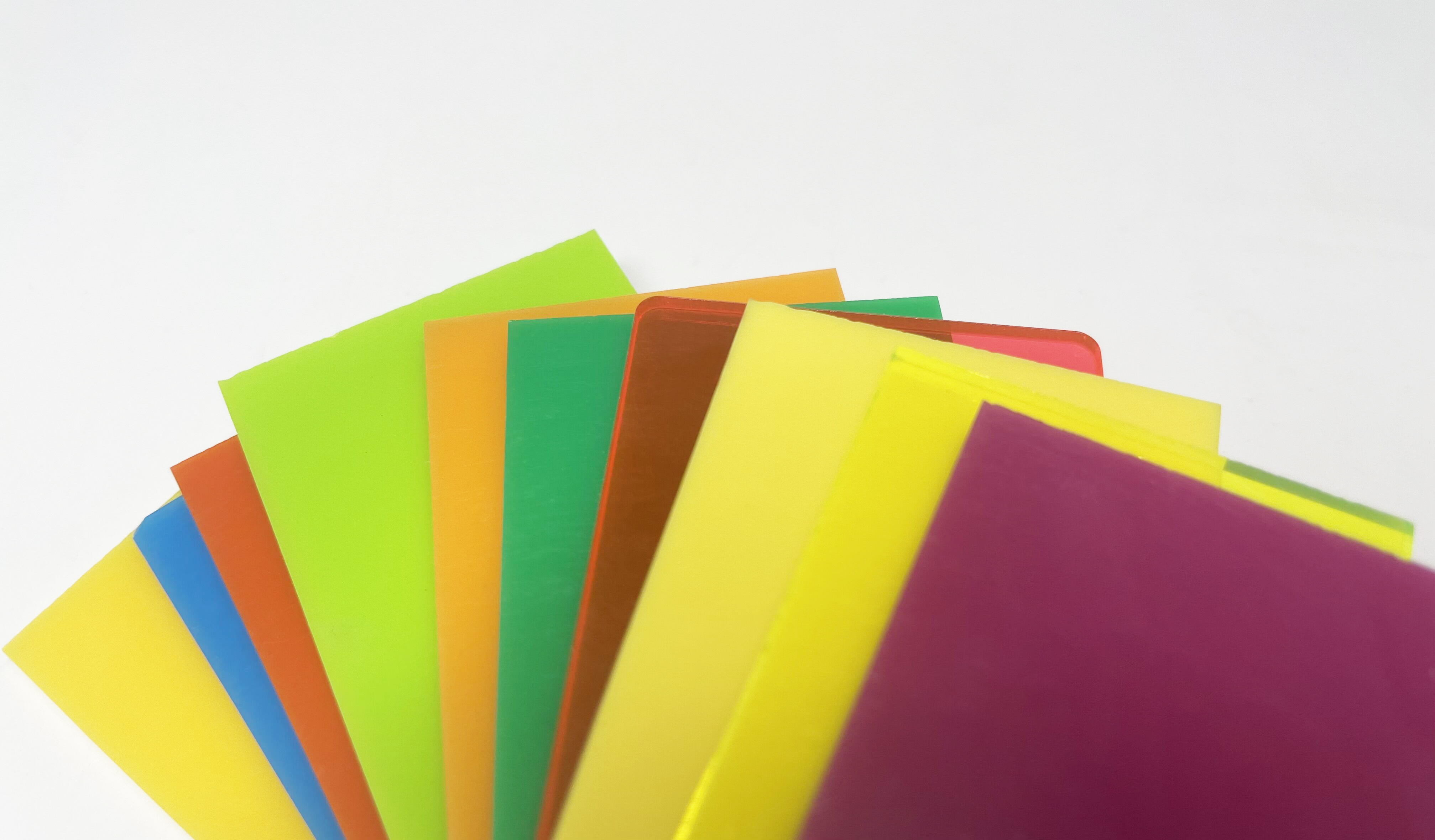
When noticeable yellowing appears within a short time, it is usually related to inferior material formulations, recycled raw content, or surface films that degrade under sunlight. In these cases, the discoloration may not be within the acrylic body itself but in protective layers or adhesives applied to the surface.
Acrylic mirrors are made by applying a reflective coating to one side of a clear acrylic sheet, followed by protective backing layers. The base material is still clear acrylic, so its resistance to yellowing is similar to that of standard clear sheets. What changes is that the reflective coating and backing layers can influence how aging appears.

If backing paints or protective films are not UV-resistant, they may darken or discolor over time, which can visually affect the mirror surface. This does not mean the acrylic itself has turned yellow, but the overall appearance may shift slightly. For interior decorative use, this effect is rarely noticeable. For outdoor mirror acrylic sheet applications, protective coatings designed for exterior use are important to preserve both reflectivity and color stability.

High-quality acrylic mirror products are designed so that both the reflective layer and the protective backing resist moisture and UV exposure. This ensures that large panels, including acrylic mirror sheet 4×8 sizes used for commercial projects, maintain consistent appearance across the entire surface.
Light exposure remains the most important factor in color stability. Continuous direct sunlight increases aging speed, even for UV-resistant materials. Temperature also plays a role, since higher heat accelerates chemical reactions that contribute to material aging.
Air pollution and chemical vapors can affect surface coatings over time, particularly in industrial areas. In kitchens, salons, or workshops where cleaning agents and aerosols are frequently used, surface layers may degrade faster if not properly protected. This can make acrylic mirrors sheets appear dull or slightly tinted even if the acrylic core remains stable.
Humidity itself does not directly cause yellowing in acrylic, but moisture can affect backing layers on mirror products if edges are not sealed or if water reaches the reflective coating. Over time, this can lead to visual changes that may be mistaken for material discoloration.
From a functional perspective, slight color changes rarely affect structural performance. Acrylic retains its impact resistance and strength even after long exposure. The main concern is visual quality, especially in decorative and display applications where clarity and reflection are essential.
In retail displays and architectural interiors, even minor yellow tones can reduce perceived product quality. For advertising and branding environments, accurate color reflection and bright surfaces are important for visual impact. That is why buyers often prioritize high-grade acrylic mirror materials even when lower-cost alternatives are available.

For safety barriers, protective screens, and industrial partitions, optical clarity may be less critical, but overall durability and resistance to cracking remain important. In these uses, acrylic’s long-term stability continues to be a major advantage compared with many transparent plastics that become brittle or cloudy over time.
Material selection is the most effective way to prevent yellowing. Choosing acrylic mirror and mirror acrylic sheet products made from virgin PMMA with UV-stabilized formulations significantly reduces the risk of discoloration. Manufacturing processes that ensure uniform coating and proper curing also improve long-term performance.
Proper installation helps protect the reflective layers in mirror products. Allowing space for thermal expansion, sealing exposed edges, and avoiding direct contact with reactive metals reduce the chance of moisture intrusion and chemical interaction.
Cleaning methods matter more than many users realize. Harsh solvents, ammonia-based cleaners, and abrasive cloths can damage surface coatings, making them more vulnerable to environmental aging. Using mild soap solutions and soft microfiber cloths preserves both the acrylic surface and the mirror backing layers.
In outdoor or high-light environments, choosing sheets with additional UV-protective coatings further slows aging. For large installations using acrylic mirror sheet 4×8 panels, protective surface films designed for exterior use can provide extra defense against sunlight and airborne contaminants.
For commercial buyers, consistency across batches is critical. If panels installed side by side age at different rates, visual differences become noticeable even when overall discoloration is minor. Reliable suppliers maintain strict control over raw materials and coating processes to ensure that acrylic mirrors sheets remain uniform in both clarity and reflectivity.

Thickness consistency also influences durability. Uneven thickness can create stress points that lead to micro-cracks, which may accelerate surface degradation and make discoloration more noticeable over time. For architectural and display installations, stable sheet quality reduces maintenance and replacement costs across the life of the project.
In real-world use, clear acrylic does not typically yellow in a way that significantly affects appearance, especially in indoor environments. Acrylic mirror products used for walls, ceilings, and decorative features are chosen specifically because they maintain brightness and reflection for many years. When high-quality materials are selected and basic care guidelines are followed, noticeable discoloration is unlikely within normal service life.
Outdoor applications place higher demands on any clear material, but UV-stabilized acrylic mirror sheet 4×8 panels still provide reliable long-term performance compared with many alternatives. Slight changes in surface gloss may appear before any meaningful color shift occurs, and these changes often relate more to surface wear than to chemical yellowing.
Understanding the difference between material aging and surface contamination also helps avoid unnecessary replacement. In many cases, professional cleaning or surface restoration can recover much of the original appearance without replacing the entire panel.
Choosing acrylic for mirror and decorative applications remains a practical decision for buyers who need a balance of clarity, impact resistance, and weight reduction compared with glass. The risk of yellowing is low when products are manufactured to proper standards and used in suitable environments.
For projects where appearance is critical, focusing on product grade, protective coatings, and installation quality delivers far better long-term results than simply selecting based on price. With correct material selection and reasonable maintenance, acrylic mirror and mirror acrylic sheet products can maintain their clean, reflective look throughout extended service periods, meeting both functional and visual expectations in commercial and architectural settings.


