

Views: 0 Author: Site Editor Publish Time: 2026-01-21 Origin: Site


Acrylic sheets are widely used in signage, displays, protective barriers, windows, and decorative projects because they balance clarity, strength, and long-term stability. Buyers often ask how long acrylic sheets really last in daily use, especially when choosing between clear acrylic sheets, standard glass, or other plastics. The practical answer depends on environment, installation, sheet thickness, and surface treatment, but in normal conditions, quality acrylic can remain functional and visually clear for many years without major degradation. Understanding what affects lifespan helps you choose the right material and reduce replacement costs over time.

In indoor commercial and residential settings, acrylic sheets commonly last ten to twenty years while maintaining good transparency and structural strength. Clear acrylic plexiglass sheet products are engineered to resist yellowing and brittleness, especially when produced with stable raw materials and proper coating processes. In offices, retail stores, museums, and advertising displays, it is common to see plexiglass acrylic sheets that remain in service well beyond a decade with only minor surface wear.
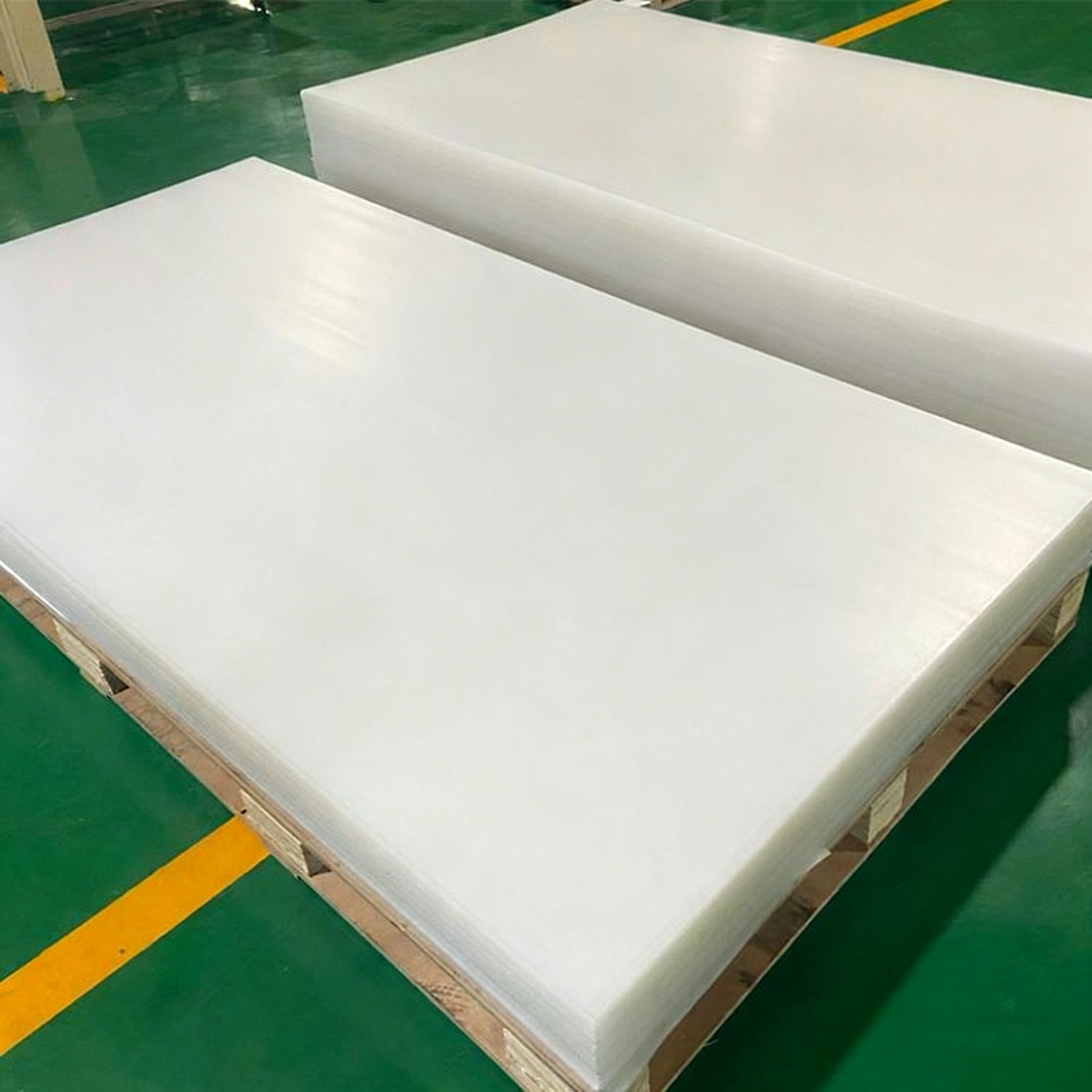
Outdoor use places higher demands on the material because of ultraviolet radiation, temperature changes, wind, and pollution. UV-stabilized clear acrylic sheets typically perform reliably for eight to fifteen years outdoors, depending on sun exposure and climate. In moderate climates with proper installation and cleaning, panels can exceed that range. Thicker formats such as acrylic sheet 8×4 or 4×8 acrylic sheet panels used for signage or protective glazing tend to hold shape better over time because they resist flexing and edge stress.
What shortens lifespan most is not gradual aging but physical damage, improper cleaning, and unsuitable mounting methods. Acrylic does not rust, and it does not suffer from moisture absorption like wood-based panels, so environmental moisture alone is rarely a problem when the sheet is correctly installed.
Sheet size and thickness influence how acrylic performs in real projects. Large panels such as a 4×8 acrylic sheet are often used for partitions, wall-mounted signs, and storefront protection. These applications require rigidity and stable edges to avoid cracking at screw points or bending under their own weight. Thicker sheets distribute stress more evenly, which reduces the risk of micro-cracks that can slowly expand over time.

Clear acrylic plexiglass sheet products with higher thickness also tolerate repeated cleaning and light impact better, which is important in public areas where surfaces are touched frequently. For shelving, covers, and tabletop protection, thinner acrylic sheets can still last many years, but they may show surface marks sooner if not handled carefully. Choosing thickness based on both load and handling frequency is a practical way to extend useful life without unnecessary cost.
Acrylic does not require complicated maintenance, but periodic care directly affects how long it looks good. In most commercial environments, light cleaning once or twice a month is enough to remove dust and fingerprints. In high-traffic areas such as retail counters or food service barriers, weekly cleaning helps prevent buildup that can cause fine scratches when wiped.
Replacement is usually driven by surface appearance rather than structural failure. Over time, small scratches can reduce optical clarity, especially on clear acrylic sheets used for displays or protective windows. Professional polishing can restore transparency in many cases, extending service life instead of replacing the panel. For large installations, polishing every few years can be more cost-effective than full replacement, particularly when working with oversized acrylic sheet 8×4 panels.

Cracks around fasteners or edges indicate that stress relief gaps were insufficient during installation. Once cracking begins, replacement is often the safest option, especially for protective barriers. Proper installation from the beginning reduces the chance of early failure and extends maintenance intervals.
Although acrylic performs well in many conditions, certain environments reduce its lifespan significantly. High-temperature industrial areas near furnaces, welding stations, or strong heat sources can cause softening or warping. In these settings, polycarbonate or metal panels may be more suitable.
Chemical exposure is another risk. Solvents, strong cleaners, and industrial fumes can damage the surface and create internal stress cracks. Workshops that use aggressive chemicals should avoid standard plexiglass acrylic sheets unless protective coatings are applied.
Continuous mechanical abrasion, such as conveyor systems or sliding contact with hard materials, will also shorten service life. Acrylic is impact-resistant compared to glass, but it is still softer than many industrial plastics. For these uses, protective films or alternative materials should be considered.
Understanding these limits prevents unrealistic expectations and helps match material choice to real operating conditions.
Cleaning habits play a major role in how long acrylic stays clear. Dry wiping should be avoided because dust particles can act like fine sandpaper. Using water with mild soap and a soft microfiber cloth prevents surface damage. Ammonia-based glass cleaners are not recommended for clear acrylic plexiglass sheet products because they can cause clouding and long-term stress marks.
For stubborn marks, specialized acrylic cleaners are effective without attacking the surface. When panels are used in food service or medical environments, approved non-alcohol disinfectants designed for plastics maintain hygiene without reducing lifespan. This simple care routine keeps plexiglass acrylic sheets visually clear and structurally stable for many years.
Correct installation reduces internal stress that can lead to cracking. Acrylic expands and contracts slightly with temperature changes, so mounting holes should always allow for movement. Tight screws and rigid frames that do not account for expansion often create pressure points that appear months or years later as edge cracks.
When installing large clear acrylic sheets or 4×8 acrylic sheet panels, support along the full edge prevents sagging. Unsupported spans may slowly deform, especially in warm environments. Using rubber gaskets or soft spacers between acrylic and metal frames also reduces vibration damage in commercial settings.
Edge finishing is another factor. Polished or properly trimmed edges are less likely to develop stress cracks compared to rough-cut edges, especially in thicker sheets. For long-term architectural or display use, professional cutting and finishing improve durability more than many buyers expect.
Indoor acrylic ages mainly through handling and cleaning, while outdoor acrylic faces environmental stress. UV exposure gradually reduces surface gloss and can cause slight yellowing over many years, even in UV-stabilized clear acrylic sheets. Pollution and dust can also create micro-abrasion during wind-driven contact.
Regular rinsing of outdoor panels removes particles that might scratch the surface during rain or cleaning. In signage applications using acrylic sheet 8×4 formats, protective surface coatings can further slow aging and reduce maintenance needs. While outdoor lifespan is typically shorter than indoor use, well-installed panels still deliver many years of reliable service without structural problems.
When evaluating lifespan, cost per year of use is often more important than the initial price. Acrylic lasts much longer than many lower-cost plastics that become brittle or discolored within a few years. Compared with glass, acrylic offers impact resistance and lighter weight, reducing breakage and installation risk.
For commercial buyers who use plexiglass acrylic sheets in bulk for displays, partitions, or protective covers, the extended replacement cycle helps control long-term operating costs. Even when occasional polishing or replacement is needed, the overall expense remains predictable and manageable across large installations.
Not all acrylic sheets are produced to the same standards. Raw material purity, coating processes, and manufacturing controls all affect how long the sheet remains clear and crack-free. High-quality clear acrylic plexiglass sheet products maintain better optical clarity and resist surface defects that can grow into structural issues.
Consistency in thickness is also important for large panels. Uneven thickness can cause stress concentration during installation, which may shorten service life. When selecting acrylic sheet 8×4 or 4×8 acrylic sheet products for commercial projects, consistent quality reduces installation problems and extends usable years.

In normal indoor environments with proper installation and cleaning, acrylic sheets commonly deliver well over a decade of reliable use, and many installations remain in service for much longer. Outdoor applications usually provide several years of clear visibility and structural stability, especially when UV-stabilized materials and correct mounting methods are used.
Maintenance is simple, and replacement is typically driven by visual standards rather than safety concerns. Avoiding harsh chemicals, excessive heat, and continuous abrasion preserves both appearance and strength. When these factors are managed, plexiglass acrylic sheets remain one of the most dependable and versatile sheet materials for commercial and architectural use.
For buyers planning long-term projects, acrylic offers a stable balance between durability, cost control, and ease of maintenance. Understanding where it performs best and how to care for it ensures that clear acrylic sheets continue to deliver value long after installation, whether they are used as small protective panels or full-size acrylic sheet 8×4 displays in demanding commercial environments.


