

Views: 0 Author: Site Editor Publish Time: 2025-10-17 Origin: Site


Acrylic mirrors are valued across commercial interiors, retail displays, and decorative wall applications for their light weight, clear reflection, and enhanced impact resistance compared with traditional glass. An acrylic mirror sheet can significantly reduce safety risks while offering flexible design possibilities. However, like all thermoplastic materials, acrylic mirrors respond to temperature, stress, and handling methods. Warping or surface scratching is not a material defect in most cases but a result of improper production choices, transport conditions, cutting techniques, or installation environments.
At Likebond, Likebond focuses on manufacturing stable, high-clarity acrylic mirrors for long-term use. By understanding how acrylic mirror sheets behave from production to installation, buyers and installers can avoid common problems and maintain a flawless appearance for years.
The long-term flatness of acrylic mirrors begins with the quality of the raw acrylic sheet and reflective coating. Acrylic mirror panels are typically produced from PMMA substrates, but differences in resin purity, extrusion control, and coating uniformity directly influence thermal stability. Lower-grade acrylic mirror sheets may appear similar at first glance but often show internal stress that leads to gradual deformation after installation.
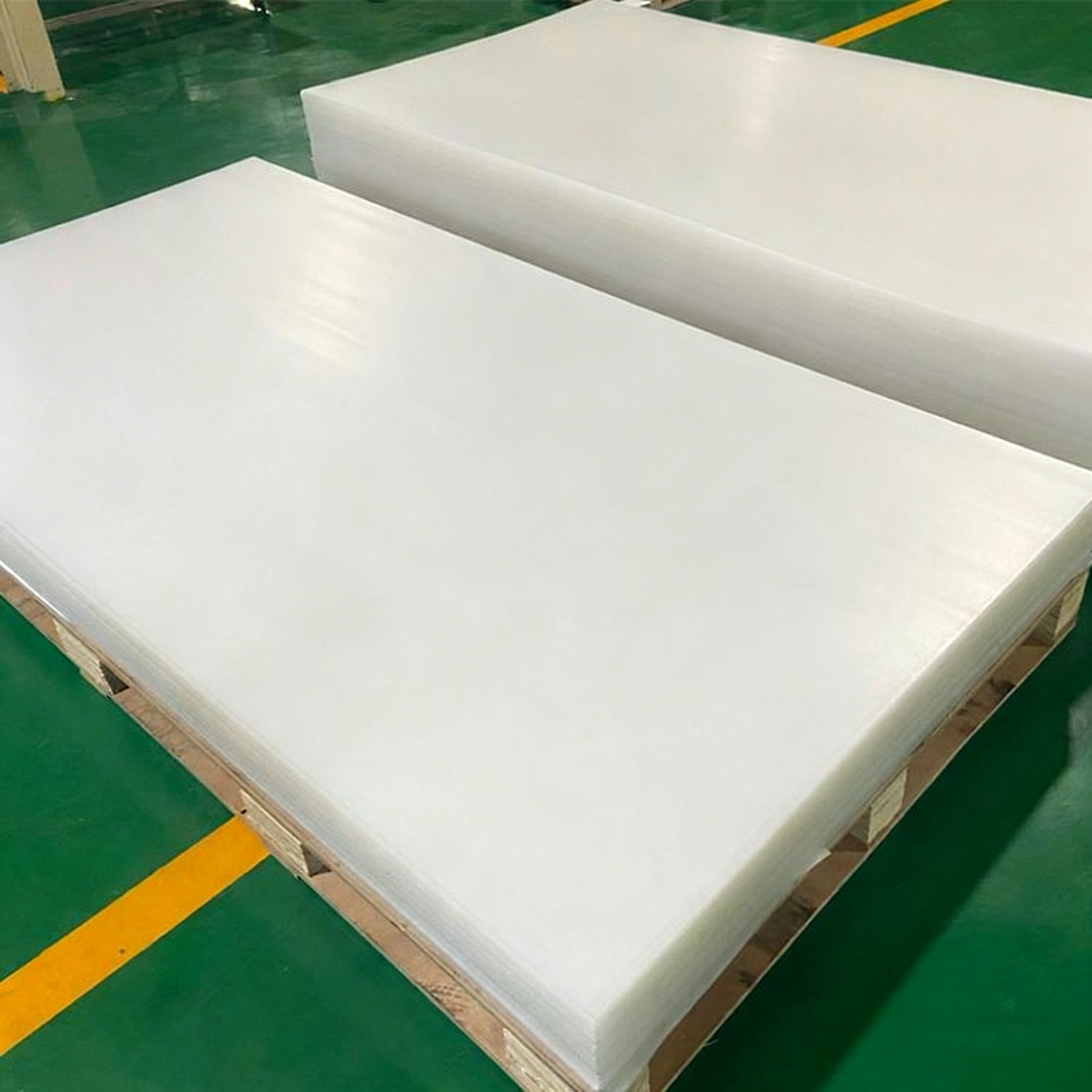
Likebond uses carefully selected PMMA materials combined with controlled extrusion parameters to maintain consistent thickness and internal balance. The reflective layer is applied through vacuum metallization, ensuring even adhesion across the entire surface. This reduces the likelihood of tension buildup, which is one of the main causes of warping in acrylic mirrors for wall applications.
Choosing an experienced acrylic mirror manufacturer also means access to technical guidance. Stable production processes, documented tolerances, and consistent batch quality all contribute to mirrors that remain flat under normal indoor temperature changes.

Although acrylic mirrors are far lighter than glass, their flexibility means they are more sensitive to point pressure during shipping. Improper stacking or insufficient surface protection can introduce micro-bends or scratches long before installation begins. Transport damage is one of the most overlooked reasons for acrylic mirror sheet defects.
At Likebond, each acrylic mirror sheet is protected with surface masking and wrapped in kraft paper to reduce friction. Sheets are stacked on flat pallets and secured inside reinforced wooden crates, preventing movement during long-distance shipping. This approach protects both the reflective coating and the sheet geometry.
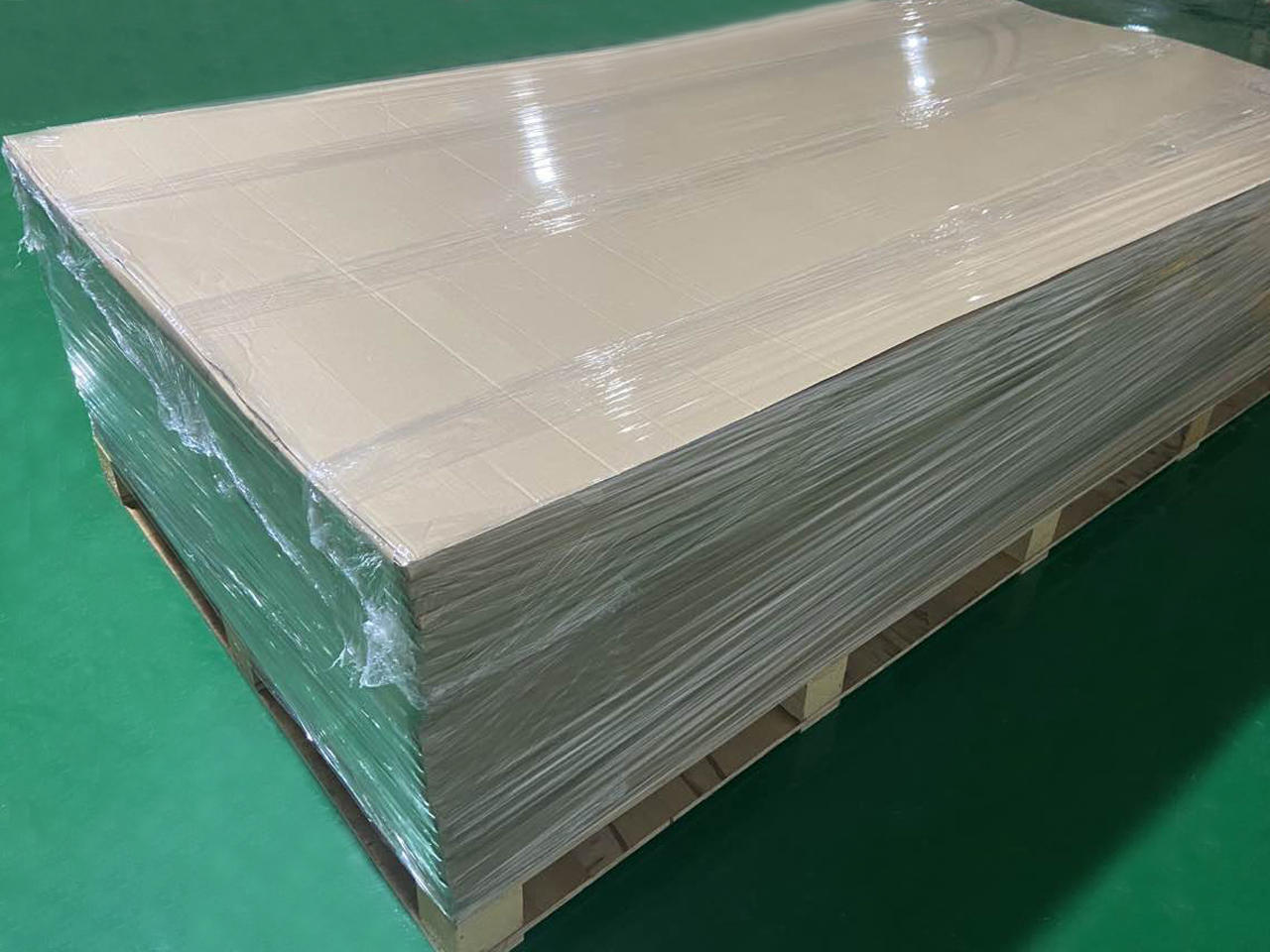
For buyers storing acrylic mirrors on-site, panels should always be kept horizontally on flat surfaces or vertically with full support. Uneven leaning against walls for extended periods can introduce stress that later appears as warping.

Cutting technique plays a major role in whether acrylic mirrors maintain their original shape. Many users searching for how to cut acrylic mirror underestimate the impact of heat and vibration on the sheet. Rough blades, excessive feed speed, or overheating can cause localized stress that affects flatness and edge quality.
Laser cutting is widely regarded as the cleanest option for acrylic mirror sheets when available. It produces smooth edges without mechanical pressure and helps preserve optical clarity near the cut line. CNC routing with appropriate tooling and cooling can also be effective for larger formats.
For manual cutting, fine-tooth saw blades designed for plastics should be used, and cutting should be performed slowly to avoid melting or tension buildup. Protective films should remain in place during cutting to prevent surface scratches. These practices are essential for maintaining the performance of acrylic mirrors intended for wall installation or display use.

Even high-quality acrylic mirrors can deform if installed incorrectly. Acrylic expands and contracts slightly with temperature changes, so rigid mounting without allowance for movement may cause bending over time. Installation surfaces must be flat, dry, and structurally stable.
When mounting an acrylic mirror for wall use, leaving small expansion gaps around the edges helps accommodate environmental changes. Adhesives should be applied in spaced dots rather than continuous layers, allowing air circulation and reducing trapped moisture. For large acrylic mirror sheets, a solid backing board such as PVC foam or MDF can provide additional support.
Areas exposed to strong sunlight, heaters, or air-conditioning outlets should be avoided whenever possible. Uneven heat distribution is a common reason acrylic mirrors gradually lose flatness, especially in commercial interiors with mixed temperature zones.


Acrylic mirrors are more scratch-resistant than many expect, but they require gentler care than glass. Using paper towels, rough cloths, or ammonia-based cleaners can damage the surface over time. Dust particles trapped in abrasive materials are often responsible for fine scratches.
The best maintenance routine involves a soft microfiber cloth and clean water or mild soap. For frequent cleaning in retail or public spaces, anti-static cleaners designed for acrylic surfaces help reduce dust attraction. Minor surface marks can often be polished out using acrylic-specific polishing compounds, extending the usable life of the mirror.
With consistent care, an acrylic mirror sheet can retain high reflectivity and visual clarity for many years without replacement.
At Acrylic-Supplier.com, Likebond approaches acrylic mirrors as engineered materials rather than decorative accessories. From material selection to coating control, packaging, and application guidance, every step is designed to support long-term performance.
By combining stable acrylic mirror sheets with proper handling, cutting, and installation practices, users can effectively prevent warping and scratching. Acrylic mirrors for wall applications offer a balance of safety, design flexibility, and durability when supported by reliable manufacturing and informed use.
Choosing the right supplier and understanding how acrylic mirrors behave in real environments ensures that each installation reflects not only visual clarity, but also confidence in material quality and craftsmanship.


