

Views: 0 Author: Site Editor Publish Time: 2026-01-23 Origin: Site


When people see clear acrylic sheets for the first time, the most common question is whether acrylic is closer to a glass sheet or a plastic sheet. The confusion is understandable because acrylic looks like glass, yet it behaves more like plastic in daily use. Knowing the real difference is important when choosing materials for signage, displays, construction panels, or decorative projects, especially when buyers are comparing acrylic sheets with traditional glass and other plastic sheets for strength, safety, cost, and long-term performance.
To answer whether acrylic is like glass or plastic, it helps to look at what acrylic actually is, why it is often chosen over glass, and how it performs differently from other plastic materials in real applications.

Acrylic is technically a type of plastic, made from polymethyl methacrylate, often known as PMMA. In the market, it is commonly sold as acrylic sheets, plexiglass acrylic sheets, or branded under various trade names. From a chemical standpoint, acrylic belongs to the plastic family, not to mineral-based materials like glass.
A glass sheet is produced by melting silica sand and other minerals at extremely high temperatures and then cooling the molten material into rigid panels. This gives glass its hardness, clarity, and resistance to surface scratches, but it also makes glass brittle and heavy. Once broken, glass shatters into sharp pieces that can cause injuries, which is why safety glass is required in many building codes.
A plastic sheet can refer to many different polymers, such as polycarbonate, PVC, PET, or polystyrene. These materials vary widely in strength, flexibility, and optical quality. Some plastics are very tough but not very clear, while others are clear but not very rigid.
Acrylic sits in the middle in terms of appearance and performance. It is manufactured as clear acrylic sheets that offer light transmission very close to glass, often above ninety percent. At the same time, acrylic remains a plastic, which means it can be cut, drilled, thermoformed, and bonded more easily than glass. This combination of clarity and workability is the main reason acrylic is often chosen as a replacement for glass in many commercial and industrial projects.

Although acrylic is plastic by material category, many people compare it directly with glass because both are used for transparent applications. The reason acrylic sheets are frequently preferred over a glass sheet comes down to safety, weight, and installation flexibility.
Acrylic is much lighter than glass of the same thickness. When using large panels, such as an acrylic sheet 8×4 or other 4x8 acrylic sheet formats commonly used in signage and interior decoration, weight becomes a serious factor for transportation, handling, and mounting systems. Lighter panels reduce labor costs and lower the risk of damage during installation.
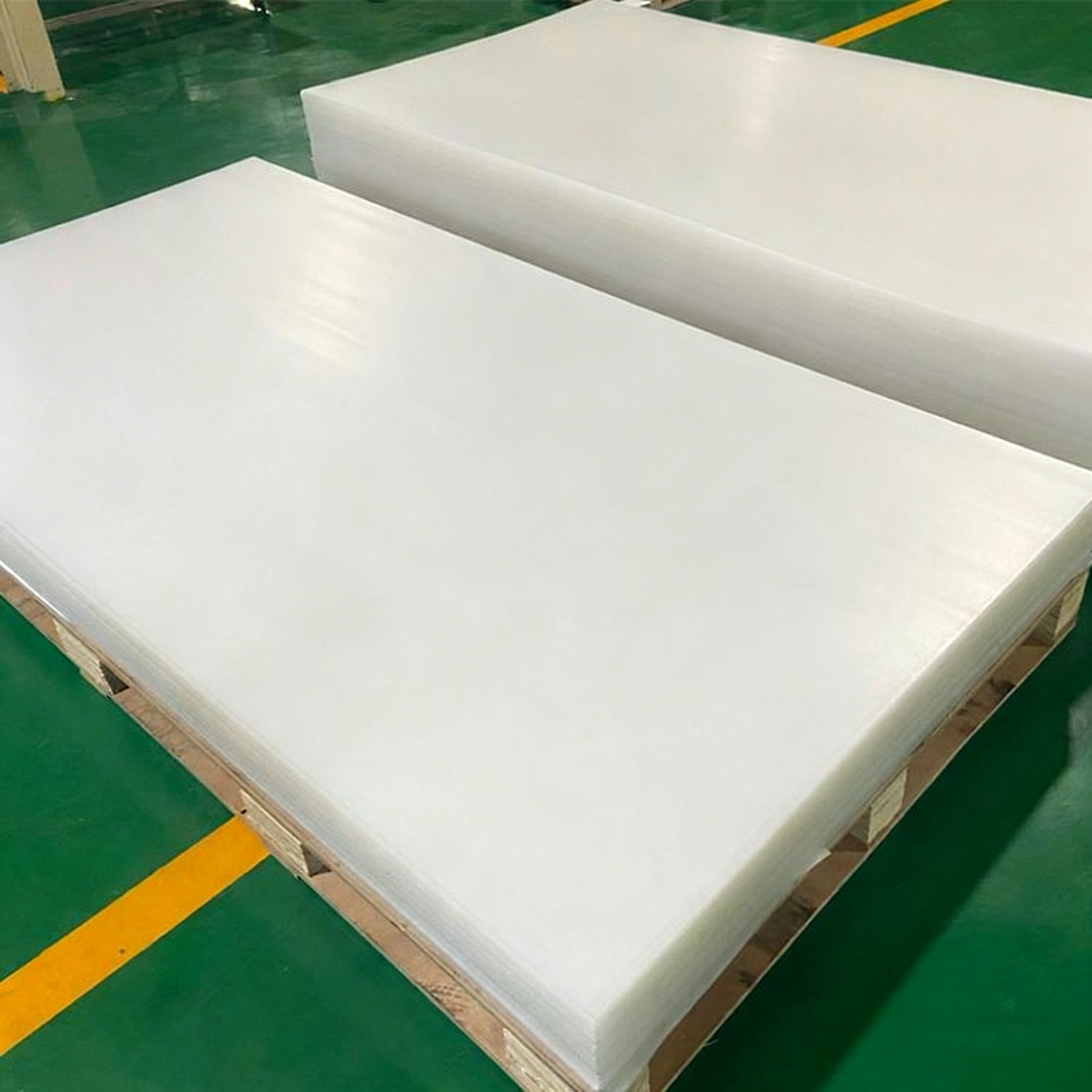
Impact resistance is another key reason. Acrylic does not shatter the way glass does. While it can crack under strong force, it tends to break into larger, blunt-edged pieces rather than sharp fragments. In public spaces, retail displays, and exhibition booths, this added safety is often more important than absolute surface hardness.
Cost considerations also influence material choice. When buyers compare 4x8 acrylic sheet price with tempered glass panels, acrylic is often more economical, especially for custom fabrication and small-batch projects. Glass may require specialized cutting, edge polishing, and safety processing, all of which increase overall project cost beyond the raw material itself.
At the same time, acrylic still provides excellent transparency and visual quality. For store fixtures, protective barriers, display cases, and lighting covers, clear acrylic sheets can achieve a clean, glass-like appearance without the same handling risks associated with real glass.
While acrylic is a plastic sheet, it is not interchangeable with all other plastic materials. Each type of plastic has strengths and limitations, and acrylic is often selected because it balances optical clarity with reasonable durability.
Compared with polycarbonate, which is another common clear plastic sheet, acrylic is more scratch-resistant and has better long-term clarity. Polycarbonate is extremely impact resistant, but it scratches more easily and can yellow over time if not properly UV-stabilized. Acrylic, on the other hand, maintains its transparency and surface appearance longer in outdoor and indoor applications when manufactured with proper UV protection.
Compared with PVC or PET sheets, acrylic offers much higher light transmission and better rigidity. PVC is widely used for construction and advertising boards but is usually opaque or semi-transparent. PET can be clear, but it is more flexible and less suitable for large rigid panels that need to stay flat over time.
This is why in advertising displays, architectural features, and decorative wall panels, acrylic sheets and colored acrylic sheets are often selected when designers want both color consistency and structural stability. Colored acrylic sheets can be produced with uniform pigmentation throughout the material, which means scratches or edge cuts do not reveal a different color underneath, maintaining visual quality in long-term use.

From the user’s perspective, whether acrylic feels more like glass or plastic often depends on how it is used. In some settings, acrylic behaves more like glass, while in others it clearly shows its plastic nature.
In transparent barriers, windows for machinery, or protective covers, acrylic sheets perform a similar function to glass. They provide visibility, resist weather exposure, and keep dust or moisture out of sensitive areas. In these situations, people often treat acrylic as a glass alternative, focusing on clarity and flatness rather than flexibility.
In fabrication workshops and retail installations, acrylic is clearly handled as plastic. It can be cut on standard saws, laser-cut for precise shapes, bent using heat, and bonded with solvent adhesives. These processes are not possible with glass without specialized equipment. For companies producing signage letters, display stands, and point-of-sale units, this processing flexibility is one of the strongest reasons to choose acrylic over glass or rigid plastic alternatives.

Thickness selection also affects perception. Thin acrylic panels may feel flexible and lightweight, reinforcing the idea that acrylic is plastic. Thicker panels, especially large acrylic sheet 8×4 sizes used in partitions or wall panels, feel solid and rigid, closer to the tactile experience of glass while still remaining easier to handle.
In commercial purchasing, material decisions are rarely based on performance alone. Budget planning plays a major role, especially for bulk orders and standardized sizes. Buyers searching for 4x8 acrylic sheet price are often comparing it directly with the cost of glass sheet options in similar dimensions.
Glass pricing varies significantly depending on thickness, tempering, lamination, and edge finishing. Acrylic sheets usually have more stable pricing because they do not require post-processing for safety, and cutting costs are lower. This predictability helps distributors and project managers control budgets more effectively.
For wholesalers and contractors working on advertising displays or interior decoration, acrylic sheets offer a combination of stable supply, consistent quality, and predictable processing costs. These factors are especially important when projects require repeated orders over time, rather than one-time installations.
Another way to understand whether acrylic is closer to glass or plastic is to look at how it behaves over long periods in real environments. Acrylic is resistant to moisture and does not absorb water, which makes it suitable for humid indoor environments and many outdoor applications.
Glass is chemically stable and does not degrade under sunlight, but it can suffer from impact damage and thermal stress. Acrylic, while not as heat-resistant as glass, handles moderate temperature changes well and maintains clarity when UV-stabilized. For outdoor signage, light boxes, and building facades, this balance of weather resistance and durability is often sufficient.

Plastic sheets like PVC may degrade faster under sunlight unless specifically formulated for outdoor use. Acrylic’s reputation for maintaining appearance over time is one of the reasons it is frequently selected for projects where visual quality must remain consistent for years rather than months.
From a strict material science perspective, acrylic is plastic, not glass. However, in everyday construction, advertising, and decoration industries, acrylic occupies a unique position that combines properties of both categories.
It shares visual transparency with glass, making it suitable for applications where appearance matters. At the same time, it shares processing flexibility with plastic, allowing it to be shaped and customized without industrial glass equipment. This hybrid role explains why people often struggle to classify acrylic as purely one or the other.
For buyers sourcing plexiglass acrylic sheets, the decision is rarely about material labels. It is about performance in real projects, installation convenience, safety considerations, and long-term maintenance. Acrylic succeeds because it meets these practical needs more effectively than either glass or many standard plastic sheets in a wide range of applications.
Choosing between acrylic sheets, glass sheet materials, and other plastic sheet options depends on how the material will be used, what kind of visual quality is required, and how much fabrication is involved.
If maximum scratch resistance and heat stability are critical, glass may still be the best option. If extreme impact resistance is needed, polycarbonate may outperform acrylic despite higher cost and lower surface hardness. When clarity, workability, and cost balance are important, acrylic often becomes the preferred solution.
For signage, displays, decorative panels, and protective covers, clear acrylic sheets and colored acrylic sheets provide consistent appearance and manageable installation. For large standardized formats such as acrylic sheet 8×4, acrylic also simplifies logistics for distributors and contractors who rely on repeatable supply chains.

Understanding these differences helps buyers avoid choosing materials based only on surface appearance. While acrylic may look like glass, its behavior during installation and long-term use reflects its plastic nature, offering advantages that are difficult to achieve with glass alone.
So, is acrylic like glass or plastic? In terms of chemistry, it is plastic. In terms of appearance, it resembles glass. In terms of real-world use, it combines features of both while avoiding many of their limitations. This is why acrylic has become a standard material in advertising, construction, interior decoration, and industrial protection.
For companies and buyers comparing materials across multiple projects, acrylic sheets provide a reliable balance between visual quality, safety, and fabrication efficiency. Whether selecting plexiglass acrylic sheets for display cases, evaluating 4x8 acrylic sheet price for bulk signage production, or choosing colored acrylic sheets for branding applications, understanding how acrylic differs from both glass and other plastics leads to better purchasing decisions and more durable results.


