

Views: 0 Author: Site Editor Publish Time: 2026-05-25 Origin: Site


Architects, builders, and contractors face a constant dilemma in modern construction. They must continually balance material weight, safety, light transmission, and project constraints. Specifying the right glazing and panelling for commercial or residential projects demands rigorous evaluation. Heavy, fragile materials often complicate logistics on site. They also elevate safety risks during installation. This is where the Acrylic Sheet (PMMA) emerges as a highly capable alternative. As a high-performance thermoplastic, it readily replaces traditional mineral glass across multiple demanding applications. Our article provides a detailed technical evaluation of acrylic use in building projects. We will assess its core performance criteria and structural boundaries. You will learn how to navigate its physical properties effectively. This guidance helps specifiers make an informed, safe, and highly efficient material selection for their next architectural design.
Performance vs. Glass: Acrylic delivers up to 92% light transmission and roughly 17 times the impact resistance of standard glass, at half the weight.
Primary Applications: Dominates in environments requiring safety glazing, acoustic barriers, skylights, and sterile interior cladding (like kitchen backsplashes).
Sustainability & Compliance: Advanced 100% recycled acrylics (rMMA) and low-VOC emissions can contribute to modern green building certifications.
Key Limitations to Mitigate: Planners must account for thermal expansion, susceptibility to solvent-based chemicals, and local fire code compliance regarding combustibility.
Material weight dictates many fundamental decisions in architectural engineering. Acrylic provides a massive 50% weight reduction compared to standard mineral glass. This characteristic instantly lowers shipping expenses. It also reduces handling risks for workers on the job site. Because the material remains lightweight, you can utilize less robust structural framing. Architects can design slimmer, more elegant support profiles without compromising safety.
Public sectors like schools, hospitals, and transit hubs require incredibly safe materials. Standard mineral glass poses significant shatter risks. Conversely, acrylic boasts an impressive 17x impact absorption metric. It absorbs heavy blows without shattering into dangerous shards. We view this as a primary safety factor. Facility managers experience fewer replacements over time. You also face reduced liability from accidental breakage in high-traffic public areas.
Modern building codes heavily emphasize energy efficiency. An Acrylic panel offers superior thermal insulation compared to standard single-pane glass. This trait helps regulate indoor temperatures effectively. Consequently, facilities can lower their long-term HVAC energy consumption. Furthermore, thick acrylic serves as an excellent acoustic buffer. It efficiently dampens external noise pollution in bustling urban environments.
Specifiers often debate between acrylic and polycarbonate. Polycarbonate certainly holds the advantage in extreme blunt-force strength. However, acrylic dominates in long-term aesthetic performance. It maintains superior UV resistance. Acrylic does not yellow or turn cloudy after prolonged sun exposure. It provides better long-term optical clarity for projects demanding pristine transparency.
| Feature | Acrylic (PMMA) | Mineral Glass | Polycarbonate |
|---|---|---|---|
| Light Transmission | Up to 92% | Approx. 89% | Approx. 88% |
| Impact Resistance | 17x greater than glass | Baseline (Fragile) | 250x greater than glass |
| UV Stability | Excellent (Non-yellowing) | Excellent | Poor (Requires heavy coating) |
| Weight Factor | Lightweight (50% of glass) | Heavy | Lightweight |
Designers frequently utilize this thermoplastic in commercial skylights and canopy roofing. A core advantage is its ability to filter natural light effectively. It withstands severe environmental weathering gracefully. High-quality architectural grades resist UV degradation without turning brittle over decades. You can form it into large domed structures easily. This flexibility allows for stunning overhead glazing that traditional glass simply cannot achieve affordably.
Urban planners routinely rely on transparent noise barriers alongside busy highways. They must evaluate exterior soundproofing structures rigorously. These barriers must maintain high transparency and weather resistance over many decades. Acrylic excels in this specific application. It blocks engine noise effectively. It also gives drivers an unobstructed view of the surrounding landscape, reducing highway claustrophobia.
Pedestrian safety remains paramount in elevated structures. Shatter-resistant sheets frequently serve as balcony guards and stadium barriers. You get the visual appeal of an invisible barrier alongside exceptional structural integrity. Wind loads impact these high-rise balustrades severely. Therefore, specifying the correct thickness guarantees that the panels absorb wind energy without dangerous flexing.
Always specify UV-stabilized grades for outdoor applications to prevent premature aging.
Use compatible elastomeric sealants that accommodate natural material movement.
Avoid rigid mechanical fastening; utilize rubber gaskets to distribute pressure evenly.
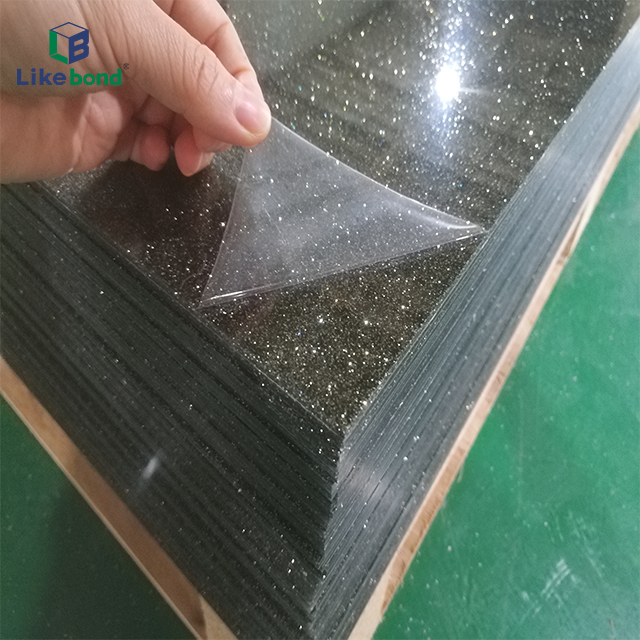
Commercial kitchens and healthcare facilities demand impeccable hygiene. We must analyze the strictly "non-porous" nature of this material. This property makes it a highly preferred alternative to tiled kitchen backsplashes. It also serves wonderfully in shower enclosures. Utilizing large seamless sheets eliminates troublesome grout lines entirely. It actively prevents moisture and harmful bacteria ingress. Maintenance staff can sanitize these large surfaces rapidly and thoroughly.
Unimpeded visual communication and physical safety must coexist in many commercial settings. You will spot these protective barriers in commercial banks, retail setups, and hospital reception desks. They serve as reliable sneeze guards and physical deterrents. They protect frontline workers from airborne pathogens and physical altercations. The high light transmission ensures that customer interactions remain friendly and open.
Lighting designers utilize the light-diffusing properties of specific frosted panels heavily. You will often see them integrated into backlit ceilings and retail wayfinding systems. Custom exhibition booths also rely on them for dramatic glowing effects. The material scatters LED light evenly across its surface. This diffusion eliminates harsh hotspots from individual bulbs. It creates a soft, premium ambient glow perfect for high-end retail spaces.
Using thin panels (under 4mm) for large upright partitions, leading to undesirable bowing.
Positioning high-heat halogen bulbs directly behind standard panels, risking localized melting.
Applying generic silicone sealants that contain acetic acid, which can degrade the panel edges.
Every building material possesses physical limitations. This thermoplastic has a notably high coefficient of thermal expansion. It expands and contracts significantly more than glass or metal. Contractors must understand this reality deeply. You must engineer adequate expansion gaps within the holding frames. Failure to leave expansion room inevitably causes the sheets to bow. It will also lead to dangerous stress cracking around fastening points.
Facility managers require an honest assessment of maintenance procedures. This material is highly vulnerable to abrasive cleaners and harsh chemical solvents. Acetone, ammonia, and aggressive scouring pads will permanently ruin the surface. It leads to micro-fractures known as "crazing." Maintenance only requires mild soap, warm water, and a soft microfiber cloth. Proper cleaning protocols drastically extend the installation's aesthetic lifespan.
Fire safety compliance dictates interior material selection heavily. We must discuss fire ratings transparently. Standard PMMA is inherently combustible. Specifiers must cross-reference local building codes strictly before installation. You must check Euroclass or ASTM E84 standards. Authorities generally restrict its use in continuous interior wall applications or primary emergency egress routes. However, specialized fire-retardant grades exist for projects requiring stricter compliance.
| Observed Issue | Likely Cause | Recommended Solution |
|---|---|---|
| Surface Crazing (Tiny cracks) | Exposure to ammonia-based glass cleaners | Replace affected panel; switch to soap and water |
| Panel Bowing/Warping | Insufficient thermal expansion gaps in frame | Adjust frame to allow 3-5mm movement tolerance |
| Light Surface Scratches | Abrasive wiping cloths or dry dusting | Apply specialized buffing compound and polish |
Modern architecture thrives on complex geometries. We must highlight the incredible ease of fabrication here. You can laser-cut, router, and thermoform these sheets into complex architectural shapes. Doing this with mineral glass involves expensive, time-consuming slumping processes. Plastics provide rapid fabrication scalability. Designers can achieve intricate curved partitions or custom cut-outs economically. This flexibility empowers creative architectural expressions.
The construction industry faces immense pressure to adopt sustainable practices. We are witnessing a massive shift toward 100% recycled materials (rMMA). Manufacturers synthesize these from liquid chemical waste and offcuts. Utilizing rMMA lowers the project's overall carbon footprint dramatically. It minimizes construction waste going into landfills. Opting for recycled grades helps modern developments achieve rigorous green building certifications like LEED or BREEAM.
Buyers must approach procurement methodically. You should request specific assurances from your suppliers. This ensures the material matches the engineering demands.
Request UV Guarantees: Demand documented warranties against yellowing for exterior projects.
Verify Thickness Tolerances: Structural applications require strict cast thickness tolerances to ensure load calculations remain accurate.
Order Sample Runs: Test optical clarity and light diffusion in the actual environment before placing bulk orders.
Check Fire Certifications: Obtain the technical data sheets (TDS) proving compliance with your regional fire safety codes.
These versatile sheets provide immense strategic value in modern construction. They serve as a highly effective solution for projects prioritizing severe weight reduction and impact safety. Architects gain incredible design flexibility through easy thermoforming and CNC customization. However, successful implementation relies heavily on understanding physical boundaries. You must account for thermal expansion and strictly avoid chemical solvents during maintenance. We strongly encourage decision-makers to consult with fabrication specialists early. Always request technical data sheets (TDS) to ensure your selected material grade matches the specific structural and compliance requirements of your project.
A: Thickness varies based on wind load, frame size, and the specific application. For standard structural glazing, thickness usually ranges from 3mm to 15mm. Extremely large windows or balcony balustrades facing high wind pressures may require panels exceeding 15mm. Always consult a structural engineer to calculate the exact thickness needed for your frame dimensions.
A: Yes. Unlike mineral glass, minor surface scratches on this material are completely repairable. You can polish them out using specialized buffing compounds and soft polishing wheels. This restorative ability significantly extends its usable lifecycle in high-traffic environments where minor abrasions occur frequently.
A: Standard grades transmit a small amount of UV light. However, architectural-grade sheets are specifically formulated or treated to block up to 98% of harmful UV radiation. This treatment protects valuable interior assets, artworks, and retail merchandise from premature fading while preventing the panel itself from yellowing.
A: While thick transparent blocks can serve as decorative flooring or stair treads, they require rigorous engineering. The structural frame must distribute the heavy load evenly. Furthermore, the material is inherently prone to scratching in high-footfall areas. You must apply durable protective hard-coatings if you intend to walk on it regularly.


