

Views: 0 Author: Site Editor Publish Time: 2026-01-29 Origin: Site


A two way mirror is often surrounded by mystery because it looks like an ordinary mirror on one side while appearing transparent from the other under the right lighting conditions. Many people search for what is a two way mirror when they encounter mirrors in public spaces, offices, or commercial facilities and want to understand how privacy and visibility can exist at the same time. In reality, the idea of a two-way mirror is based on physics and lighting rather than on a special one-direction-only reflection. Whether it is made of glass or acrylic two way mirror sheets, the working principle remains similar, but the material choice strongly affects durability, safety, and installation flexibility in real projects.
To understand how a two way mirror functions, it helps to know that it is not fully reflective. The surface is coated so that part of the light is reflected and part of it passes through. This is why two way mirror and one way mirror are sometimes used interchangeably in everyday language, even though technically the mirror itself does not control direction. What determines visibility is the balance of light on each side. When one side is brightly lit and the other side is kept darker, people on the bright side see mostly their own reflection, while observers on the darker side can see through the mirror.
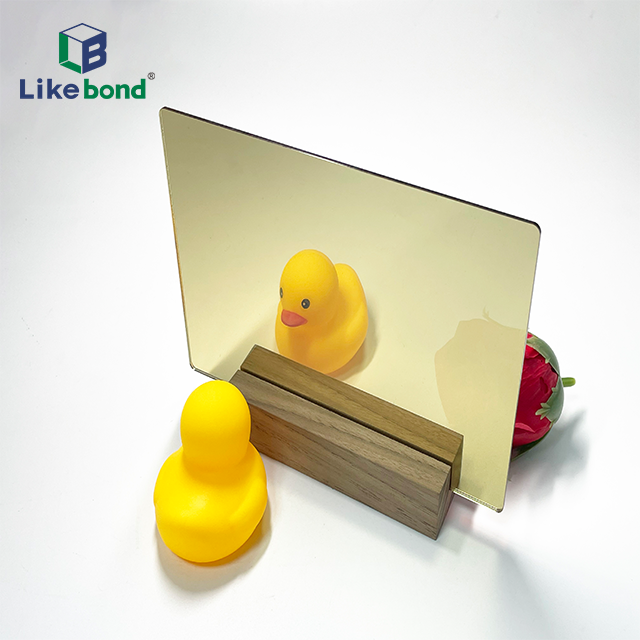
This effect explains why two-way mirrors are commonly used in observation rooms, security monitoring spaces, and certain retail environments. The mirror does not switch modes automatically. If lighting conditions change, the visibility also changes. That is why professional installations pay close attention to room design, illumination placement, and surface finishes. In commercial interiors, mirrored acrylic sheets are often selected because they allow more control over thickness, weight, and safety compared with traditional glass, while still delivering consistent optical performance.
A standard mirror reflects nearly all incoming light, which is why you cannot see through it under normal conditions. A two way mirror uses a semi-reflective coating that allows a percentage of light to pass through. This is why it is sometimes described as a partially transparent mirror rather than a true directional mirror. The difference is subtle in appearance but significant in application. When someone asks what is a two way mirror in practical terms, the simplest explanation is that it is designed to reflect enough light to look like a mirror while still allowing visibility from the opposite side when lighting is controlled.
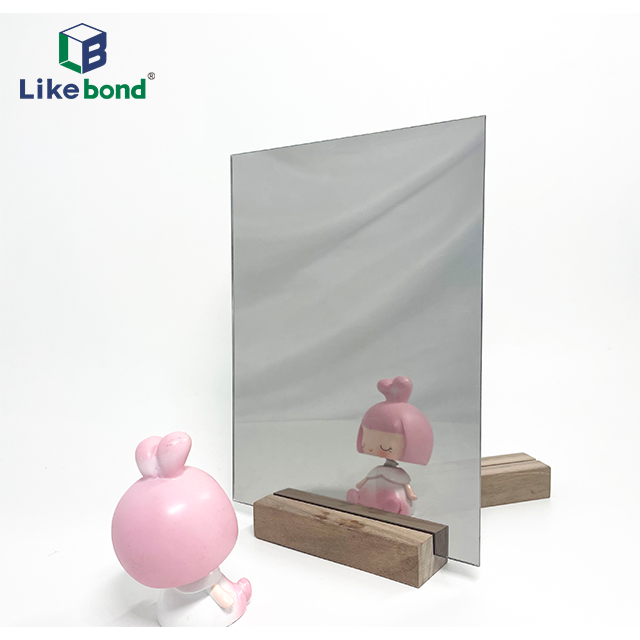
Material choice also matters. Acrylic two way mirror panels are widely used in commercial projects because they are lighter, easier to cut, and less likely to shatter. For large wall installations, display partitions, or customized shapes, mirrored acrylic sheets provide design flexibility that is difficult to achieve with glass. This is particularly relevant in advertising displays and architectural interiors where safety regulations and transport limitations are important factors.
Two way mirror installations are not limited to security or observation. In retail design, they are used to create interactive spaces where staff can discreetly monitor customer behavior or adjust lighting and layout based on real-time observation. In entertainment venues, they are part of stage effects, illusion installations, and themed environments where visual depth and hidden spaces are part of the experience.

In office environments, two-way mirrors can serve as privacy partitions while maintaining an open visual feeling from one side. Acrylic mirror panels are often selected in these cases because they are easier to mount on lightweight framing systems and can be produced in large formats without increasing structural load. When buyers search for two way mirror supplier options, they are usually looking for stable optical quality combined with consistent coating performance across large production batches, which is critical for commercial uniformity.
Many people search for how to tell if a mirror is two way because they are concerned about privacy in unfamiliar locations. While no test is perfectly reliable, several physical principles can help form a basic judgment. One common approach is the light comparison method. If the room behind the mirror is significantly darker and you can place your face close to the surface while shading surrounding light, you may be able to see faint shapes or movement behind it if it is a two way mirror. This method depends heavily on lighting contrast and does not work well in evenly lit spaces.
Another commonly discussed two way mirror check involves touching the mirror surface. In standard mirrors, the reflective layer is behind the glass or acrylic, creating a small gap between your finger and its reflection. In some two way mirror products, especially thin acrylic two way mirror sheets, this gap may appear smaller. However, modern manufacturing processes can vary, and this method is not definitive. Professional environments rely on design planning and controlled lighting rather than casual testing methods to ensure privacy and functionality.

From a manufacturing and installation perspective, acrylic two way mirror materials offer several advantages. Acrylic can be laser cut, CNC machined, and thermoformed, which allows customized shapes for architectural features and display structures. This is why mirrored acrylic sheets are commonly used in advertising installations, exhibition booths, and branded interior décor where design freedom is essential.

Glass two-way mirrors are more commonly found in permanent observation rooms and institutional facilities. They provide excellent optical flatness but require heavier framing systems and more complex safety handling. In contrast, acrylic mirror on wall installations are easier to retrofit in existing spaces and can be mounted using adhesive systems or lightweight mechanical fixings. For large-scale projects, manufacturers can supply bulk acrylic mirror sheet wholesale orders with consistent coating quality, which is important for visual uniformity across multiple panels.
One common misunderstanding about two-way mirrors is that they guarantee privacy under all conditions. In reality, if lighting levels equalize between both sides, visibility becomes possible in both directions. This is why professional installations always consider environmental lighting, reflective background surfaces, and room usage patterns. When used in public or commercial spaces, two way mirror panels are part of a broader system that includes lighting design and spatial layout.
For businesses sourcing acrylic two way mirror panels, understanding these limitations is essential to avoid incorrect expectations. Manufacturers often provide technical data about light transmission and reflectivity percentages so designers can calculate suitable lighting conditions. This practical approach aligns with real-world use and helps prevent dissatisfaction after installation.
Not all two way mirror products perform the same. Coating consistency, substrate flatness, and surface finish all influence how natural the mirror appears and how clearly visibility works from the observation side. In acrylic mirror manufacturing, mechanical coating processes are commonly used to ensure even reflective layers across large sheets, reducing distortion and color shift.

For wholesale buyers, especially those in advertising display and architectural supply industries, stable batch quality is critical. Variations in coating thickness can lead to uneven transparency or patchy reflections, which are unacceptable in professional installations. This is why experienced acrylic mirror manufacturers invest in automated coating equipment and strict quality inspection systems rather than manual multi-layer brushing methods.
Two way mirrors are widely used in interrogation rooms, psychological research facilities, training centers, and certain medical observation environments. In these settings, durability and long-term optical stability are prioritized, which is why both glass and acrylic two way mirror options are carefully selected based on building codes and usage frequency.

In commercial branding and advertising displays, mirrored acrylic sheets are more common because they combine visual impact with lightweight construction. Display walls, product showcases, and interactive installations benefit from reflective surfaces that can also reveal internal lighting or motion when needed. This dual function makes two way mirror acrylic panels valuable tools for visual storytelling and spatial design.
Selecting the correct two way mirror product depends on application goals, safety requirements, and installation conditions. For permanent observation rooms, thicker glass or reinforced acrylic panels may be preferred. For decorative or display purposes, thinner mirrored acrylic sheets provide sufficient optical performance with easier handling.
Wholesale buyers usually consider factors such as sheet size availability, thickness range, surface protection film quality, and compatibility with cutting or bonding processes. Acrylic mirror suppliers who serve the U.S. market often offer standard sizes such as 4x8 sheets, which fit common construction and display frameworks. Consistency across these dimensions simplifies logistics and reduces material waste during fabrication.

The appeal of two-way mirrors goes beyond privacy and observation. They allow designers and engineers to create layered spaces where visual perception changes depending on lighting and viewpoint. This makes them powerful tools in both functional and aesthetic design. When properly used, a two way mirror becomes part of an integrated system that shapes how people experience a space rather than just a passive reflective surface.
For businesses sourcing acrylic two way mirror products in bulk, the focus is often on reliability, optical clarity, and production scalability. These factors ensure that every installed panel delivers the same performance, which is essential for professional projects. As mirrored acrylic sheets continue to evolve in coating technology and surface durability, their role in commercial interiors and display engineering is likely to expand even further.


