

Views: 0 Author: Site Editor Publish Time: 2026-01-22 Origin: Site


When choosing transparent materials for construction, signage, or interior design, many buyers face the same question: which is costly, acrylic or glass? The answer is not as simple as comparing price per square meter. Both acrylic sheets and glass sheet products come in many grades, thicknesses, and surface treatments, and the final cost is influenced by processing, transport, installation, and long-term maintenance. For commercial buyers and project contractors, the decision often depends on total lifecycle cost rather than material price alone.

Acrylic, often referred to as plexiglass acrylic sheets, is a type of acrylic plastic sheets made from polymethyl methacrylate. Glass is an inorganic material produced by melting silica and other minerals at very high temperatures. These different production methods already shape their pricing structures, availability, and performance in daily use.

The base material cost of standard float glass is generally lower than that of acrylic sheets in many markets. Large-scale glass manufacturing benefits from mature industrial supply chains and massive production volumes. For simple, thin glass sheet used in windows or picture frames, the raw material cost can be quite competitive.
Acrylic sheets, especially clear acrylic sheets with high optical clarity, require polymerization processes and controlled casting or extrusion. These processes involve higher material purity and stricter temperature control, which affects production cost. When buyers choose thicker panels, UV-resistant grades, or specialty colors, the price of acrylic plastic sheets increases accordingly.
However, material cost is only part of the picture. Glass is heavier, which means higher transportation expenses, more complex packaging, and stricter handling requirements. Acrylic sheet 8x4 panels are much lighter than glass of the same size, which reduces shipping costs and lowers the risk of breakage during transport. In international trade, these logistics factors can significantly influence the final landed cost.
Processing also plays a role. Cutting, drilling, polishing, and shaping acrylic sheets can be done with common CNC equipment, while glass processing often requires specialized tools, water-jet cutting, or tempering furnaces. For customized shapes, the processing cost of glass can exceed that of plexiglass acrylic sheets, especially in small and medium batch production.

Durability is a major factor in determining which material is truly more costly over time. Glass is very hard and highly resistant to surface scratches, making it suitable for areas where abrasion is frequent. In shopping malls and office buildings, glass partitions maintain surface clarity even after years of cleaning.
Acrylic sheets are softer and can scratch more easily, which may require periodic polishing or replacement in high-contact environments. At the same time, acrylic is far more impact-resistant than glass. In schools, sports facilities, and transportation hubs, acrylic plastic sheets are often used because they do not shatter into dangerous fragments when struck. The reduced risk of injury and lower replacement frequency after accidents can translate into cost savings.

Weather resistance also affects maintenance budgets. Both materials can perform well outdoors, but acrylic sheets with UV protection maintain clarity longer in strong sunlight, while some low-grade plastics may yellow over time. Modern clear acrylic sheets designed for signage and architectural use typically offer long-term transparency comparable to glass, with less risk of cracking due to temperature changes.
Real-world applications show that both materials are selected for different reasons, not only for cost. In modern stadiums and public transportation facilities, acrylic panels are often used for safety barriers and noise reduction screens. Their lighter weight reduces structural load and simplifies installation at height, which lowers construction costs even if the material itself is more expensive per square meter.
Glass remains dominant in skyscraper façades and luxury commercial buildings where visual depth and scratch resistance are essential. Tempered and laminated glass sheet products are widely used to meet strict building codes and fire safety standards. These specialized glass types are significantly more expensive than standard acrylic sheets, and the installation process requires certified professionals, further increasing project budgets.
In retail environments, plexiglass acrylic sheets are popular for display cases, shelving, and branded fixtures. Colored acrylic sheets allow designers to create vivid visual effects that are difficult to achieve with glass without applying additional coatings or films. For chain stores that frequently update layouts, the ease of fabrication and replacement makes acrylic a practical choice, even if the unit price is higher.
The advertising industry provides a clear example of how cost and performance intersect. Outdoor lightboxes, channel letters, and billboard panels often rely on acrylic sheets because of their light transmission properties and ease of thermoforming. Clear acrylic sheets distribute light evenly, while colored acrylic sheets create strong brand visibility without additional painting.
Glass sheet products are rarely used in large illuminated signs due to weight, fragility, and difficulty in shaping. Even when glass is cheaper as a raw material, the total system cost becomes higher once installation and structural reinforcement are considered. This is why acrylic sheet 8x4 formats are standard in many signage manufacturing facilities around the world.
In regions with extreme weather, acrylic also performs better under wind load and minor impacts from debris. Replacing cracked glass signage panels can be costly and disruptive, while acrylic panels are less likely to fail catastrophically.
There are situations where buyers willingly choose higher-priced acrylic sheets because of design and safety advantages. Museums and exhibition halls often use acrylic for display enclosures to protect artifacts, as acrylic blocks UV rays better than ordinary glass and reduces the risk of shattering near valuable objects.
In healthcare environments, acrylic partitions became widespread during global health events when rapid installation of protective barriers was required. The lightweight nature of acrylic plastic sheets allowed for fast deployment, flexible layouts, and lower labor costs. Even when material prices were higher, overall project expenses remained manageable due to faster installation and reduced infrastructure modifications.
For marine and aerospace industries, acrylic windows and canopies are used because of their optical clarity and strength-to-weight ratio. These specialized applications demonstrate that cost decisions are often driven by performance requirements rather than by material price alone.
Glass offers unmatched surface hardness and long-term scratch resistance, making it ideal for high-end interior finishes, tabletops, and architectural features where visual perfection must be maintained with minimal upkeep. Acrylic, while durable in impact, may show wear more easily in public areas with frequent contact.
Heat resistance is another factor. Glass tolerates higher temperatures and is more stable near heat sources. Acrylic sheets can soften at elevated temperatures, which limits their use near ovens, fireplaces, or industrial equipment. In such cases, even if glass costs more initially, it becomes the safer and more durable option.
Chemical resistance also differs. Certain solvents can damage acrylic surfaces, while glass remains inert to most household chemicals. In laboratories and industrial settings, glass sheet products are often preferred for this reason, even though installation costs may be higher.
When comparing acrylic and glass, the question of which is costly depends on how cost is defined. If only material price is considered, basic glass sheet often appears cheaper. When transport, installation, safety measures, customization, and maintenance are included, acrylic sheets may offer lower total project cost in many commercial scenarios.
For signage, displays, and protective barriers, plexiglass acrylic sheets frequently provide better value because of ease of processing and lower structural requirements. For permanent architectural glazing and luxury interiors, glass remains the material of choice despite higher installation and safety compliance costs.

Commercial buyers sourcing acrylic sheet 8x4 panels or bulk quantities of acrylic plastic sheets often focus on consistent quality, stable supply, and fabrication compatibility. These factors directly affect production efficiency and final product reliability, which ultimately influence profitability more than raw material price differences.
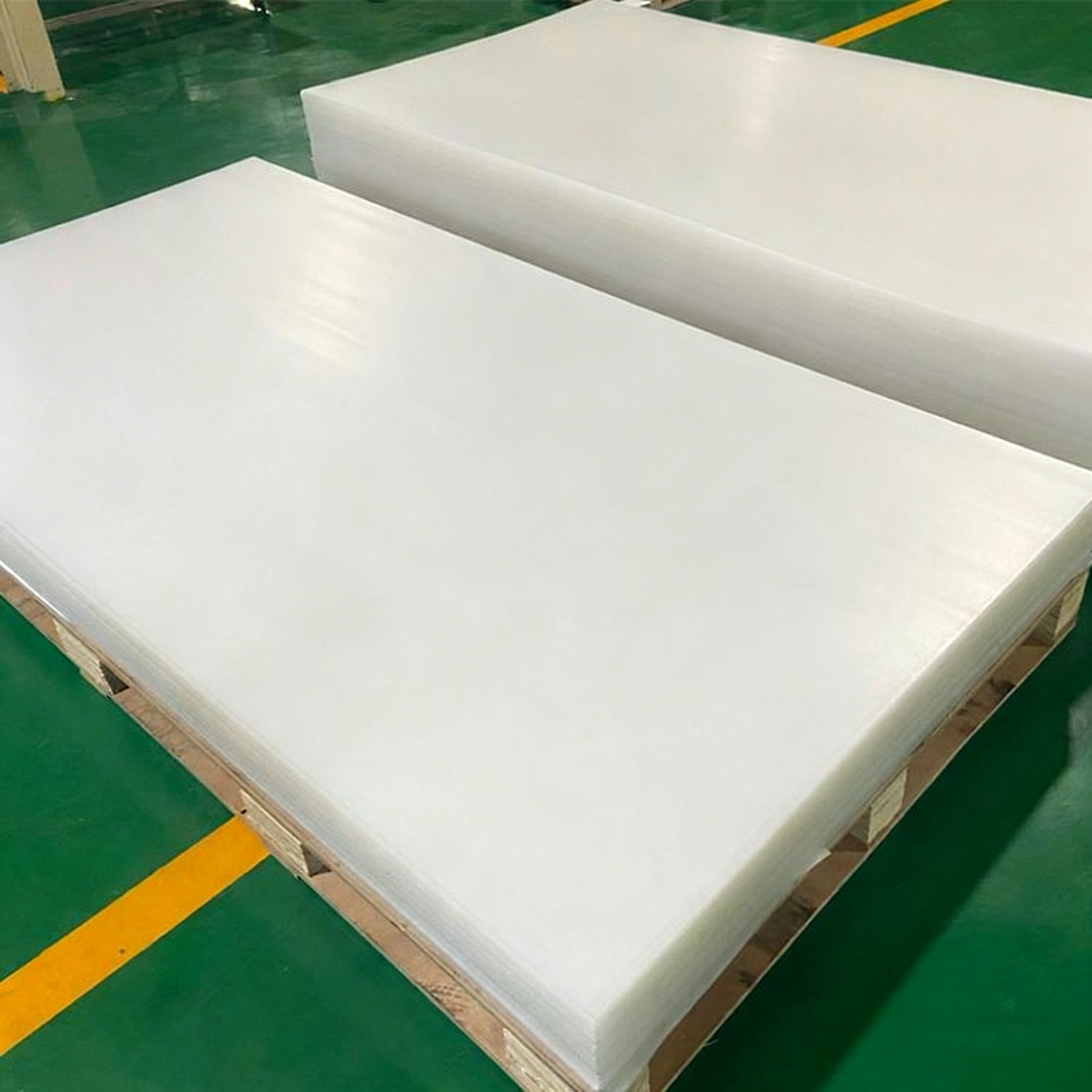
Rather than asking whether acrylic or glass is more costly, a more useful question is which material delivers the best performance for the intended use. Clear acrylic sheets excel in lightweight structures, illuminated signs, and safety-focused installations. Colored acrylic sheets support creative branding and fast fabrication. Glass sheet products offer unmatched hardness and long-term surface stability for premium architectural and interior projects.
Both materials continue to evolve with improved coatings, stronger composites, and better manufacturing techniques. As a result, cost comparisons also change over time depending on energy prices, logistics conditions, and market demand. What remains consistent is that the most economical choice is the one that meets performance needs with the lowest risk and maintenance over the full service life of the project.
Understanding these practical differences helps buyers, designers, and contractors make informed decisions that balance budget, safety, and visual impact. In real commercial environments, value is rarely defined by material price alone, and both acrylic sheets and glass sheet products play essential roles across industries worldwide.


