

Views: 0 Author: Site Editor Publish Time: 2026-08-12 Origin: Site


Scaling reflective surfaces in commercial environments introduces compounding challenges regarding structural load, installation logistics, and liability. Traditional glass mirrors become prohibitively heavy, fragile, and dangerous at scale. This limits design possibilities in retail displays, hospitality venues, and high-traffic public spaces. High-quality acrylic mirror panels offer a shatter-resistant, lightweight alternative that adds depth and brightness to commercial interiors.
Achieving glass-like optical clarity requires strict adherence to specific thickness standards, substrate preparation, and mounting techniques to avoid visual distortion. We see many contractors fail because they treat plastic like glass. You must handle the material differently from the moment it arrives on site. Proper execution demands a clear understanding of thermal expansion, adhesive compatibility, and wall leveling.
Weight & Safety: Acrylic mirror panels are approximately 50% lighter than glass and highly shatter-resistant, significantly reducing structural reinforcement requirements and mitigating liability.
Optical Realities: Large-format installations require rigid, perfectly flat substrates and proper adhesives to prevent bowing (the "funhouse effect").
Application Versatility: The material allows for on-site fabrication, routing for custom shapes (like 3D lettering and decorative profiles), and includes specialized variants like the two way acrylic mirror for security or smart-display integration.
Lifecycle Expectations: When maintained with non-abrasive, ammonia-free cleaning protocols, commercial acrylic mirrors yield a 10- to 20-year operational lifespan.
Commercial interior build-outs frequently rely on standard metal stud framing and drywall partitions. Mounting large-format traditional glass mirrors onto these standard assemblies introduces severe structural stress. Glass weighs significantly more than plastic alternatives. Architects often have to specify heavy-duty structural anchors, in-wall blocking, or steel reinforcement to handle the dead load safely. Acrylic alternatives weigh roughly half as much as their glass counterparts. This drastic reduction in weight allows installation crews to mount expansive reflective surfaces directly onto standard commercial walls. You avoid exceeding load-bearing limits or requiring invasive structural retrofits.
| Material | Thickness | Weight per Sq. Ft. | Structural Reinforcement Needed |
|---|---|---|---|
| Standard Glass | 1/4" (6mm) | ~3.27 lbs | Heavy blocking, steel anchors |
| Acrylic Mirror | 1/4" (6mm) | ~1.56 lbs | Standard drywall anchors, adhesive |
| Standard Glass | 1/8" (3mm) | ~1.64 lbs | Moderate blocking |
| Acrylic Mirror | 1/8" (3mm) | ~0.78 lbs | Minimal to none |
When you evaluate a 50-foot continuous wall span in a fitness center, the weight difference becomes massive. A glass installation might add over 1,500 pounds to the wall assembly. The plastic equivalent keeps the added load well under 800 pounds. This keeps the project moving without waiting for structural engineering approvals.
Risk mitigation drives material selection in high-traffic and high-impact commercial zones. Facilities such as gyms, dance studios, retail aisles, psychiatric facilities, and educational classrooms must adhere to strict safety regulations regarding breakable materials. When traditional glass shatters, it produces dangerous, heavy shards. These shards pose immediate laceration hazards and massive liability risks.
Acrylic is highly impact-resistant and does not shatter into hazardous pieces upon failure. Meeting commercial building safety standards becomes straightforward when specifying a material designed to absorb impact rather than fracture. If a heavy kettlebell strikes the wall, the plastic might crack or dent, but it will not rain sharp debris onto the floor. This single characteristic eliminates a massive liability headache for facility managers.
Reflective surfaces serve as functional architectural tools to manipulate light and perceived space. Confined commercial interiors, narrow retail corridors, and low-lit hospitality venues benefit immensely from wall-to-wall reflection. These panels strategically amplify existing ambient and artificial lighting. They effectively double the visual depth of a room. Designers utilize these lightweight sheets to wrap structural columns, line ceiling recesses, and create continuous mirrored walls. You can bring modern elegance to otherwise claustrophobic spaces without the heavy visual framing required by glass. Because the material is light, ceiling suspensions become a viable design option. You can create mirrored ceilings in hotel lobbies or casino floors without the extreme overhead danger of suspended glass.
Construction timelines frequently demand on-the-fly adjustments that pre-cut tempered glass cannot accommodate. Once glass is tempered, it cannot be cut, drilled, or modified. Acrylic provides unmatched fabrication flexibility. Installers can cut, drill, and route the material directly on the job site using standard commercial woodworking tools. This capability is necessary when working around unexpected electrical outlets, plumbing fixtures, or uneven architectural features.
Here is the standard field sequence for cutting panels on site:
Leave the protective masking film on both sides of the sheet to prevent surface damage.
Measure and mark the cut lines directly onto the masking film using a permanent marker.
Support the sheet fully on a flat, rigid work table to prevent vibration and cracking.
Cut using a circular saw equipped with a fine-tooth plastic-cutting blade (80 teeth or more).
Feed the saw at a steady, moderate pace to prevent melting the plastic edges from friction heat.
Deburr the freshly cut edges using a specialized scraping tool or fine-grit sandpaper.
Furthermore, CNC routing allows for the creation of intricate custom wall art, 3D plastic letters, and decorative backsplashes. You expand the design vocabulary far beyond simple rectangular mirrors.
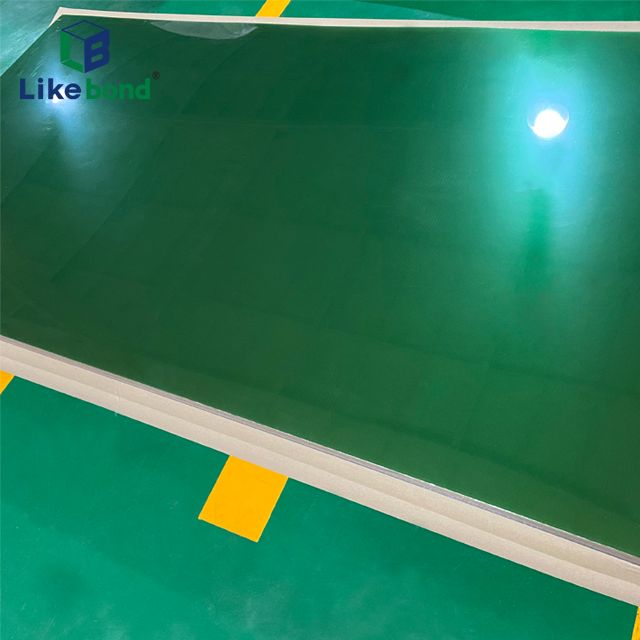
Understanding the optical construction of reflective plastics is necessary for proper specification. The vast majority of commercial applications utilize second-surface mirrors. In this configuration, the reflective metallic coating is applied to the back of the transparent acrylic sheet and protected by a durable painted backing. The viewer looks through the clear plastic to see the reflection. This protects the metallic layer from physical wear. First-surface mirrors feature the reflective coating on the front face of the substrate. While first-surface options eliminate the minor refraction caused by looking through the plastic thickness, they are highly susceptible to scratching. We typically reserve first-surface variants for specialized optical engineering or enclosed laser systems rather than commercial wall displays.
Interactive environments and secure facilities require specialized optical solutions. A two way acrylic mirror features a semi-transparent metallic coating that allows a specific percentage of light to pass through while reflecting the rest. When the lighting ratio between two adjacent rooms is properly controlled, the panel functions as a mirror on the bright side and a window on the dark side. You must keep the observation side dark and the subject side brightly lit. Beyond security observation rooms, retail designers integrate these panels to create hidden digital signage, infinity rooms, and interactive displays. Video screens magically appear through a seemingly solid mirror when powered on. This creates a highly engaging customer experience in modern retail environments.
Commercial interior design often requires reflective surfaces that align with specific brand identities or atmospheric goals. Manufacturers produce reflective acrylic in a wide spectrum of tinted colors. Options include gold, bronze, grey, rose gold, and blue. These colored variants maintain high reflectivity while altering the color temperature of the reflected light. Bronze and gold mirrors are frequently specified in high-end hospitality venues, bars, and restaurants to create a warm, luxurious ambiance. Grey tinted mirrors offer a sleek, muted reflection. They are ideal for modern, industrial, or minimalist retail environments where standard silver mirrors might appear too harsh or clinical. You can mix and match these colors to create geometric wall patterns or branded feature walls.
The most frequent specification error in commercial mirror installation is selecting an inadequate material thickness. Acrylic is inherently flexible. If the material is too thin, it will conform to the microscopic imperfections of the wall behind it. This results in a distorted, wavy reflection. For large wall displays, specifying a minimum thickness of 1/4" (6mm) is mandatory. The 1/4" thickness provides the necessary structural rigidity to bridge minor wall variations and maintain optical flatness across large spans. Thinner materials, such as 1/8" (3mm), lack this rigidity. You should strictly reserve 1/8" sheets for small framed accents, decorative profiles, or applications where the panel is fully supported by a rigid, flat backing board prior to installation.
| Application Type | Recommended Thickness | Mounting Method |
|---|---|---|
| Full Wall Gym Mirrors | 1/4" (6mm) | J-Channel & Mastic on MDF |
| Retail Column Wraps | 1/8" (3mm) | Full-coverage VHB Tape |
| Restroom Vanities | 1/4" (6mm) | Mechanical Standoffs |
| Small Decorative Accents | 1/8" (3mm) | Adhesive or Framing |
High-humidity environments ruthlessly degrade traditional glass mirrors. In commercial spas, locker rooms, indoor pools, and shower facilities, moisture penetrates the edges of glass mirrors. This oxidizes the silver backing and causes unsightly black edges. The industry calls this process desilvering. Acrylic inherently resists this type of moisture degradation. The vacuum-metallized aluminum coating used on high-quality plastic mirrors offers superior resistance to ambient humidity. Combined with industrial-grade protective back-painting, it withstands direct moisture exposure. This makes plastic alternatives highly reliable for commercial shower mirrors and aquatic facility wall coverings. You do not have to worry about replacing the panels every two years due to edge rot.
Evaluating the financial impact of reflective surfaces requires looking beyond the initial per-square-foot material cost. Premium optical-grade acrylic often carries a higher upfront price tag than basic annealed glass. The true value emerges during logistics and installation. Shipping large glass sheets requires specialized A-frame trucks and heavy crating. It carries a high risk of breakage during transit. On-site, moving large glass mirrors requires specialized suction-cup rigging and multiple heavy-lifting personnel. Plastic panels ship flat, handle easily, and can be maneuvered by standard carpentry crews. The drastic reductions in freight costs, breakage rates, and specialized labor make acrylic the more economical choice for large-scale commercial rollouts. You save thousands on specialized glazing contractors by utilizing your existing carpentry teams.
The primary risk associated with flexible reflective panels is optical distortion, commonly referred to as the "funhouse effect." Because plastic is pliable, any deviation from a perfectly flat mounting plane translates directly into the reflection. If a panel is pushed into a wall depression or stretched over a high spot, the reflection warps. Acrylic has a higher coefficient of thermal expansion than glass. It expands and contracts with temperature fluctuations. If panels are installed tightly against each other or bound rigidly within a frame without expansion gaps, thermal changes cause the material to bow outward. This instantly ruins the optical clarity of the installation. You must leave a 1/16" to 1/8" gap at all perimeters to accommodate this movement.
Achieving a glass-like reflection requires flawless substrate preparation. Mounting flexible mirrors directly to standard commercial drywall is a guaranteed path to failure. Drywall seams, mudded joints, and the natural bowing of metal studs create an uneven topography. Installers must prepare a perfectly plumb, rigid, and flat mounting surface.
Follow these steps for proper wall preparation:
Locate and mark all metal or wood studs across the installation area.
Install a continuous layer of 3/4" heavy MDF or high-grade cabinet plywood over the existing drywall.
Countersink all heavy-duty screws so the heads sit below the wood surface.
Fill all screw holes and plywood seams with a high-quality wood filler.
Sand the entire substrate perfectly flush using an orbital sander.
Apply a coat of primer or sealer to the wood to prevent moisture absorption and ensure proper adhesive bonding.
Skipping any of these steps will result in visible distortion on the final mirrored surface.
Chemical incompatibility between adhesives and mirror backing is a frequent cause of catastrophic installation failure. Standard construction mastics, silicone sealants containing acetic acid, and solvent-based glues will eat through the protective back-coating. They dissolve the reflective metallic layer, leaving permanent dark spots visible from the front. Installers must exclusively use polymer-based, non-solvent adhesives specifically formulated and manufacturer-approved for acrylic mirrors. Verifying chemical compatibility before application is a non-negotiable step in the installation process. We recommend testing a small dab of adhesive on a scrap piece of mirror and waiting 48 hours to ensure no chemical reaction occurs.
Proper application technique prevents trapped air and uneven tension. After dry-fitting the panels to verify dimensions and expansion gaps, apply adhesive in straight, vertical beads. Installers should never apply adhesive in closed loops, circles, or horizontal lines. This traps air pockets behind the panel. Vertical beads allow air to escape upward and downward as the panel is pressed into place. Apply even pressure across the entire surface using a soft rubber roller. The protective masking film on the front of the panel must remain intact throughout the entire cutting, handling, and mounting process. Remove it only during the final reveal to prevent accidental scratching from tools or construction dust.
While adhesives provide a seamless look, mechanical fastening offers distinct advantages for thermal movement and future panel replacement. When using edge-framing or J-channels, size the channels slightly larger than the panel thickness. This allows the material to float and expand freely. If drilling through the panel for stand-off hardware, the drill holes must be oversized. We recommend drilling holes 1/8" larger than the fastener shaft. Tighten the screws just enough to hold the panel secure without clamping down hard on the plastic. Over-tightening restricts thermal movement. It will inevitably cause stress fractures or bowing around the mounting points. Use rubber washers between the standoff head and the plastic to distribute the pressure evenly.
The operational lifespan of commercial plastic mirrors depends entirely on strict adherence to proper cleaning protocols. The surface is softer than glass and highly susceptible to micro-scratching if mishandled. Custodial staff must be trained to never use paper towels, dry rags, or abrasive scouring pads. Cleaning requires clean, high-quality microfiber cloths. Traditional ammonia-based glass cleaners cause chemical crazing. Crazing is a network of microscopic cracks that permanently cloud the plastic. Maintenance teams must use specialized anti-static plastic cleaners or a simple solution of mild dish soap and water. Spray the solution onto the microfiber cloth rather than directly onto the mirror to prevent liquid from seeping behind the bottom edges.
In high-traffic commercial environments, incidental contact is inevitable. To mitigate damage in retail aisles, gymnasiums, or corridors, designers should specify scratch-resistant coated variants for lower-wall applications. These specialized panels feature an abrasion-resistant clear coat applied over the front surface. This significantly improves durability against daily wear and tear. For standard panels, minor surface scratches can often be buffed out. You can use specialized multi-stage plastic polishing compounds to restore the optical clarity without requiring full panel replacement. Train your maintenance crew to address minor scuffs immediately before they accumulate and dull the overall reflection.
Request physical material samples in both 1/8" and 1/4" thicknesses to test optical clarity and rigidity against your specific wall conditions.
Consult with structural engineers and carpentry teams to specify a rigid MDF or plywood substrate leveling system before installation begins.
Source and verify manufacturer-approved, polymer-based adhesives to prevent chemical damage to the mirror backing.
Establish and document strict, ammonia-free cleaning protocols for facility maintenance staff prior to project handover.
A: Preventing distortion requires specifying a minimum thickness of 1/4" (6mm) for structural rigidity. You must mount the panels on a perfectly flat, plumb, and rigid substrate like heavy MDF or sanded plywood. Using vertical beads of approved adhesive and leaving expansion gaps prevents thermal bowing.
A: A standard mirror has an opaque backing that reflects all light. A two-way mirror features a semi-transparent metallic coating without the opaque backing. This allows it to function as a mirror on the brightly lit side while permitting observation or hidden displays from the darker side.
A: Yes. Unlike tempered glass, you can easily cut, drill, and route these panels on-site using standard commercial woodworking tools like circular saws, band saws, and CNC routers. This makes them ideal for custom shapes, architectural profiles, and 3D lettering.
A: They are highly safe and often required in these environments. The material is shatter-resistant and highly impact-resistant. If subjected to extreme force, it will not break into the dangerous, heavy shards associated with traditional glass, easily meeting commercial safety standards.
A: You must use polymer-based, non-solvent adhesives specifically formulated for acrylic mirrors. Standard construction mastics and solvent-based glues will chemically attack the protective backing and dissolve the reflective metallic layer, ruining the panel permanently.
A: Yes. They are highly resistant to moisture and corrosion. Unlike traditional glass mirrors, which suffer from edge oxidation and desilvering in humid environments, the vacuum-metallized coating and sealed backing of plastic mirrors withstand high humidity exceptionally well.


