

Views: 0 Author: Site Editor Publish Time: 2025-12-08 Origin: Site


Acrylic mirror sheets are now widely used in commercial buildings, public facilities, educational spaces, and decorative environments where safety and durability matter. Compared with glass, an acrylic mirror can withstand higher impact and eliminates shattering risks in crowded places. As global projects expand, architects, contractors, and procurement managers increasingly request compliance with internationally recognized standards. Understanding these safety certifications helps ensure that a chosen acrylic mirror sheet meets both regulatory requirements and real-world performance expectations.
High-quality manufacturers offer acrylic mirror products in many formats, such as acrylic mirror 10×12 panels for small-scale decoration or large acrylic mirror sheet 4×8 boards for architectural installations. Perspex acrylic mirror options also serve unique design intentions for light diffusion and color effects. However, regardless of dimensions or appearance, certification defines whether a product can be safely installed and accepted by international construction projects.
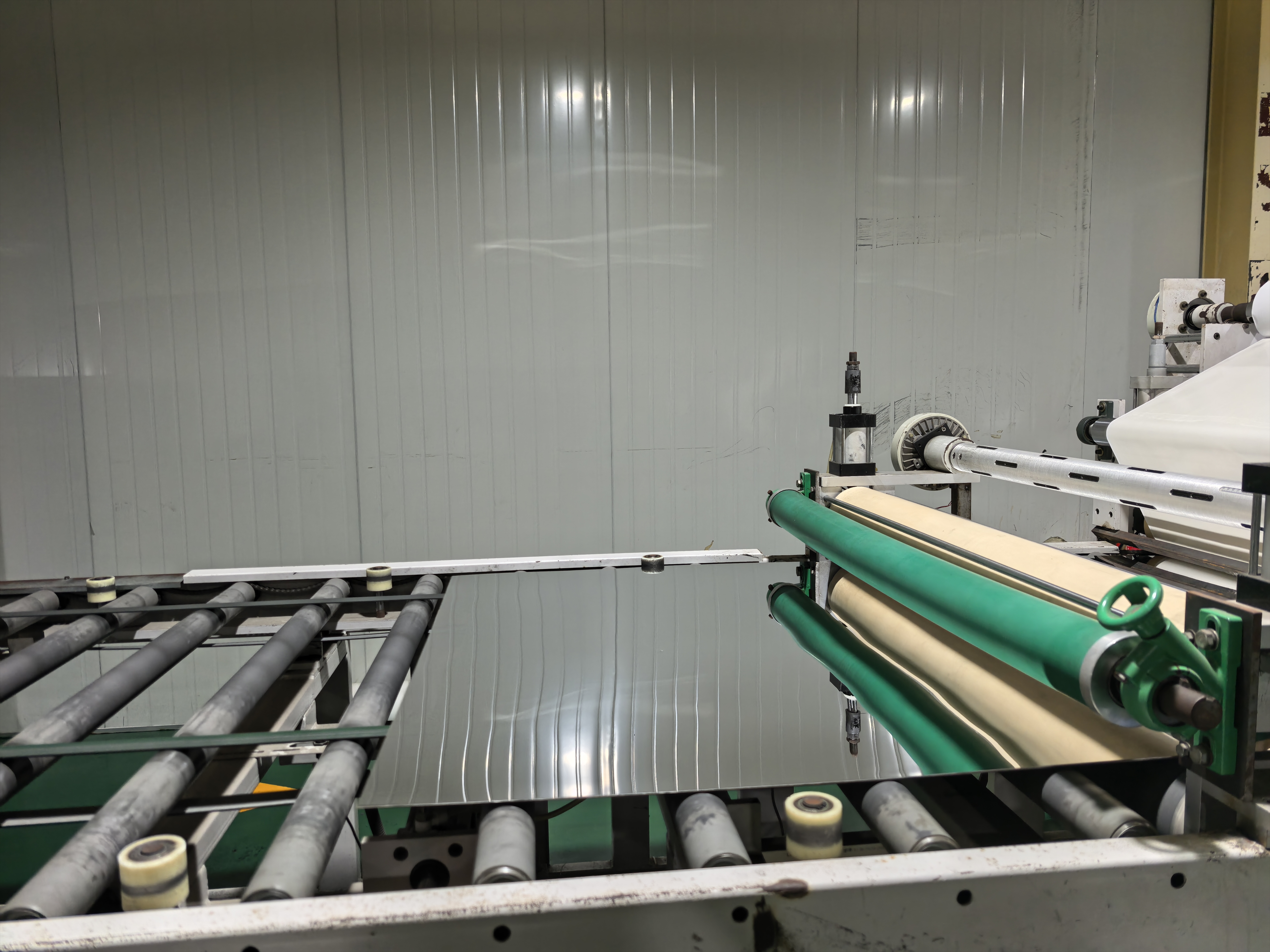
The primary evaluation of an acrylic mirror focuses on its material composition, structural integrity, and optical behavior. A certified acrylic mirror sheet typically undergoes tests covering impact resistance, flammability, chemical stability, reflectivity consistency, and resistance to aging or warping. For installations in gyms, hotels, theaters, and transportation terminals, compliance ensures predictable safety levels even under heavy use.
Industries value acrylic mirrors because they do not break into hazardous pieces. Global standards verify performance under extreme conditions. When customers compare mirrored acrylic mirrors with glass, this data allows informed product selection, especially for large wall cladding and elevated mounting applications.

North America relies heavily on ASTM testing. Projects funded by the US government, public institutions, or transportation authorities almost always require this certification. ASTM D4802 is widely referenced when determining the fabrication quality of acrylic mirror sheet. It defines minimum mechanical strength, surface flatness, and optical distortion limits.
ASTM E84 Flame Spread Index is essential for interior wall materials determining whether a perspex acrylic mirror can be used in corridors, classrooms, or other high-occupancy locations. Many architects reference Class A or Class B flame-spread ratings in building documentation. A product that aligns with ASTM testing demonstrates performance consistency and helps pass local approval inspections.
European projects frequently cite EN regulations and CE marking to demonstrate compliance with environmental and occupant safety protection. One of the key tests for acrylic reflective sheets is EN 13501, addressing reaction to fire and smoke production. This determines whether an acrylic mirror installed on large public walls will maintain safety during fire evacuation scenarios.

European countries often impose strict VOC and chemical migration evaluations. A perspex acrylic mirror used in kindergartens, hospitals, and residential interiors must satisfy these ecological requirements. Procurement teams for museums and luxury retailers prefer certified sustainable materials because long-term stability ensures investment protection.
Projects involving electronics, interactive walls, or exhibition setups usually include documentation for hazardous substances. RoHS compliance restricts the presence of heavy metals and halogens. Acrylic mirror sheet products that meet RoHS allow manufacturers to provide children-safe decorative mirrors and indoor signage solutions without compliance concerns.

REACH certification applies to the European Economic Area, confirming safe contact exposure and environmental compliance throughout the product lifecycle. When acrylic mirror 10×12 tiles are installed at hand-touching height in schools, RoHS and REACH reports are indispensable to procurement approval.
UL recognition focuses on material fire behavior, heat release, and mechanical stability in emergency conditions. Mall owners and airport contractors seek UL-certified options when acrylic mirror sheet 4×8 boards cover broad wall areas. These certifications support project justification documents submitted to safety regulatory authorities.
Some UL testing also examines electrical resistance when mirrored acrylic mirrors are installed near lighting systems, electronic displays, or smart-mirror concepts. Ensuring this component safety protects against ignition risk in high-temperature environments.
ISO 9001 certification does not test the acrylic sheet itself but validates that the manufacturer follows a stringent quality management system. Buyers working with bulk orders and long-term product supply rely on ISO audits to guarantee consistency across batches. International hotel chains, sports facility construction companies, and government procurement departments regularly request ISO documentation before supplier approval.
For projects involving custom cutting or CNC engraving, ISO certification reassures that acrylic mirror sheets retain stable reflective film adhesion and predictable thickness tolerance across different production periods, reducing installation risks and rework costs.
Australia and New Zealand use AS/NZS quality frameworks, particularly for playground facilities and transportation hubs where anti-shatter features are critical. Acrylic mirrors undergo mechanical testing to ensure panels do not fracture under repeated impact. Outdoor-grade acrylic sheet must also show UV-aging resistance due to Oceania’s intense sunlight exposure.
Sign makers installing perspex acrylic mirror signage on retail exteriors frequently request AS/NZS verification to demonstrate durability over multi-year lifecycles.
British architects and engineering consultancies still regularly reference BS standards for fire resistance and surface performance. Gyms and dance studio installations with full mirrored walls require proof that the acrylic mirror sheet does not exhibit hazardous sharpness or structural instability if detached.
BS certifications combined with CE marking simplify approvals for railway stations, municipal facilities, and schools, allowing building inspectors to swiftly verify compliance.
Child-focused spaces apply the most rigorous safety interpretations. Museums, early-education centers, and indoor playgrounds avoid glass entirely, turning to lightweight acrylic mirror sheets. Testing evaluates rounded edge finishing, anti-shatter capability, and low-toxicity chemical formulation. Acrylic mirror 10×12 panels are commonly used in sensory and developmental activities, making regulatory fulfillment crucial for procurement justification.

RoHS, REACH, and local fire standards work together, reassuring parents and operators that the material poses minimal injury risk, even under accidental hits or falls.
Many global green-building frameworks require low emissions and sustainable production. Acrylic mirror sheet manufacturers working with high-end architectural projects often provide VOC certification and environmental product declarations. The material avoids mercury and copper, creating an advantage over traditional glass-backed mirrors.
Perspex acrylic mirrors designed for spas, hotels, restaurants, and offices must demonstrate resistance to humidity, disinfectants, and daily cleaning chemicals. This testing confirms that reflective films will not degrade prematurely in controlled environments.
Project managers working across borders must evaluate which certifications apply to their installation site. North American facilities prefer ASTM and UL. European builds focus on EN, CE, and REACH. Oceania demands AS/NZS, and UK projects refer to BS guidance. ISO supports overall manufacturing credibility everywhere.
Distributors and contractors purchasing acrylic mirror sheet 4×8 or customized shapes benefit from confirming certifications before production begins. Ensuring compliance prevents shipment delays and costly site-inspection failures.
The increasing presence of acrylic mirror in public and commercial architecture has shifted the procurement focus toward certified safety performance. Regulations worldwide recognize the resilience and shatter-resistant nature of acrylic, encouraging substitution for traditional glass in environments prioritizing occupant protection.
Global-standard acrylic mirror sheet products must achieve strict performance benchmarks in fire behavior, impact safety, hazardous-substance control, and air-quality compliance. From decorative acrylic mirror 10×12 tiles to engineered perspex acrylic mirror sheets used in major transportation terminals, proper certification ensures every installation delivers long-lasting, responsible value. Projects that choose verified materials create safer, more sustainable, and visually refined spaces.


