

Views: 0 Author: Site Editor Publish Time: 2026-01-07 Origin: Site


Mirrors have long been part of educational environments, but their role extends far beyond early childhood classrooms. In modern schools, universities, training centers, and specialized learning facilities, reflective surfaces are used to support teaching methods, spatial awareness, safety supervision, and interior design. As educational spaces evolve toward more flexible, open, and multifunctional layouts, material choice becomes increasingly important. In this context, the acrylic mirror is gaining attention as a practical alternative to traditional glass, especially in areas where durability, weight control, and safety cannot be compromised.

Educational buildings are high-traffic environments. Students move quickly between classes, carry equipment, rearrange furniture, and use shared spaces throughout the day. Mirrors installed in such settings must tolerate frequent contact while remaining visually clear and structurally stable. This is one of the main reasons why an acrylic mirror sheet is now commonly specified for educational interiors outside of children’s areas, including secondary schools, colleges, and vocational training centers.
In many educational spaces, mirrors are no longer decorative elements. Dance studios, performing arts classrooms, and physical education facilities rely on mirrors to help students understand posture, alignment, and movement. Language and presentation training rooms often use reflective surfaces to support public speaking practice and body language awareness. Even in corridors and shared common areas, mirrors can improve visibility and help staff monitor movement more effectively.

In these settings, large wall-mounted mirrors are often required. A large acrylic mirror allows institutions to cover wide surfaces without introducing excessive weight or structural risk. Compared to glass, acrylic mirrors offer comparable reflectivity while reducing stress on wall systems, which is particularly valuable in older school buildings where wall reinforcement options may be limited.
Weight is an often-overlooked factor in school interior design. Many educational buildings were constructed decades ago and were not originally designed to support heavy interior finishes. When glass mirrors are installed in large formats, their weight can place additional load on walls, anchors, and mounting systems. Over time, vibration from foot traffic and daily use may loosen fixings, increasing the risk of failure.
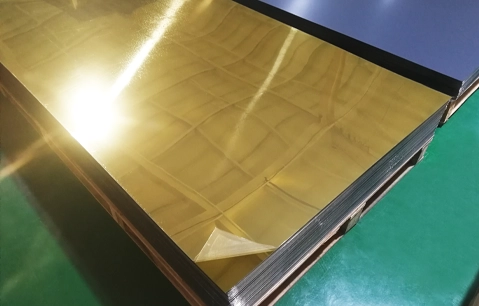
An acrylic mirror sheet weighs significantly less than glass of the same size. Standard formats such as the acrylic mirror sheet 4x8 allow installers to cover large areas efficiently while maintaining a manageable panel weight. This simplifies installation, reduces labor risks, and lowers the long-term burden on building structures. For facility managers responsible for safety compliance, this reduction in weight translates directly into lower maintenance concerns.

While safety discussions often focus on kindergartens or primary schools, older students and adults are not immune to accidents. In secondary schools and universities, students frequently carry sports equipment, musical instruments, and project materials. In some vocational schools, carts, tools, and training equipment move through hallways and classrooms daily.
There have been documented cases where glass mirrors installed in school dance studios or gym changing areas cracked or shattered after being struck by equipment or furniture. In one widely shared incident within a European secondary school, a glass mirror in a rehearsal room broke when a portable barre tipped over. Although no one was seriously injured, the incident led to the immediate closure of the space and an expensive replacement process, along with a review of material safety policies.

Mirrored acrylic mirrors respond differently to impact. Instead of shattering into sharp fragments, acrylic tends to absorb energy and deform. This characteristic significantly reduces the risk of injury in crowded learning environments. For this reason, many institutions now specify acrylic mirror solutions in spaces where accidental impact is possible, even when users are adults or older students.
Sports halls and performing arts facilities within educational campuses place unique demands on materials. Mirrors in these spaces must withstand humidity changes, temperature fluctuations, and frequent cleaning. Acrylic mirrors perform well under these conditions, maintaining stable reflection quality when manufactured with proper backing and protective coatings.
In university dance departments, mirrored acrylic mirrors are often installed along full-length walls to allow students to observe movement patterns and technique. Because acrylic mirror sheets can be produced in large sizes, designers can create seamless reflective surfaces that enhance the learning experience without the visual interruptions caused by multiple glass panels.

Similarly, in martial arts rooms and fitness training spaces, acrylic mirrors provide clear feedback while minimizing injury risk. Instructors value the ability to monitor groups through reflection, while students benefit from real-time visual correction.
Educational architecture increasingly emphasizes adaptable spaces that can be reconfigured for different teaching styles. Movable walls, modular furniture, and multifunctional rooms are becoming standard. Acrylic mirrors support this trend by offering greater flexibility in cutting, shaping, and mounting compared to glass.
Acrylic mirror sheets can be customized to fit curved walls, columns, or irregular layouts often found in renovated school buildings. This adaptability allows architects to integrate mirrors into learning environments without compromising design intent or safety standards. A large acrylic mirror can be mounted with concealed fixing systems that maintain a clean appearance while allowing for future modifications.

From an aesthetic perspective, mirrored acrylic mirrors help improve lighting efficiency by reflecting natural and artificial light. In classrooms and studios where daylight access is limited, this can contribute to a more comfortable learning atmosphere and reduce reliance on additional lighting fixtures.
Maintenance considerations play a significant role in material selection for educational institutions. Facilities teams often manage multiple buildings with limited resources, making durability and ease of upkeep essential. Glass mirrors, while scratch-resistant, are vulnerable to breakage and require careful handling during cleaning and inspection.
Acrylic mirror sheets, when properly specified, offer a balance between durability and maintainability. Surface scratches can be minimized with protective films during installation, and damaged panels are easier to replace due to their lighter weight. For large installations, such as an acrylic mirror sheet 4x8 mounted in a rehearsal room, replacement can often be completed with minimal disruption to class schedules.

Educational administrators also consider lifecycle costs. Although initial material prices may vary, the reduced risk of breakage and injury-related liability often makes acrylic mirrors a cost-effective choice over time.
Many educational institutions have transitioned from glass mirrors to acrylic alternatives following safety reviews or renovation projects. In several North American high schools, outdated glass mirrors in locker rooms and dance studios were replaced with mirrored acrylic mirrors after repeated cracking incidents. Facility reports from these schools noted a reduction in maintenance calls and improved confidence among staff supervising students.
In higher education settings, universities with large performing arts programs have adopted acrylic mirror sheets to meet modern safety standards while preserving visual quality. These projects often specify large acrylic mirror panels to reduce seams and create uninterrupted reflective surfaces that support instruction.
Educational institutions have a responsibility to provide safe, functional environments that support learning at every level. Material choices, including reflective surfaces, contribute directly to this goal. Acrylic mirrors offer a practical solution that aligns with the operational realities of modern education, balancing performance, safety, and design flexibility.
As educational spaces continue to diversify beyond traditional classrooms, the demand for materials that can adapt to varied uses will grow. The acrylic mirror, available in formats such as acrylic mirror sheet 4x8 and large acrylic mirror panels, meets these demands without introducing unnecessary risk. By understanding the limitations of glass mirrors and the advantages of acrylic alternatives, educators, architects, and facility managers can make informed decisions that enhance both safety and learning outcomes.
In this broader educational context, acrylic mirror sheets are not merely substitutes for glass. They represent a thoughtful response to the evolving needs of schools and universities, offering reflective clarity where it matters most while supporting the long-term well-being of the people who use these spaces every day.


