

Views: 0 Author: Site Editor Publish Time: 2025-12-25 Origin: Site


When selecting mirrors for residential, commercial, or industrial projects, many buyers often debate whether to choose acrylic mirror or glass mirror. While both materials serve similar functions, they behave quite differently under repeated cleaning cycles. This difference can be crucial when it comes to long-term durability, aesthetic appearance, and cost-effectiveness. Understanding how acrylic mirrors sheets and glass mirrors react after extensive cleaning can help buyers make better-informed decisions based on their specific needs.
In this article, we will explore the behavior of acrylic mirror sheet 4×8 and glass mirrors after repeated cleaning, including their susceptibility to scratching, discoloration, and overall maintenance requirements.
One of the primary reasons many buyers opt for acrylic mirrors is their lightweight nature compared to traditional glass mirrors. Acrylic is inherently more flexible and durable, which makes it less prone to breakage and cracking. However, despite its many benefits, acrylic mirrors sheets do have a few challenges when it comes to maintaining their appearance over time, especially after repeated cleaning cycles.

One of the most notable differences between acrylic mirror sheet and glass mirrors is their vulnerability to scratches. Acrylic is a softer material compared to glass, and repeated cleaning, especially with abrasive materials, can lead to visible scratches that compromise the reflective surface. Over time, these scratches become more pronounced, detracting from the mirror’s clarity and aesthetic appeal.
This is especially evident in acrylic mirror sheets used in high-traffic areas, such as gyms, bathrooms, or retail environments. As acrylic mirrors are exposed to constant cleaning, the likelihood of scratch accumulation increases, which is one of the reasons why proper care and cleaning techniques are critical.
In contrast, glass mirrors are far more resistant to scratches, thanks to their harder surface. However, this doesn’t mean that glass mirrors are impervious to damage. They can still suffer from cracks or chips if dropped or exposed to strong impacts. But when it comes to regular cleaning, glass mirrors are less likely to develop noticeable surface scratches than their acrylic counterparts.

Another critical factor to consider when comparing acrylic mirror vs glass mirror is their resistance to discoloration, particularly yellowing caused by environmental factors like UV exposure, cleaning products, or humidity. Acrylic mirrors, especially those used in outdoor applications or in spaces with high light exposure, tend to show signs of yellowing more quickly than glass mirrors.

Repeated cleaning cycles, especially when using harsh chemicals or ammonia-based cleaners, can accelerate the yellowing of acrylic mirrors sheets. While glass mirrors can also be affected by UV exposure over time, they tend to retain their original color much longer than acrylic mirrors, which is why glass mirrors are often preferred in areas where the mirror needs to maintain a pristine, unblemished appearance.
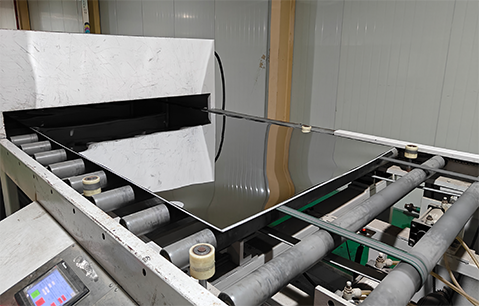
However, modern acrylic mirror sheet 4×8 panels often come with UV-resistant coatings that help slow down the yellowing process. These coatings can help preserve the mirror's clarity and color for a longer period, but they still require regular maintenance to remain effective.
While glass mirrors offer a number of advantages in terms of scratch resistance and color retention, they are not without their own maintenance challenges, especially when subjected to repeated cleaning cycles.
One of the most common issues with glass mirrors after multiple cleaning cycles is the accumulation of streaks and smudges. Glass mirrors tend to attract more watermarks and cleaning streaks than acrylic mirrors due to their smooth surface. These streaks can be difficult to remove, and often require specialized cleaning products designed to leave the surface streak-free.
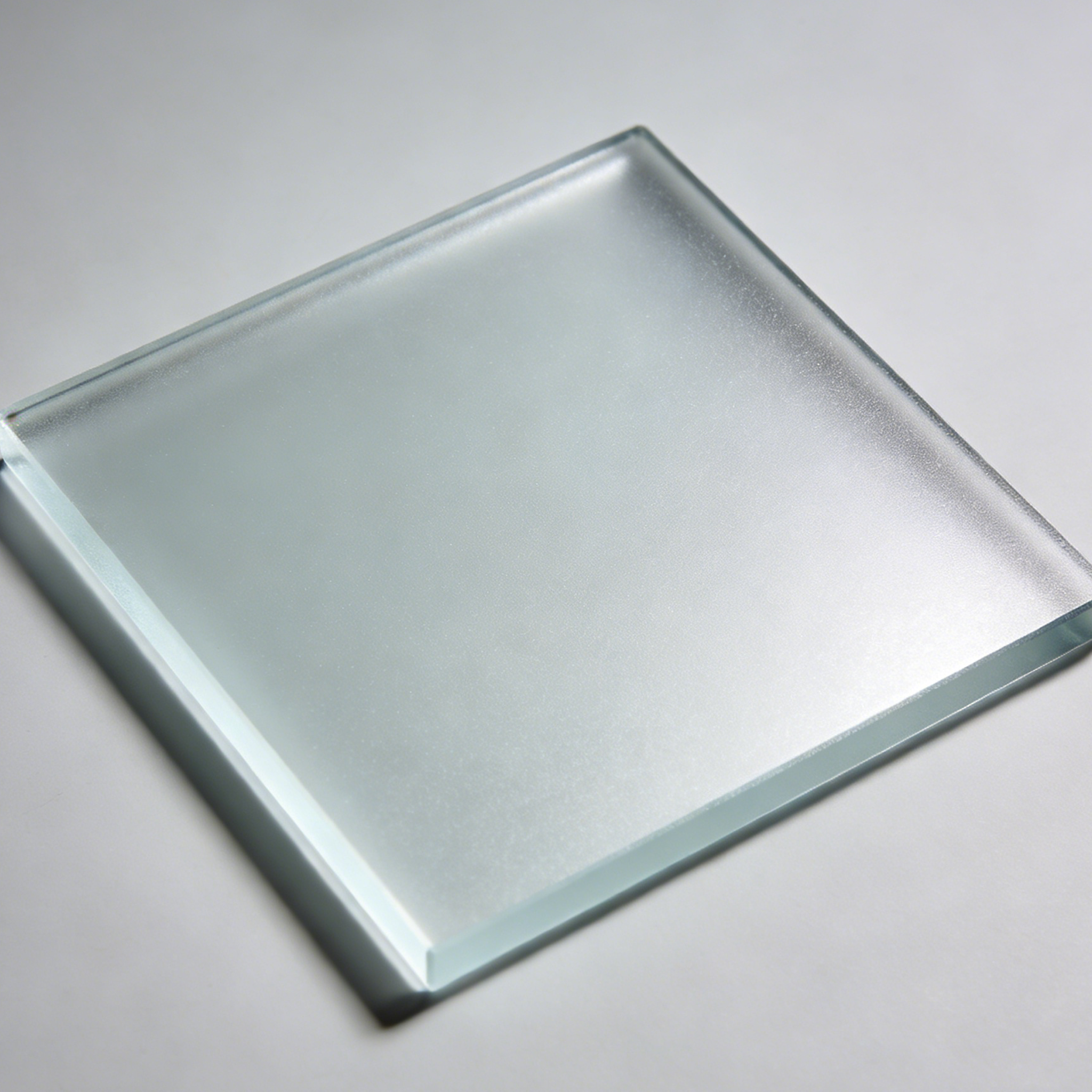
Unlike acrylic mirrors, which may resist some of these streaks due to their slightly textured surface, glass mirrors can present a bigger cleaning challenge, especially if they are not cleaned immediately after use. In areas with high humidity, such as bathrooms, glass mirrors may develop persistent water stains, making it difficult to maintain their clarity after frequent cleaning.
While acrylic mirrors are more susceptible to damage from certain cleaning chemicals, glass mirrors can also suffer from chemical damage if the wrong products are used. Over time, cleaners containing harsh acids or solvents can degrade the silvering on the back of the glass mirror, leading to discoloration and deterioration of the reflective coating. This damage is more noticeable in glass mirrors than in acrylic mirrors since acrylic mirrors are less dependent on a reflective coating that can be compromised.
Whether you're using acrylic mirror sheets or glass mirrors, adopting the right cleaning techniques is essential to preserving their appearance and extending their lifespan. For acrylic mirrors, always use a soft, microfiber cloth to gently wipe away dirt and dust. Avoid abrasive materials such as paper towels, which can cause scratches on the soft surface. It’s also best to use non-ammonia-based cleaners to prevent damage to the acrylic mirror sheet.
For glass mirrors, a soft cloth or squeegee can be used to clean the surface. Be sure to wipe in one direction to prevent streaking, and use a glass cleaner that does not contain harsh chemicals. Regularly cleaning glass mirrors will help maintain their clarity, but be mindful of watermarks that can develop if the mirrors are not dried promptly.
When comparing acrylic mirror vs glass mirror after repeated cleaning cycles, it’s clear that both materials offer distinct advantages and disadvantages. Acrylic mirrors are lightweight and shatterproof, making them ideal for environments where safety is a concern, such as in schools or gyms. However, they are more prone to scratches and yellowing with repeated cleaning. On the other hand, glass mirrors offer superior scratch resistance and color retention, but they may require more maintenance to keep them free of streaks and smudges.
The decision between acrylic mirror sheets and glass mirrors depends largely on the specific needs of the project, including the environment in which the mirrors will be used, the frequency of cleaning, and the desired aesthetic. Regardless of which material you choose, proper care and cleaning are essential to ensuring that your mirrors continue to perform well over time.


