Views: 0 Author: Site Editor Publish Time: 2025-11-03 Origin: Site


The acrylic industry is not only growing—it is changing. From raw material investments to recycling technologies and competing solutions like polycarbonate, the market is pushing suppliers to deliver smarter value to B2B buyers. Display fixture brands, advertising fabricators, and architectural contractors today purchase acrylic sheets based not only on clarity and ease of machining but also on supply chain confidence and sustainability credentials.

Recent global projections show the acrylic acid market rising from roughly USD 13.8 billion in 2025 to USD 18.2 billion by 2032, with around a 4% CAGR. This chemical is the backbone of PMMA—used to produce clear acrylic sheets, mirror acrylic sheet products, and light-diffusing material.
This market growth signals continued availability of core upstream resources. For procurement teams planning yearly rollout fixtures or architectural lighting programs, material stability is essential. What buyers increasingly ask is not only “Can you supply?” but “Can you still supply when others can’t?”—especially for 4x8 acrylic sheet bulk formats used universally across CNC fabrication lines.
Companies like ours integrate this industry forecast into purchasing decisions to ensure consistent resin sourcing, helping B2B partners avoid price spikes and sudden delays during major campaigns.
Market reports indicate that while acrylic and polycarbonate will grow together through 2029, PC is taking slices of impact-resistant applications—putting new pressure on acrylic sheet suppliers.
That competition is good news for buyers: it raised the bar.
The question becomes:
Where does acrylic still win commercially?
In display structures demanding high optical clarity
When lighter weight reduces installation labor and logistical cost
Where clean laser-finished edges replace mechanical polishing hours
When a brand must refresh visual campaigns frequently without breakage risk
This is why retailers still choose acrylic for illuminated counters and logo walls, why architects select clear light acrylic sheet in subway and airport guidance systems, and why advertising firms rely on fast prototyping to secure pitches.
Our role is to monitor resin pricing, secure reliable logistics, and help clients choose the most cost-effective material for their real-world environments—not just numbers in a spec sheet.
In Japan and Europe, pioneers like Sumitomo Chemical and the REFLO Process in the UK are pushing PMMA recycling into commercial viability. This has shifted acrylic from a purely plastics-based choice into a circular-ready material with clear green-supply potential.
B2B buyers working with global retail brands now include sustainability metrics in RFQs:
Is the material recyclable?
Does your supplier support waste reduction in fabrication?
Can sustainability claims withstand audit?
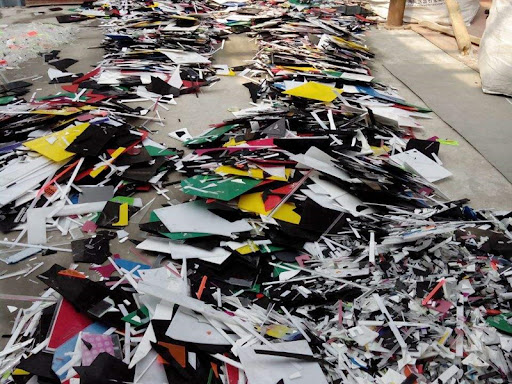
We are aligned with this transition. By optimizing cutting yields on 4x8 acrylic sheet formats, supporting waste-return initiatives with clients, and sourcing lower-carbon PMMA options where projects require, acrylic becomes not just a design surface but a responsible industrial choice.
In tenders involving airports, malls, cultural spaces, and government-funded developments—this matters more every year.
The sectors with the fastest growth in acrylic usage are those where visual performance and installation efficiency directly impact revenue:
Display fixture manufacturers can scale fast because acrylic CNCs cleanly, avoids chipping, and reduces polishing time.
Decoration contractors prefer lightweight panels, cutting both construction risks and overhead.
Advertising production companies depend on adaptable material—mirror acrylic sheet, diffusing panels, edge-lit clear light acrylic sheet—to impress clients on tight deadlines.
Acrylic responds to what modern builds demand:
Low weight → lower handling risk
High clarity → stronger brand presentation
Easy fabrication → predictable delivery timelines
That is how B2B teams protect their profits.
After years of supporting global rollout campaigns, we understand that the most valuable promise isn’t “brightness” or “clarity”—it is never delaying an opening.
Our supply strategy includes:
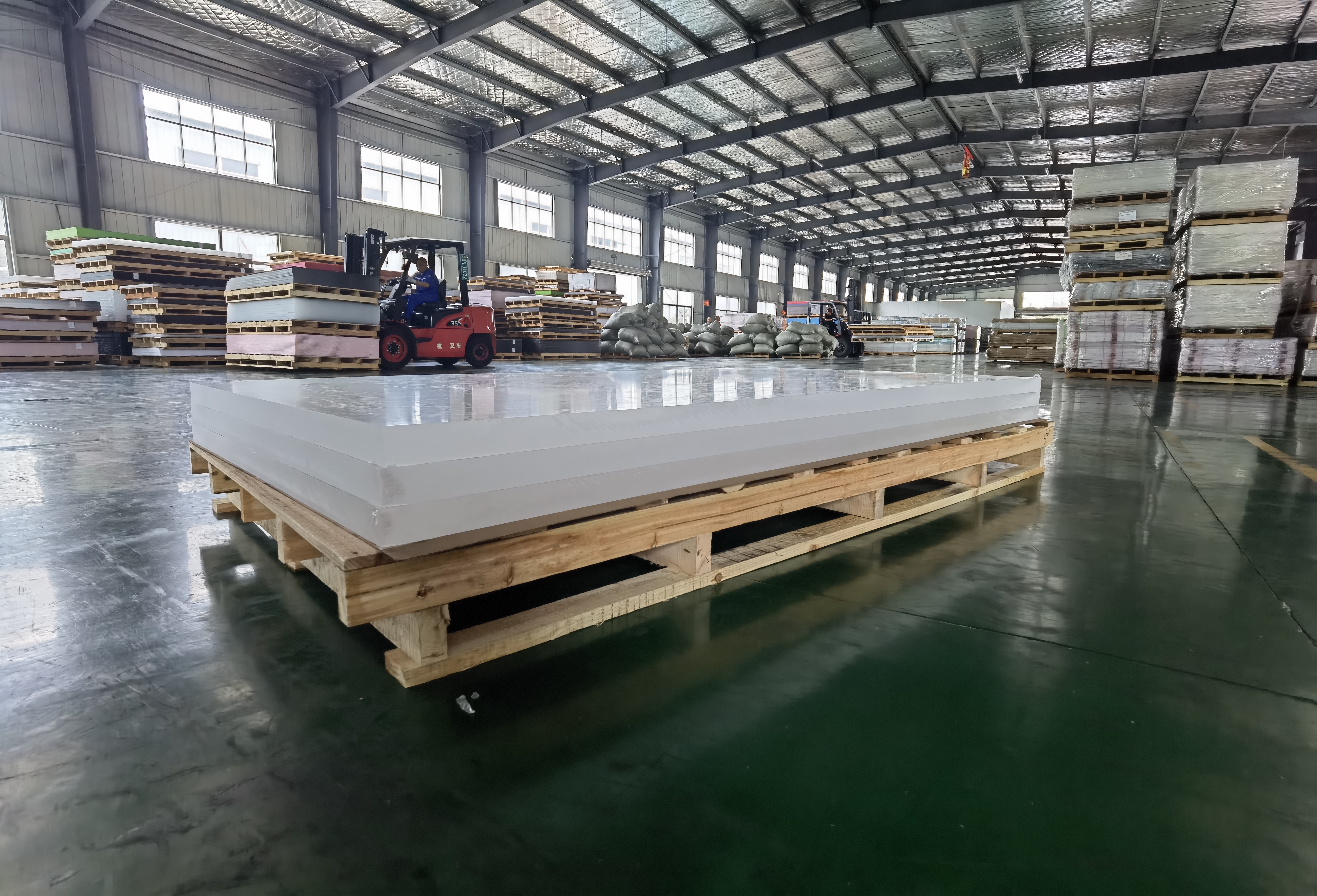
Standard stock in multiple thicknesses and finishes
Bulk-ready 4x8 acrylic sheet packaging designed for overseas handling
Mirror, lighting-grade, and printing-grade sheets for distinct professional needs
Dedicated QC for color consistency in repeat retail projects
In a market shaped by raw material pricing and environmental requirements, a supplier capable of stable fulfillment and technical support becomes a competitive asset.