

Views: 0 Author: Site Editor Publish Time: 2026-08-09 Origin: Site


Architectural and visual merchandising designs are shifting toward lightweight, shatter-resistant reflective surfaces in high-traffic luxury environments. Designers and contractors must balance the demand for premium, high-gloss metallic aesthetics with strict safety codes, weight limitations, and complex fabrication requirements in commercial spaces. Traditional glass and heavy metals often present structural liabilities or fabrication bottlenecks that delay project rollouts. We need reflective surfaces that mimic the depth of traditional glass without the associated dead weight. An objective evaluation of how modern gold and acrylic mirror products perform against traditional glass and PVD-coated metals reveals distinct advantages. We will examine these materials focusing on visual fidelity, fabrication limits, aesthetic versatility, and long-term durability. Understanding these physical properties ensures your next interior rollout meets both safety mandates and high-end design expectations.
Safety and Weight: Acrylic mirrors offer up to 10x the impact resistance of traditional glass at half the weight, making them critical for overhead installations and high-traffic retail zones.
Fabrication Flexibility: Unlike glass or heavy metals, acrylic allows for precise laser cutting, routing, and thermoforming, enabling complex geometric designs and custom luxury signage.
Aesthetic Versatility: Beyond standard high-gloss finishes, modern manufacturing allows for custom metallic tints (such as rose gold, silver, and copper) and selective distressing for antique patina effects, broadening design possibilities.
The Distortion Factor: Acrylic is flexible; achieving a true, distortion-free reflection requires rigid, perfectly flat substrates and correct adhesive application to prevent the "funhouse effect."
Surface Vulnerability: While highly impact-resistant, acrylic is more prone to surface scratching than glass, necessitating specific maintenance protocols and careful placement in commercial interiors.
Selecting the right reflective material dictates the overall success of a commercial interior project. High-end environments demand flawless execution from the initial framing to the final polish. You must evaluate materials against stringent criteria to ensure they perform visually and structurally over time. A material that looks good on a sample board might fail completely when scaled up to a twenty-foot feature wall.
Luxury spaces tolerate zero optical distortion. Fitting rooms, jewelry display cases, and cosmetic counters require pristine reflections. Customers interact closely with these surfaces, and any warping immediately degrades the perceived value of the merchandise. Achieving this level of visual fidelity with flexible materials requires meticulous specification. You must account for material thickness, backing integrity, and substrate flatness. A high-quality reflective sheet provides a crisp, luminous return of light. It enhances the spatial perception of the room without altering the geometry of the reflected objects.
To guarantee visual fidelity during the specification phase, project managers should follow these evaluation steps:
Request a minimum 24x24-inch sample of the reflective material to test for inherent bowing.
Place the sample against the exact substrate planned for the final installation.
Illuminate the surface using the specific color temperature (Kelvin) and Color Rendering Index (CRI) lighting planned for the retail space.
Observe the reflection from multiple angles, specifically checking straight lines in the background for any signs of curvature or waving.
Public retail spaces, hotels, and hospitality venues operate under strict commercial fire codes and shatter-resistance mandates. Traditional glass poses severe safety risks in high-traffic areas. Accidental impacts from shopping carts, luggage, or heavy foot traffic can result in dangerous shattering. Modern building codes often restrict the use of heavy, breakable materials in overhead installations or high-touch zones. Reflective surfaces must meet specific impact ratings. Specifying materials that inherently resist shattering mitigates liability and ensures compliance.
Multi-location luxury retail brand updates require absolute material consistency. A flagship store in New York must match a boutique in London perfectly. You must evaluate the scalability of the chosen material. Consider manufacturing consistency across large batches. Heavy materials complicate logistics. They require specialized handling, heavy-duty crates, and increased shipping timelines. Lightweight alternatives streamline distribution. They allow installation teams to execute rapid overnight retrofits without structural reinforcements. Consistent material performance across diverse global climates is non-negotiable for large-scale rollouts.
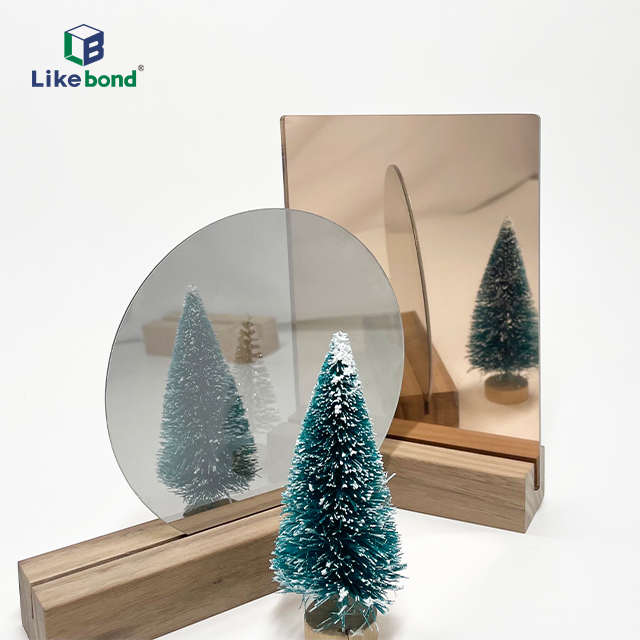
Understanding the physical differences between modern polymers and traditional materials dictates how you plan the build. Each option presents unique structural behaviors and fabrication limits. We must compare these materials directly to determine the most appropriate application for your project.
Traditional glass has long been the standard for reflective surfaces. However, its physical limitations often restrict modern architectural designs. We must analyze how acrylic alternatives solve these inherent structural challenges on the job site.
Glass is exceptionally heavy. A standard 1/4-inch thick glass mirror weighs roughly 3.2 pounds per square foot. Large-format glass mirrors require substantial structural support. Walls often need heavy timber blocking or reinforced steel framing before installation. This adds time and complexity to the build. Acrylic cuts this weight in half, coming in at roughly 1.5 pounds per square foot for the same thickness. You can install large acrylic panels on standard drywall or lightweight partition walls using appropriate anchors and adhesives. This weight reduction is mandatory for ceiling features and suspended architectural elements. It eliminates the need for heavy-duty mechanical rigging. Lightweight panels also reduce worker fatigue during installation. Two workers can maneuver a 4x8 sheet of acrylic safely, whereas the same size in glass requires suction cups and a four-person team.
Impact resistance is a primary concern in commercial environments. Standard mirror glass breaks into dangerous, jagged shards upon impact. This poses a significant risk to public safety and opens the property owner to liability. Acrylic offers up to ten times the impact resistance of standard glass. It absorbs blunt force effectively. When pushed beyond its extreme limit, acrylic cracks rather than shattering explosively. This characteristic makes it mandatory for specific high-risk zones. Gyms, fitting rooms, and interactive retail displays benefit immensely from this shatter-resistant profile.
Designers frequently specify Physical Vapor Deposition (PVD) coated metals for luxury metallic finishes. While highly durable, heavy metals present significant fabrication hurdles. Acrylic offers a compelling alternative for achieving similar aesthetics with greater flexibility.
Working with stainless steel requires specialized metalworking equipment. Cutting, bending, and finishing heavy metals demand significant labor hours and specialized tradesmen. On-site modifications are nearly impossible without a grinder or waterjet, which creates sparks, noise, and debris. Acrylic transforms the fabrication process. Standard woodworking tools cut and route acrylic sheets easily. CNC machines and laser cutters achieve intricate geometries rapidly. This flexibility allows installers to make precise on-site adjustments. You can trim panels with a track saw to accommodate uneven floors or unexpected architectural quirks. The reduction in specialized labor accelerates project timelines significantly.
PVD electroplating provides a tough surface but limits custom color matching. The process is rigid and requires massive minimum order quantities for custom tints. Acrylic manufacturing utilizes a multi-layer process. A base coat prepares the surface. A vacuum-metallized layer provides the reflection. Manufacturers can apply selective distressing or patina for antique looks. A protective clear coat seals the finish. This layered approach allows for precise color tuning. You can achieve exact brand-specific metallic tints. Rose gold, champagne, and aged brass variations are easily produced. The resulting finish is consistent across massive production runs.
| Material Type | Weight Profile (1/4" thickness) | Impact Resistance | Fabrication Flexibility | Primary Application |
|---|---|---|---|---|
| Acrylic Mirror | ~1.5 lbs / sq ft | High (Up to 10x glass) | Excellent (Laser cut, route, drill) | Signage, overhead features, retail displays |
| Traditional Glass | ~3.2 lbs / sq ft | Low (Prone to shattering) | Poor (Requires specialized scoring/cutting) | High-touch areas, zero-distortion walls |
| PVD Stainless Steel | ~10.0+ lbs / sq ft | Extreme (Dent resistant) | Moderate (Requires metalworking tools) | Elevator cabs, exterior architectural cladding |
The versatility of lightweight reflective polymers opens up distinct architectural possibilities. Designers leverage these materials to solve specific spatial and structural challenges. Here is how leading brands utilize these surfaces in commercial environments.
Visual merchandising relies on lighting and reflection to highlight premium products. Heavy glass limits the design of modular fixtures. Utilizing a gold acrylic mirror sheet to line display cases transforms the presentation of high-end jewelry, watches, and luxury fashion accessories. The metallic tint warms the ambient lighting. It creates a luxurious backdrop that enhances the product's perceived value. Because the material is lightweight, store staff can easily reconfigure modular display units. You can update seasonal pop-up shops rapidly without requiring heavy lifting equipment or specialized installation crews. Millworkers often route shallow channels into the display casework, allowing the acrylic panels to slide in and out for quick seasonal changeovers.
Large-format reflective panels create illusions of expansive space in tight corridors. Hotel lobbies and hospitality venues frequently integrate these elements. Weight restrictions often prohibit traditional glass in elevator cabs. Elevators have strict payload capacities, and adding hundreds of pounds of glass requires re-engineering the counterweights. Acrylic panels provide the necessary reflective aesthetic without exceeding weight limits. They install quickly using structural adhesives and VHB tape. This minimizes elevator downtime during renovations. In lobbies, you can mount massive continuous panels to create dramatic feature walls. The lightweight nature allows for seamless floor-to-ceiling installations that would be structurally impossible with glass.
Bespoke retail fixtures require intricate detailing. Incorporating reflective acrylic into cash wraps, decorative wall frame molding inserts, and boutique seating accents provides a high-end finish. Traditional glass is too heavy and fragile for furniture inlays. It chips easily during daily use when vacuum cleaners or shoes bump against the baseboards. Acrylic routes perfectly to fit flush within custom millwork. You can integrate it into curved reception desks through thermoforming. The material bends to match the radius of the woodwork when heated properly. This creates a cohesive, high-gloss accent that withstands the vibrations and impacts typical of commercial furniture usage.
Storefront branding demands precision and visual impact. Laser-cutting compatibility makes acrylic the premier choice for custom signage. You can create intricate, high-gloss 3D logos and dimensional lettering. The laser seals the edge as it cuts, preventing delamination of the metallic backing. These dimensional letters catch the light dynamically. They mount easily to interior walls or exterior facades using hidden standoffs or double-sided mounting tape. The crisp edges and flawless metallic finish project a premium brand identity. You cannot achieve this level of intricate detailing efficiently with traditional glass or heavy steel.
Despite its advantages, acrylic requires specific handling and installation techniques. Failure to account for its physical properties results in subpar installations. You must anticipate and mitigate these risks during the planning phase.
The most significant risk when specifying acrylic is optical distortion. Acrylic is inherently flexible. It conforms to the surface behind it. If you mount it to an uneven wall, the reflection will warp. This creates an unacceptable funhouse effect. Mitigation requires strict adherence to the substrate rule. You must specify the appropriate material thickness. A 3mm sheet is suitable for small inserts, but large wall panels require 6mm thickness for rigidity. Furthermore, you must mount the acrylic to a perfectly plumb, rigid substrate. High-density MDF or thick plywood provides the necessary flat backing. Never apply acrylic directly to textured drywall or bare studs.
Improper fabrication techniques ruin the material before installation begins. Cutting acrylic too quickly causes heat buildup. This melts the polymer and chips the edge. It can also cause the metallic backing layer to delaminate. Use specific acrylic-cutting saw blades with a high tooth count, typically 60 to 80 teeth for a standard circular saw. Feed the material at a controlled, steady rate. Thermal expansion is another critical reality. Acrylic expands and contracts with temperature fluctuations. When installing large panels in environments with changing temperatures, you must leave adequate expansion gaps at the perimeter. Failing to do so causes the panel to bow outward, instantly distorting the reflection.
Choosing the wrong adhesive destroys the mirror backing. Solvent-based adhesives eat through the protective coating and dissolve the metallized layer. This leaves permanent dark spots visible from the front. You must evaluate the installation type and select the correct bonding agent.
Ensure the substrate is completely free of dust, grease, and loose debris.
Apply a specialized, non-solvent mirror mastic formulated specifically for acrylic.
Apply the adhesive in vertical beads, spaced roughly 5 to 6 inches apart. Do not apply adhesive in circles or loops. Vertical beads allow trapped air to escape during installation.
Press the panel firmly against the substrate, using a J-roller to ensure even contact without creating pressure points.
Support the bottom edge of the panel with temporary blocks until the mastic cures completely.
Long-term success depends on proper maintenance and understanding the material's lifecycle. You must train facility teams on specific protocols to preserve the high-gloss finish. Proper management ensures the installation remains pristine for years.
The physical properties of acrylic streamline the installation phase. Reduced shipping weight lowers logistical friction. Materials arrive on-site faster and require less heavy machinery to unload. You need fewer installers to handle large panels. This efficiency accelerates project timelines. Faster fabrication times mean custom cuts or replacements happen rapidly. You can turn over retail spaces quicker, minimizing operational downtime. This streamlined process is highly beneficial for aggressive multi-location rollout schedules where store closures must be kept to an absolute minimum.
Acrylic is softer than glass. It is highly susceptible to micro-abrasions if cleaned improperly. Standard commercial cleaning practices will ruin the surface. You must implement strict micro-abrasion prevention protocols. Never use paper towels or dry rags. They drag dust particles across the surface, creating swirl marks. Identify and mandate safe cleaning agents. Strictly avoid ammonia, bleach, or abrasive chemical cleaners. These strip the protective clear coats and cloud the acrylic. Use only clean, high-quality microfiber cloths paired with specialized plastic cleaners or a simple solution of mild dish soap and water. Gentle wiping preserves the luminous metallic finish indefinitely.
Request physical material samples to test reflectivity and color accuracy under your specific retail lighting conditions.
Consult with fabrication partners early to verify substrate requirements and thermal expansion tolerances for large panels.
Update your facility maintenance guidelines to mandate specific ammonia-free cleaning protocols and microfiber cloths for all acrylic surfaces.
Specify minimum thickness requirements of at least 6mm for any large-format wall installations to guarantee optical flatness.
Use only non-solvent mirror mastic applied in vertical beads when permanently mounting panels to rigid MDF substrates.
A: It is a continuously processed acrylic sheet featuring a vacuum-metallized backing. This backing is layered with a base coat, a metallic layer, optional patina distressing, and a protective clear coat. This process creates a highly reflective, durable, and lightweight gold-tinted surface.
A: Yes, gold acrylic mirror sheets are highly compatible with laser cutting. The laser provides a clean, polished edge and seals the metallic backing simultaneously. This allows for precise, intricate shapes ideal for luxury signage and custom dimensional decor.
A: To prevent distortion, use a thicker acrylic sheet, typically between 3mm and 6mm. You must mount it to a completely flat, rigid substrate like MDF or thick plywood. Use non-solvent, evenly distributed adhesives applied in vertical beads to prevent localized tension.
A: While highly shatter-resistant, standard acrylic is softer than glass and more prone to surface scratching. It requires specialized maintenance. You must clean it exclusively with clean microfiber cloths and non-abrasive, ammonia-free plastic cleaners to prevent micro-abrasions.
A: Self-adhesive or peel-and-stick options are best for lightweight decor, temporary visual merchandising, or perfectly flat wall frame inserts. For permanent, large-scale architectural applications, you should use mechanical fasteners or professional-grade, non-solvent structural adhesives for secure mounting.


