


Acrylic mirrors have gained widespread popularity in various industries due to their versatile nature, lightweight design, and durability. They are often used in applications ranging from home decor to industrial uses, replacing traditional glass mirrors in many cases. In this article, we will explore how acrylic mirrors are made, the benefits they offer, and how they compare to glass mirrors. By understanding the manufacturing process, we can better appreciate the unique properties of acrylic mirrors.
What is Acrylic Mirror?
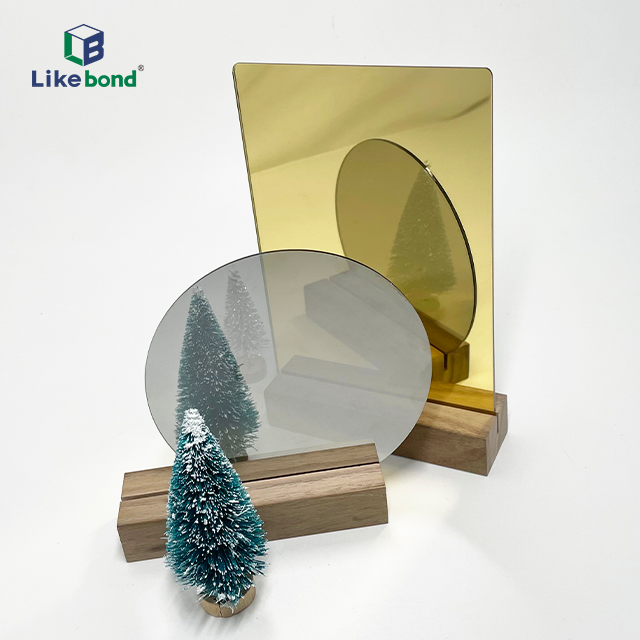
An acrylic mirror is a reflective surface made from polymethyl methacrylate (PMMA), commonly known as acrylic or Plexiglas. Unlike traditional glass mirrors, which are made from glass substrates coated with reflective materials, acrylic mirrors are lightweight, shatter-resistant, and offer high durability. They are produced by applying a reflective metallic layer onto acrylic sheets, creating a mirror-like surface.
The main characteristics that differentiate acrylic mirrors from glass mirrors include:
Lightweight: Acrylic mirrors are much lighter than glass mirrors, making them easier to handle and install.
Shatter-resistant: Acrylic is known for its toughness and resistance to breakage, making it safer than glass in many environments.
Versatility: Acrylic mirrors can be easily cut, shaped, and customized for a variety of applications.
How is Acrylic Mirror Made?
The process of manufacturing an acrylic mirror involves several key steps, starting from the production of the acrylic sheet to the application of the reflective coating. Below, we outline the general process used to make acrylic mirrors.
1. Acrylic Sheet Production
The first step in creating an acrylic mirror is to produce the acrylic sheet. Acrylic sheets are made from polymerized polymethyl methacrylate (PMMA), which is created by polymerizing liquid monomers under controlled conditions. The liquid monomers are mixed with catalysts to initiate the polymerization process, forming a solid sheet of acrylic.
The production of acrylic sheets can be done through several methods, including:
Extrusion: In this process, the acrylic material is melted and forced through a mold to form sheets of various thicknesses. This is the most common method used for mass production of acrylic sheets.
Casting: Acrylic casting involves pouring liquid acrylic resin into a mold, where it hardens over time. This method produces higher-quality sheets with a smoother surface but is slower and more expensive than extrusion.
The resulting acrylic sheets are cut to the desired size and shape, ready for the next steps in the mirror-making process.
2. Coating the Acrylic Sheet with Reflective Material
Once the acrylic sheet is produced, it is coated with a reflective material to create the mirror effect. The most common reflective material used for acrylic mirrors is aluminum. The aluminum layer is applied to the back of the acrylic sheet, which is then polished to create a smooth, reflective surface.
The process of coating the acrylic sheet with aluminum typically involves the following steps:
Vacuum deposition: This process involves placing the acrylic sheet in a vacuum chamber, where aluminum is evaporated and deposited onto the surface of the sheet. The result is a thin, even layer of reflective aluminum that bonds to the acrylic sheet.
Spray coating: In some cases, the acrylic sheet may be sprayed with a reflective coating, such as silver nitrate or other metal compounds, to achieve a mirror-like finish. This process is less common than vacuum deposition but can be used for specific applications.
The reflective coating is carefully applied to ensure uniformity and optimal reflectivity. Once the aluminum coating is applied, the acrylic sheet is allowed to cool and harden.
3. Polishing and Finishing
After the reflective coating is applied, the acrylic mirror undergoes a polishing process to enhance its shine and smoothness. This step ensures that the mirror surface is free from imperfections and that the reflective quality is at its best.
Polishing can be done using specialized machines that buff the acrylic mirror surface with fine abrasives. The aim is to create a high-gloss finish that maximizes the mirror's reflective properties.
In addition to polishing, the edges of the acrylic mirror are often finished to remove any rough spots from the cutting process. The edges are typically beveled or rounded, depending on the desired aesthetic and application.
4. Protective Coating (Optional)
To enhance the durability of the acrylic mirror, a protective coating is sometimes applied to the front surface. This layer helps protect the reflective coating from scratches, abrasion, and environmental damage, which can degrade the mirror over time.
The protective coating may be a clear, durable resin that provides additional resistance to damage and ensures the longevity of the acrylic mirror. It also helps maintain the mirror's reflective properties and prevents discoloration.
5. Custom Cutting and Shaping
Once the acrylic mirror is finished, it can be cut and shaped into various sizes and configurations to suit specific applications. Acrylic mirrors are versatile and can be molded into custom shapes, including circular, oval, or irregular shapes, making them ideal for unique design projects.
This step involves the use of specialized cutting tools, such as laser cutters, water jets, or CNC machines, to create precise and intricate shapes. The flexibility of acrylic mirrors allows for a wide range of design possibilities.
Acrylic Mirror vs Glass Mirror: A Comparison
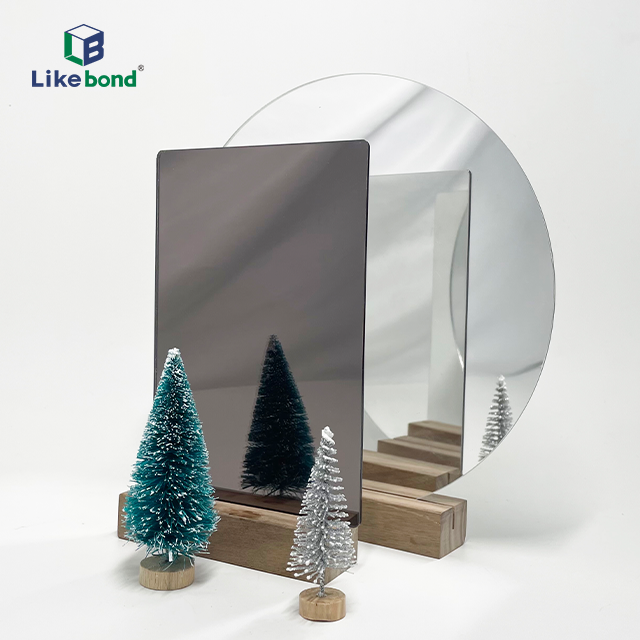
When choosing between acrylic mirrors and glass mirrors, it is essential to consider the specific needs of the application. Below is a comparison of the key differences between these two types of mirrors:
| Property | Acrylic Mirror | Glass Mirror |
|---|---|---|
| Weight | Lightweight, easier to handle | Heavy and requires more support |
| Durability | Shatter-resistant, more durable | Prone to breaking or shattering |
| Clarity | Lower optical clarity compared to glass | Higher optical clarity and sharper reflection |
| Cost | Generally more affordable | More expensive |
| Customization | Can be easily cut, shaped, and drilled | Difficult to cut or modify |
| Applications | Suitable for a wide range of applications, including decorative uses, safety mirrors, and automotive mirrors | Typically used for home decor, bathroom mirrors, and high-end applications |
Acrylic mirrors offer significant advantages in terms of weight, safety, and customization. However, glass mirrors are often preferred in applications where superior optical clarity and high-end aesthetics are essential.
Applications of Acrylic Mirrors
Acrylic mirrors are used in various industries due to their lightweight and durable nature. Some common applications of acrylic mirrors include:
Interior Design: Acrylic mirrors are widely used in home decor, where their shatter-resistant properties make them safer for families and children. They can be used in decorative wall mirrors, furniture, and even art installations.
Automotive Industry: Acrylic mirrors are often used in vehicles, especially in side-view mirrors and rear-view mirrors, due to their durability and light weight.
Security Mirrors: Acrylic mirrors are ideal for use in areas where safety is a concern, such as in public spaces, warehouses, and parking lots. Their lightweight and shatterproof nature make them a preferred choice for security mirrors.
Signage and Advertising: Acrylic mirrors are frequently used in signage and advertising displays, where their reflective properties help attract attention and create visual impact.
Retail and Display: Acrylic mirrors are commonly used in retail displays, especially in stores that sell cosmetics, jewelry, and fashion accessories, as they are lightweight and easy to handle.
FAQs
1. What is the difference between mirrored acrylic and acrylic mirror?
Mirrored acrylic refers to acrylic sheets that have been coated with a reflective material, typically aluminum, to create a mirror-like surface. Acrylic mirror is simply a general term for any acrylic sheet that has been treated to have a reflective finish. The two terms are often used interchangeably, but mirrored acrylic is the material that results in the reflective surface.
2. Can acrylic mirrors be used outdoors?
Yes, acrylic mirrors can be used outdoors, but their durability in harsh weather conditions depends on the type of protective coating applied. If an acrylic mirror has a UV-resistant coating, it will perform better in outdoor environments. However, prolonged exposure to direct sunlight may cause the reflective coating to degrade over time.
3. How do acrylic mirrors compare to glass mirrors in terms of clarity?
While acrylic mirrors are highly reflective, they generally do not offer the same level of optical clarity as glass mirrors. Acrylic mirrors may have a slightly distorted reflection, especially if the acrylic sheet is thicker. Glass mirrors, on the other hand, provide sharper and more precise reflections.
4. Are acrylic mirrors easy to maintain?
Yes, acrylic mirrors are relatively easy to maintain. They can be cleaned with mild soap and water, and their lightweight nature makes them easy to handle. However, they may scratch more easily than glass mirrors, so care should be taken when cleaning.
5. Can acrylic mirrors be used for large applications?
Yes, acrylic mirrors are available in large sheets and can be used for large applications such as full-length mirrors, wall coverings, and even in architecture. Their flexibility in size and shape makes them suitable for a variety of large-scale projects.
Conclusion
Acrylic mirrors are a versatile and cost-effective alternative to traditional glass mirrors. Their lightweight, shatter-resistant properties make them ideal for a wide range of applications, from interior design to automotive uses. The process of making an acrylic mirror involves several steps, including the production of the acrylic sheet, the application of a reflective coating, and the final polishing and shaping. With their many advantages, acrylic mirrors are becoming increasingly popular in both consumer and industrial markets.


