

Views: 0 Author: Site Editor Publish Time: 2025-11-28 Origin: Site


Acrylic mirrors have become a popular choice for many applications, from home décor to commercial settings, thanks to their versatility, durability, and lightweight nature. However, with the rise in popularity of acrylic mirrors, many people often wonder how to distinguish them from glass mirrors. Understanding how to tell if a mirror is acrylic is essential for both consumers and professionals who want to make informed decisions when purchasing or using mirrors in various projects.
In this article, we will delve into everything you need to know about identifying acrylic mirrors, including their characteristics, how they compare to glass mirrors, and the best methods to confirm whether your mirror is made of acrylic. By the end, you will have the knowledge to accurately identify and choose the right mirror for your needs.
An acrylic mirror is made from a type of plastic called polymethyl methacrylate (PMMA), often referred to as plexiglass. It is a lightweight alternative to traditional glass mirrors but offers similar reflective qualities. Acrylic mirrors are widely used in applications where weight and durability are essential, such as in vehicles, signage, and interior design.
Unlike glass mirrors, which are made by applying a reflective coating to glass, acrylic mirrors use a plastic substrate that is coated with a reflective material. This makes acrylic mirrors more flexible, less prone to shattering, and safer to use in certain environments.
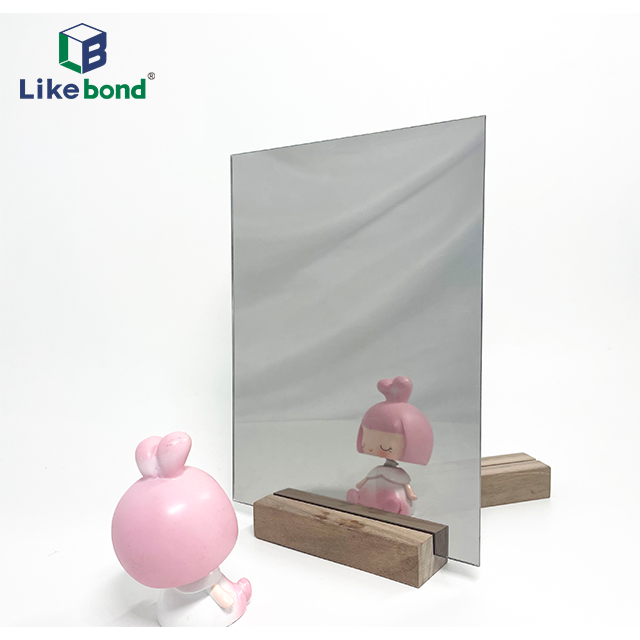
To tell if a mirror is acrylic, it’s essential to recognize the distinct features of acrylic mirrors. Here are some key characteristics that set acrylic mirrors apart from glass mirrors:
Acrylic mirrors are significantly lighter than glass mirrors. This is one of the most noticeable differences. Acrylic is much less dense than glass, making it a preferred choice for installations where weight is a concern, such as in vehicles or hanging mirrors.
Acrylic mirrors are more flexible than glass mirrors. While they are not as flexible as some other types of plastics, they do have a slight bendability. This feature is especially beneficial when it comes to transportation and installation, as the mirror is less likely to crack or break.
Acrylic mirrors are more prone to scratching compared to glass mirrors. While they are durable, their surface can be easily scratched with rough handling or abrasive cleaning tools. However, it’s worth noting that there are acrylic mirrors with enhanced scratch-resistant coatings available.
Acrylic mirrors provide excellent reflection, but their reflective quality may not be as perfect as glass mirrors. The reflective coating on acrylic mirrors may slightly affect the clarity of the reflection, though this is usually not noticeable in most applications.
Acrylic mirrors are much more impact-resistant than glass mirrors. This makes them an excellent choice for environments where safety is a concern, such as in schools, playgrounds, or areas with high foot traffic.
Acrylic mirrors may have slight distortion, especially when viewed from angles. Glass mirrors, on the other hand, tend to provide a clearer, more undistorted reflection. However, for most everyday uses, acrylic mirrors offer sufficient clarity.
The first step in identifying whether a mirror is acrylic is by visually inspecting it. Here are a few things to look for:
Edge Appearance: Acrylic mirrors often have smoother, rounded edges, especially when they are cut with a laser. Glass mirrors, in contrast, tend to have sharper edges unless they have been specially polished.
Thickness: Acrylic mirrors are generally thinner than glass mirrors. If you can see a thin, lightweight mirror, there’s a good chance it is made from acrylic.
Surface Quality: While both acrylic and glass mirrors can have a glossy surface, acrylic mirrors may show small imperfections or waviness on the surface due to the nature of the material.
The weight of the mirror is one of the most reliable indicators of whether it is made of acrylic or glass. Acrylic mirrors are much lighter than glass mirrors. To perform a simple weight test, carefully pick up the mirror and compare its weight to a glass mirror of a similar size. If the mirror feels significantly lighter, it is likely made of acrylic.
Acrylic mirrors are more flexible than glass mirrors. You can gently try to bend the mirror by pressing on the edges (without applying excessive force). If the mirror flexes slightly without breaking, it is made of acrylic. Glass mirrors, on the other hand, will crack or break if bent.
As mentioned earlier, acrylic mirrors are more prone to scratching than glass mirrors. Using a soft cloth, try gently rubbing the surface with a small amount of pressure. If the surface gets scratched easily, it’s likely an acrylic mirror. However, be careful not to cause damage during this test.
Acrylic mirrors tend to transmit more light than glass mirrors due to their thinner material. Hold the mirror up to a light source and observe how much light passes through the edges. If you see light shining through, it may be an acrylic mirror. Glass mirrors typically do not allow light to pass through in the same way.
Tap the surface of the mirror gently with a small object. Acrylic mirrors produce a duller, less resonant sound compared to glass mirrors, which produce a clearer, ringing sound. This difference in acoustics can be a useful method for identifying acrylic mirrors.
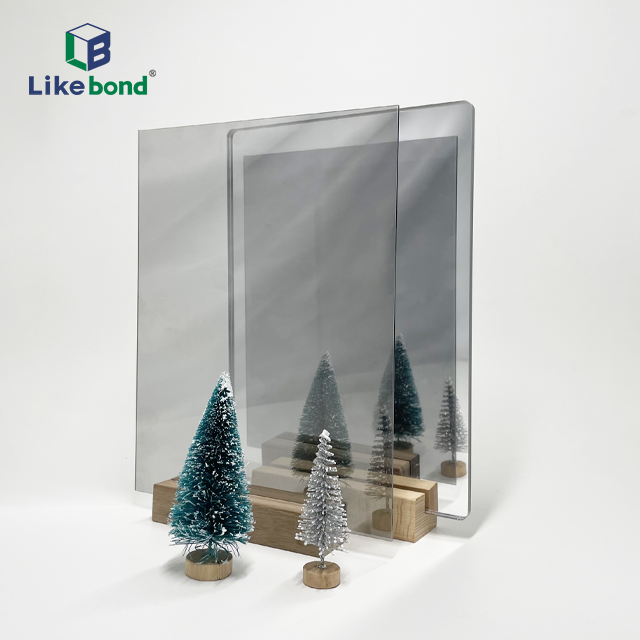
If you have an acrylic mirror that needs to be cut, it’s essential to use the correct tools and techniques to avoid damaging the material. Here are some tips on how to cut acrylic mirror:
To cut acrylic mirrors, you will need the following tools:
Measuring Tape: To measure the dimensions of the mirror accurately.
Acrylic Cutter: A special tool designed for scoring acrylic material.
Clamps: To secure the acrylic mirror in place while cutting.
Straight Edge: To guide your cutting tool in a straight line.
Safety Gear: Wear safety glasses and gloves to protect yourself from any debris.
Step 1: Measure and Mark: Use a measuring tape to mark the dimensions of the cut on the acrylic mirror. Make sure to measure twice before cutting to ensure accuracy.
Step 2: Score the Acrylic: Using an acrylic cutter, score along the marked line. Apply firm, even pressure as you score the material. The score line should be deep but not go all the way through the mirror.
Step 3: Snap the Mirror: Once the mirror is scored, place a straight edge along the score line. Gently apply pressure to snap the acrylic along the score line. Be careful not to apply too much force, as this could cause the mirror to break unevenly.
Step 4: Smooth the Edges: Use a file or sandpaper to smooth out the edges of the cut. This will give the mirror a clean, professional finish.
If you need to cut thicker acrylic mirrors, consider using a jigsaw or circular saw with a fine-tooth blade designed for plastic. Always follow safety precautions when using power tools.
While both acrylic and glass mirrors serve the same purpose, they have distinct differences that make each suitable for different applications. Here’s a quick comparison between the two:
| Feature | Acrylic Mirror | Glass Mirror |
|---|---|---|
| Weight | Lighter | Heavier |
| Durability | Impact-resistant, but prone to scratching | More durable, but brittle |
| Flexibility | Slightly flexible | Rigid |
| Clarity | May show slight distortion | Higher clarity |
| Cutting Ease | Easier to cut | Harder to cut |
| Applications | Ideal for safety-sensitive areas | Preferred for high-end finishes |
Interior Design: Acrylic mirrors are commonly used in interior design for projects like wall mirrors, vanity mirrors, and decorative pieces.
Signage and Display: Acrylic mirrors are lightweight, making them an excellent choice for signage and display cases.
Automotive Industry: Due to their shatter-resistant nature, acrylic mirrors are often used in vehicles and mirrors for construction equipment.
Safety Applications: Acrylic mirrors are used in areas where safety is a concern, such as in schools, playgrounds, and public buildings.
High-End Décor: Glass mirrors are often used for high-end, luxury décor, where the clearest reflection is needed.
Bathroom Mirrors: Glass mirrors are a traditional choice for bathroom mirrors due to their clarity and reflective quality.
Q1: Can I tell if a mirror is acrylic just by looking at it?
Yes, you can often identify an acrylic mirror by its lighter weight, smoother edges, and slight flexibility. However, performing a weight or scratch test can provide more certainty.
Q2: How does an acrylic mirror compare to a glass mirror in terms of cost?
Acrylic mirrors are generally more affordable than glass mirrors due to their lower material and manufacturing costs. However, the price can vary depending on the quality and thickness of the acrylic.
Q3: Can I cut acrylic mirrors at home?
Yes, you can cut acrylic mirrors at home using the right tools, such as an acrylic cutter or jigsaw. Always follow safety guidelines and use appropriate tools for clean cuts.
Q4: How long do acrylic mirrors last?
With proper care, acrylic mirrors can last for many years. However, they are more susceptible to scratches compared to glass mirrors, which may impact their appearance over time.
In conclusion, distinguishing between acrylic mirrors and glass mirrors involves recognizing several key features, including weight, flexibility, and surface quality. Understanding these differences will help you make an informed decision when selecting the right mirror for your needs. Whether you're using an acrylic mirror for safety, aesthetics, or functionality, this guide provides the essential knowledge you need to identify and choose the best option for your project.


