


Acrylic has become one of the most widely used polymer materials in architecture, manufacturing, signage, retail fixtures, and interior design. Products such as an acrylic sheet, acrylic mirror sheet, and perspex mirror have made the material familiar across commercial and residential environments. As acrylic is frequently used indoors and in close-contact applications, questions about its safety often arise. Whether acrylic is toxic, how it behaves in everyday environments, and what its long-term health impact might be are topics that continue to draw public attention.
Acrylic, also known as PMMA (polymethyl methacrylate), is a synthetic polymer derived from methyl methacrylate monomers. After polymerization, the material forms a stable and inert structure. This transformation is important when discussing toxicity, because the monomer state and the polymer state behave very differently. The monomer has a noticeable odor and can irritate the skin and eyes during manufacturing, but once polymerized into solid acrylic sheet or acrylic mirror, the resulting material becomes non-reactive and does not emit harmful chemicals under normal use.

When evaluating whether acrylic is toxic, it is necessary to look at its behavior as a finished product. A fully formed acrylic sheet or perspex mirror is considered non-toxic for consumers. Because the polymer is stable, it does not leach chemicals into the environment under typical indoor temperatures. Many medical and food-related industries even utilize acrylic components because of the material’s clarity, durability, and low reactivity. These properties are part of the reason acrylic mirror sheet products are widely used in homes, schools, gyms, and public spaces.
In its solid form, acrylic does not pose health risks simply through contact. People regularly touch acrylic displays, mirrored acrylic panels, and household acrylic items without any adverse effects. The material is odorless, which is another indicator that it is not releasing volatile organic compounds at a meaningful level. Indoor air studies consistently show that properly manufactured acrylic products remain stable, making acrylic mirror and acrylic sheet suitable for enclosed environments.

Although solid acrylic is non-toxic during normal use, its behavior under extreme heat requires attention. Acrylic softens at high temperatures and can begin to decompose if exposed to direct flame or excessive heat. During decomposition, fumes may be irritating but are not classified as highly toxic. The material does not release chlorine-based gases or halogenated compounds, which differentiates it from some other plastics. This means that while acrylic should be kept away from open flames, accidental exposure is unlikely to generate dangerous toxins. This characteristic contributes to the continued use of perspex mirror and other acrylic materials in interior décor and commercial displays.

Some users worry about the presence of residual monomers from the production process. High-quality acrylic undergoes controlled polymerization and post-processing that minimizes leftover monomer content. Reputable manufacturers maintain strict standards to ensure that acrylic sheets and acrylic mirror sheets are safe for indoor use. Once polymerized, the material’s stable structure prevents any meaningful chemical release. This is why acrylic is approved for applications ranging from aquariums to museum vitrines, where material neutrality is essential.

The discussion of whether acrylic is toxic often extends into environmental considerations. Solid acrylic does not release toxins into soil or water under normal conditions. It is not biodegradable, but it can be recycled through specialized processes that convert acrylic back into its monomer form. When handled correctly, this process prevents environmental contamination. For this reason, acrylic remains a preferred choice for long-term installations such as decorative panels, reflective surfaces, and construction-grade glazing alternatives. The longevity of acrylic mirror panels also reduces the need for frequent replacement, lowering overall environmental impact.
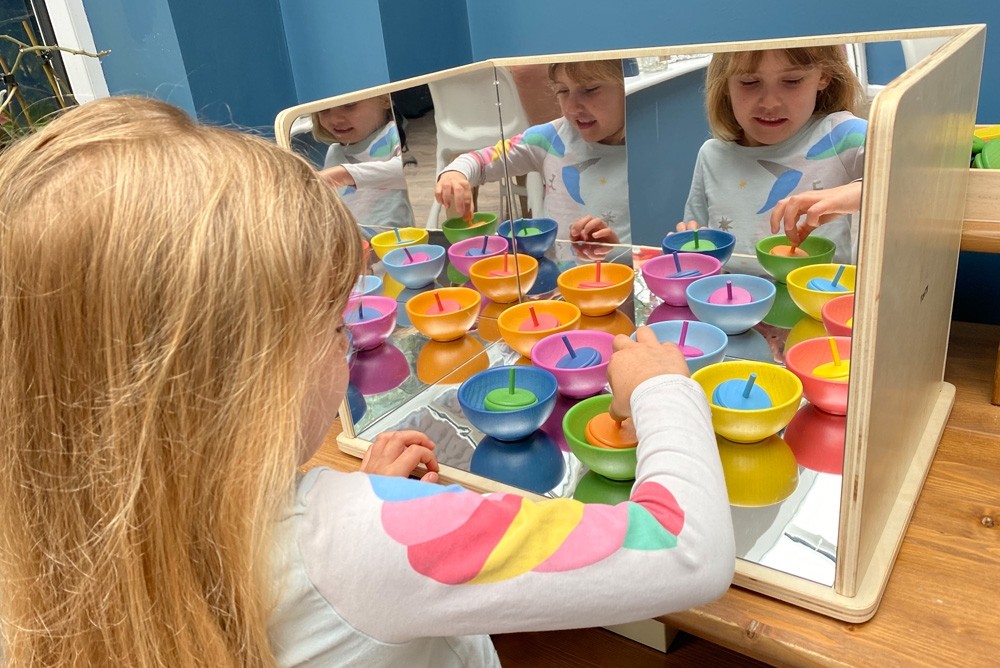
Acrylic mirror products, including both mirrored acrylic mirrors and perspex mirror sheets, have become popular as alternatives to traditional glass mirrors. Safety is an important factor in this shift. Acrylic mirror does not shatter into sharp fragments, making it a common choice in sports centers, children’s rooms, retail fitting areas, and transportation components. Because the reflective coating is applied onto the back of an acrylic sheet, the material maintains the same non-toxic characteristics as standard acrylic. The reflective layer is sealed and not in direct contact with the user, ensuring that the mirror remains safe for everyday use.
Concerns about plastic toxicity often stem from issues associated with materials like PVC or polycarbonate. Acrylic behaves very differently from these polymers. It contains no BPA, phthalates, or halogenated compounds, which are often the substances associated with toxicity debates. This distinction helps explain why acrylic sheet and acrylic mirror sheet products maintain a strong reputation for safety in indoor applications. Their non-toxic performance even under long-term exposure makes acrylic a preferred material for design projects that require clarity and reflectivity without the weight and fragility of glass.
The stability of acrylic has enabled its use in controlled environments where material safety is crucial. Laboratory enclosures, food display units, medical equipment covers, and protective barriers are frequently made from acrylic sheet. These applications reflect industry confidence that acrylic does not contaminate surroundings through chemical migration. The same chemical stability applies to acrylic mirror materials used in interiors. When used in furniture pieces, wall panels, or decorative installations, they remain neutral and do not alter indoor air composition.
Acrylic’s resistance to moisture and chemical degradation also contributes to its non-toxic profile. Unlike certain plastics that can degrade or release additives over time, acrylic holds its structure for years without emitting harmful substances. This quality makes it suitable for both indoor and outdoor environments. Sunlight exposure, while capable of causing gradual surface wear, does not create toxic byproducts. Users considering acrylic mirror or perspex mirror solutions for long-term installations can rely on the material’s consistent performance and chemical stability.
Although acrylic is non-toxic under normal use, mishandling during cutting or machining can generate fine dust particles. These particles are not chemically toxic but can irritate the respiratory system if inhaled in large amounts. Proper ventilation and protective equipment are recommended in industrial environments. The presence of dust is related to physical irritation rather than chemical toxicity, meaning the risks do not come from the material composition itself. Once installed, an acrylic mirror sheet or acrylic display panel presents no such concerns.
Acrylic earns its reputation as a safe material because of its stable polymer structure, lack of hazardous additives, and resistance to chemical leaching. These characteristics are consistent whether the acrylic is clear, colored, mirrored, extruded, or cast. As long as the product is manufactured within acceptable standards, its use in homes, workplaces, educational facilities, retail interiors, and public spaces does not present toxicity issues. This is also why mirrored acrylic products continue to expand across design and architectural sectors.
Based on current scientific understanding and decades of practical use, acrylic in its solid form is not toxic. It does not release harmful chemicals into indoor air and does not pose risks through skin contact. Acrylic sheets, acrylic mirror sheets, perspex mirror surfaces, and other acrylic-based components are widely recognized as safe for interior applications, public environments, and long-term installations. The material’s durability, stability, and cleanliness contribute to its ongoing popularity and its acceptance in settings where both safety and performance are priorities.


