

Views: 0 Author: Site Editor Publish Time: 2025-11-12 Origin: Site


Lightweight reflective materials have become a cornerstone of modern design and manufacturing, replacing traditional glass in countless industries. Among these alternatives, the polystyrene mirror and the acrylic mirror—often referred to as Perspex acrylic mirror, Perspex mirror sheet, or mirror Perspex—are two of the most commonly used. While they may appear similar at first glance, the differences in their composition, durability, and performance determine which is the better fit for a given project.
An acrylic mirror is made from PMMA (polymethyl methacrylate), a transparent thermoplastic known for its optical clarity and excellent surface gloss. It’s typically produced by casting or extrusion, followed by vacuum metallization on one side, which adds a reflective aluminum layer. The surface is then coated with a protective paint to prevent oxidation and scratching.

A polystyrene mirror—also known as a PS mirror—is made from general-purpose polystyrene resin. The process involves extrusion of thin sheets, metallization, and protective coating, similar to acrylic, but the base material is much less dense and more brittle. The result is a reflective sheet that mimics the appearance of acrylic or glass but at a fraction of the cost.

Both materials can be produced in a variety of finishes, including silver, bronze, and gold mirror Perspex, but the quality and feel differ greatly once in use.

When it comes to visual appearance, the acrylic mirror easily outperforms the polystyrene mirror in terms of brightness and optical clarity. The PMMA substrate provides a clear, distortion-free reflection that closely resembles glass. Its smooth surface captures light evenly, creating a premium and elegant visual effect.

By contrast, PS mirrors tend to have a slightly wavy reflection due to their thinner and less rigid surface. Under certain lighting conditions, reflections may appear mildly distorted or duller compared to acrylic. While this may not be a problem for temporary displays or short-term signage, it makes polystyrene mirrors less suitable for decorative or architectural uses that demand high visual precision.

For projects where appearance and reflective sharpness are critical—such as interior décor, furniture, and art installations—the Perspex mirror sheet remains the preferred choice.
Durability is another key difference between the two materials. Acrylic mirrors offer ten times the impact resistance of glass, maintaining a balance between strength and lightweight design. They are flexible enough to bend slightly without breaking, making them ideal for installations where handling safety is important.
Polystyrene mirrors, however, are considerably more fragile. The material’s structure lacks flexibility, meaning it can crack or chip under moderate stress. This limits its use to low-impact environments or applications where mechanical durability is not a primary concern.

In terms of heat and UV resistance, acrylic mirrors also perform better. They can withstand higher temperatures without warping and resist yellowing under sunlight, which makes them suitable for semi-outdoor or indoor environments with bright lighting. Polystyrene mirrors, being more sensitive to heat, can deform when exposed to warm conditions or direct sunlight for extended periods.
A major advantage of acrylic mirrors lies in their processability. They can be easily laser-cut, CNC-machined, drilled, or engraved without cracking. Designers and fabricators often choose mirror Perspex for projects that require precise shapes or detailed engraving.

PS mirrors, on the other hand, are harder to cut cleanly. The material can chip along the edges or melt slightly during cutting, especially under high heat or friction. This limits customization options and makes it less suitable for fine fabrication.
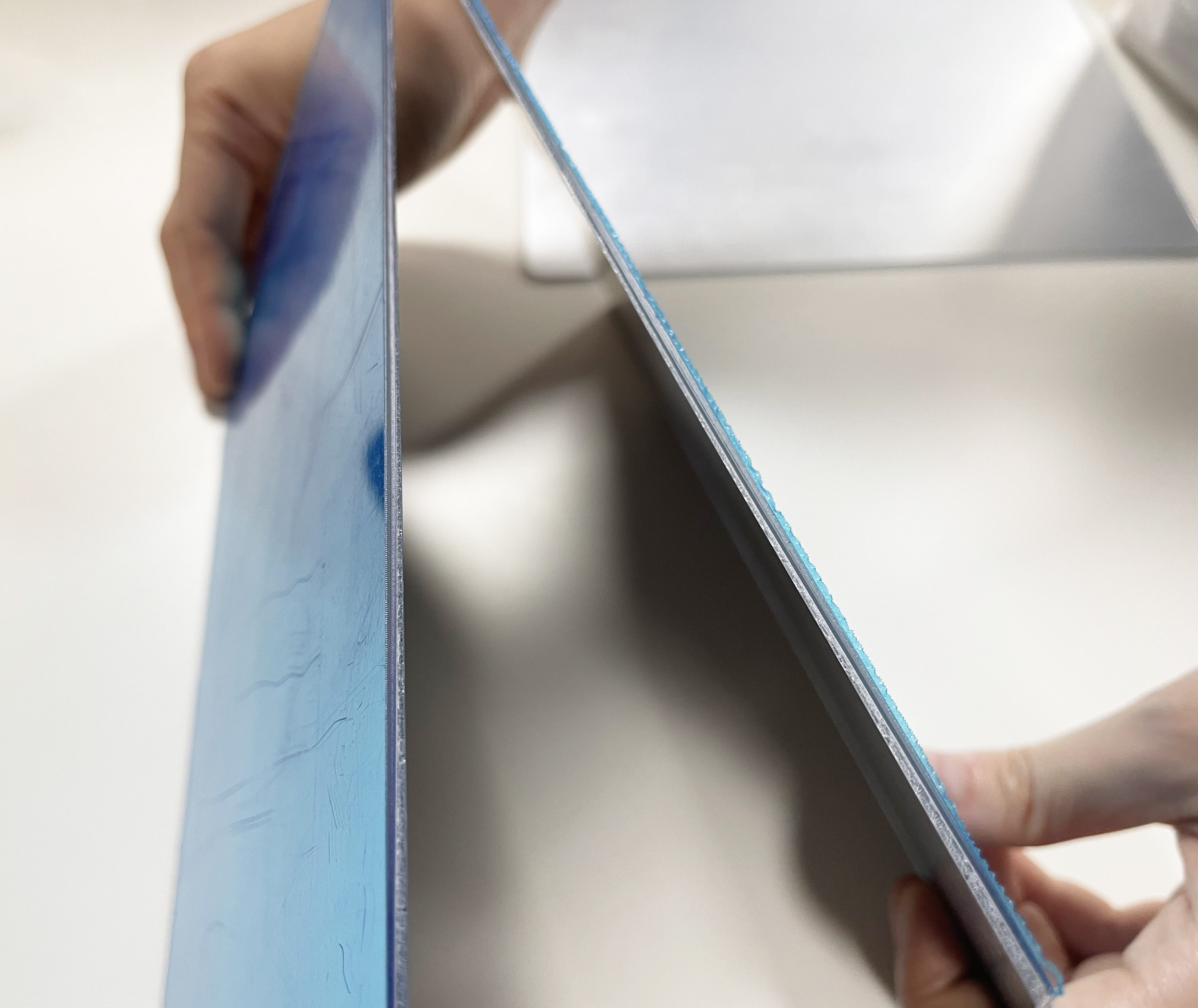
For industries that demand precision cutting—such as signage, advertising displays, and retail fixtures—the acrylic mirror remains the better choice due to its clean edges and consistent performance.
One reason some buyers consider polystyrene mirrors is their low cost. They are typically cheaper than acrylic by 30–50%, which makes them appealing for bulk production of disposable or short-term products such as packaging inserts, point-of-sale displays, and temporary event decorations.

However, the cost advantage comes at the expense of longevity. While an acrylic mirror sheet 4x8 may last several years without losing its shine, a PS mirror might show signs of wear and surface dulling after a short period. The trade-off between cost and durability should therefore be considered based on the intended lifespan of the product.

In applications that require visual quality and long-term stability, acrylic provides far greater value over time.
Acrylic mirrors are favored in interior design, signage, and architectural settings where beauty, reflectivity, and reliability are crucial. Their crisp surface and color options—including gold mirror Perspex and silver Perspex mirror sheets—make them an attractive choice for high-end commercial environments. They are also popular for wall panels, display stands, and creative installations where a glass-like appearance is desired without the safety risks.

Polystyrene mirrors, by contrast, are ideal for temporary or cost-sensitive projects. They serve well in seasonal decorations, promotional events, exhibition backdrops, and packaging designs. When durability and optical perfection are not priorities, the PS mirror offers an affordable reflective solution.

In simple terms, acrylic mirrors fit applications where quality and lifespan matter; polystyrene mirrors suit cases where affordability and disposability take priority.
From an environmental perspective, both materials are recyclable, though their lifespans differ. Because acrylic mirrors last longer, they reduce the frequency of replacement and overall material waste. Polystyrene’s shorter service life makes it less sustainable in the long term, though its recyclability helps mitigate some environmental impact.
Maintenance is straightforward for both materials. Gentle cleaning with water and a soft cloth keeps the surface clear. Avoid using alcohol or ammonia-based cleaners, which can cause clouding or surface degradation, especially on PS mirrors.
For most decorative and architectural uses, the acrylic mirror—available as Perspex acrylic mirror, Perspex mirror sheet, or mirror Perspex—remains the standard for quality and longevity. It offers a perfect balance of elegance, durability, and versatility.
The polystyrene mirror, or PS mirror, provides a practical solution for low-cost projects where aesthetics are secondary and short-term use is acceptable.
Ultimately, choosing the right material depends on balancing cost, durability, and design intent. For projects that need to impress visually and perform over time, acrylic is the clear winner. For one-off displays or lightweight uses, polystyrene can be the economical alternative.
| Feature | Acrylic mirror | Polystyrene mirror |
| Material | PMMA | Polystyrene |
| Reflection Quality | Bright, Clear, Glass like | Slightly duller, may distort |
| Strength | 10x stronger than glass | Brittle, prone to cracking |
| Weight | Lightweight | Very light but fragile |
| Scratch Resistance | Moderate | Low |
| Heat Resistance | Good | Poor |
| Cutting & Fabrication | Easy, clean edges | Harder to cut, chips easily |
| Lifespan | Long-lasting | Short-term |
| Best Use | Interior decor, signage, displays | Temporary, low-cost projects |
Both materials have their place in the reflective plastics market. The acrylic mirror represents reliability and elegance, offering the polished appearance designers and architects rely on. The polystyrene mirror provides a lightweight and economical solution for projects where budget matters more than perfection. Understanding these differences allows buyers to make informed decisions and achieve the perfect balance between beauty, function, and cost.


