

Views: 0 Author: Site Editor Publish Time: 2025-11-13 Origin: Site


Reflective plastic materials have become essential in industries that require lightweight, shatter-resistant alternatives to traditional glass. Two of the most common options are the polystyrene mirror and the polycarbonate mirror. Though both provide the appearance of a reflective surface, they differ significantly in durability, clarity, and suitable applications. Understanding their respective advantages and limitations helps you determine which mirror material will perform best for your project.
A polystyrene mirror, also known as a PS mirror, is made from general-purpose polystyrene resin. It is produced through an extrusion process that forms thin, lightweight sheets, later coated with a reflective aluminum layer through vacuum metallization. The surface is then finished with a protective film to prevent scratches. Because of the simplicity of production and low material cost, PS mirrors are one of the most affordable options available.

A polycarbonate mirror, also referred to as a mirrored polycarbonate or pcmirror, is made from polycarbonate resin—a high-performance thermoplastic known for its extreme toughness and impact strength. Its manufacturing involves precise extrusion under controlled heat, followed by a vacuum-coated metal layer and a protective hard coating. The process requires more precision but results in a product that can endure much harsher conditions than a PS mirror.

The key difference begins at the molecular level: polystyrene is rigid and brittle, while polycarbonate is strong, flexible, and highly resilient. This difference defines nearly every performance characteristic of the two materials.
When comparing their appearance, polystyrene mirrors offer a decent reflective surface suitable for decorative or short-term use. They produce a bright, smooth reflection under normal lighting, making them useful for temporary signage and display projects. However, the reflection may appear slightly distorted when the sheet is large or under bending stress, as the material lacks rigidity to maintain perfect flatness.
Polycarbonate mirrors, on the other hand, maintain a more consistent reflection even in large sizes or curved installations. Their optical quality may not be as glass-like as acrylic, but it remains clear and stable over time. The reflective coating adheres firmly to the base, ensuring the surface stays bright even after long-term exposure to heat or vibration. In environments where both appearance and performance matter, polycarbonate mirrors provide a more professional finish.
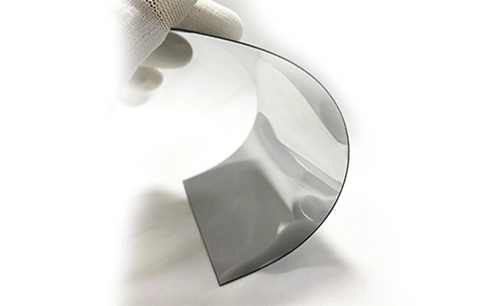
Strength is where the polycarbonate mirror completely outperforms the polystyrene mirror. A typical pcmirror is about 250 times stronger than glass and several times tougher than acrylic, while a PS mirror can crack or shatter under moderate force. This difference makes polycarbonate ideal for safety-critical environments, whereas polystyrene is better suited for low-impact indoor applications.
Polycarbonate’s flexibility also allows it to be bent slightly without damage, making it ideal for curved designs or installations that require structural tolerance. Polystyrene, by contrast, is brittle and prone to breaking if bent or dropped. While PS mirrors are adequate for static displays, they cannot handle repeated handling or mechanical stress.
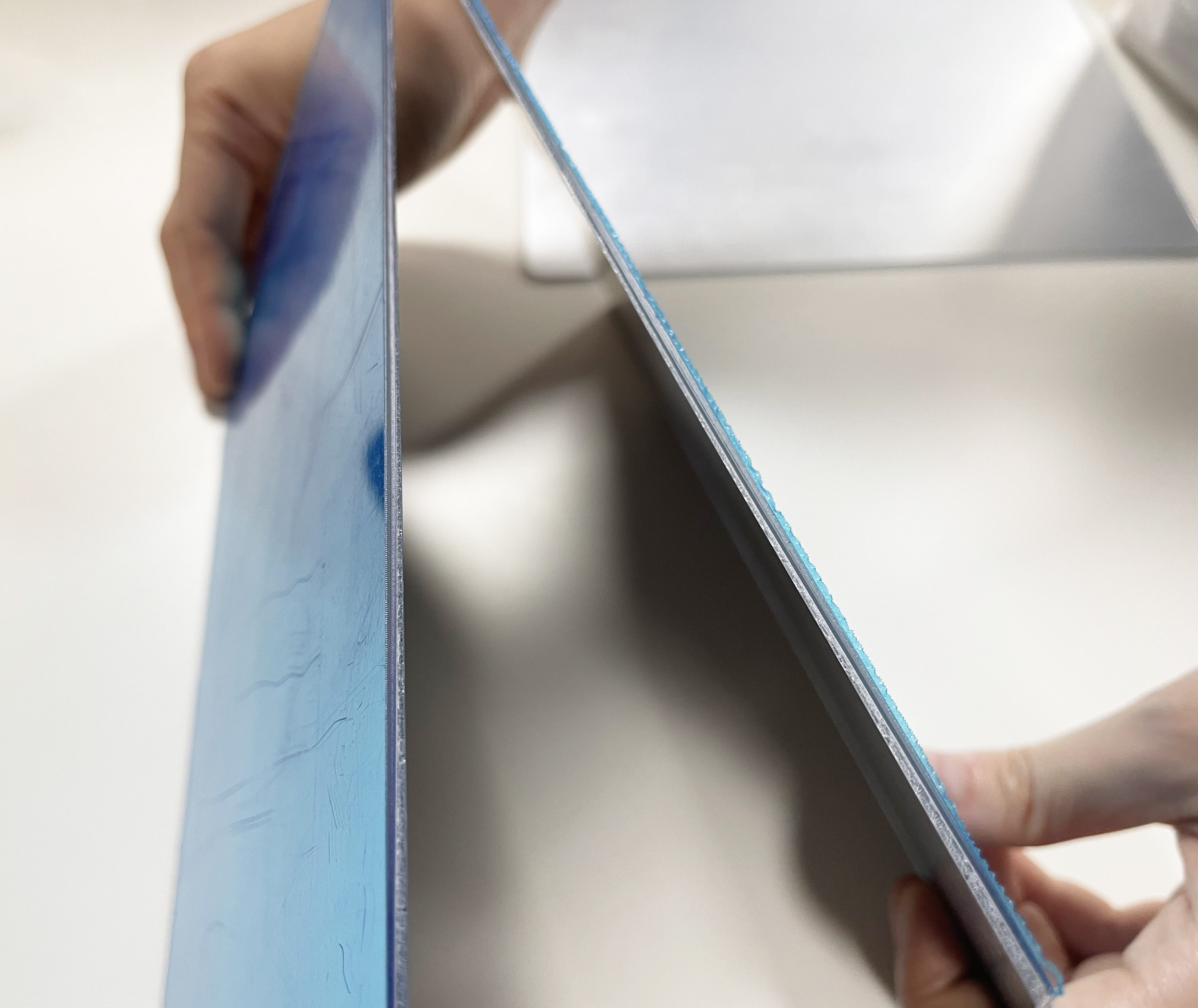
Another major contrast lies in thermal and environmental stability. Polystyrene mirrors are sensitive to heat—they soften easily and may warp under warm conditions or direct sunlight. This limits their use to indoor settings where temperature is stable. They also tend to yellow slightly when exposed to UV light for extended periods.

Polycarbonate mirrors perform exceptionally well in such conditions. They maintain their shape and reflective quality even under extreme temperatures or outdoor exposure. The material’s inherent UV resistance and heat tolerance make mirrored polycarbonate the go-to option for outdoor signage, transportation, and industrial facilities. For any application involving sunlight, vibration, or fluctuating temperatures, polycarbonate ensures long-term performance.
In fabrication, both materials are lightweight and easy to handle, but their machining behavior differs. PS mirrors can be cut using simple tools like knives or saws, making them accessible for quick, low-cost projects. However, the cutting edges can chip easily, and precision shaping is difficult.

Polycarbonate mirrors require more robust tools or laser cutting but deliver cleaner, smoother results. The material’s toughness prevents edge cracking and allows for complex shapes, drilled holes, or bending without damage. This flexibility is why polycarbonate mirrors are favored for professional-grade installations and structural applications where precision is critical.

Cost is often the deciding factor between the two materials. Polystyrene mirrors are significantly cheaper, sometimes costing less than half the price of polycarbonate. This affordability makes them attractive for short-term, high-volume projects where visual effect matters more than longevity. However, their short lifespan and limited durability mean that long-term replacement costs can add up.
Polycarbonate mirrors, though more expensive initially, justify their price through long service life and reduced maintenance. In environments that demand safety and reliability, their cost-effectiveness becomes clear over time. For businesses or architects prioritizing quality and durability, polycarbonate provides better long-term value.
The polystyrene mirror is best for applications where cost efficiency and temporary use are key. It performs well in trade show displays, short-term advertising boards, seasonal decorations, and lightweight product packaging. Its light weight makes installation quick and convenient, but its fragility limits reuse.

The polycarbonate mirror, or pcmirror, is preferred in heavy-duty environments—gym walls, amusement parks, hospitals, public restrooms, or industrial equipment. Its impact resistance and heat tolerance make it ideal for spaces exposed to frequent use or potential collisions. For outdoor signage, safety mirrors, or long-term architectural elements, mirrored polycarbonate is the superior option.
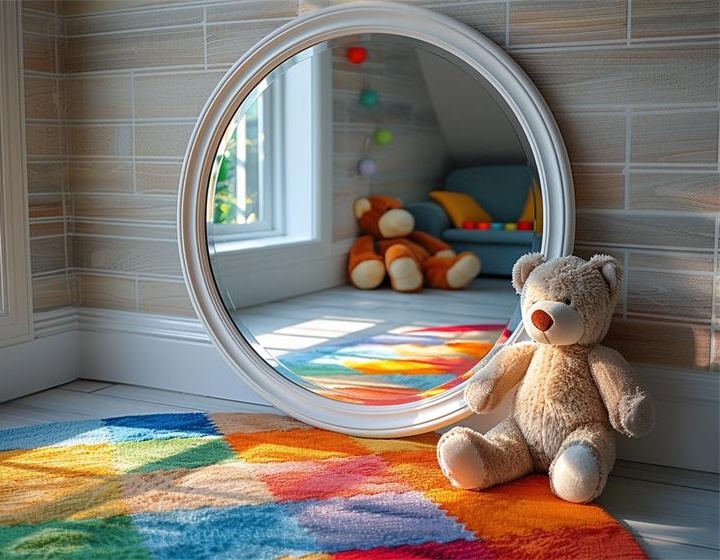
When the goal is affordability and convenience, PS mirrors deliver. When strength, safety, and professional quality are required, polycarbonate mirrors stand unmatched.
Both materials are recyclable thermoplastics, contributing to sustainable design practices. However, polycarbonate mirrors have a longer lifespan, reducing the frequency of replacement and waste generation. PS mirrors are more suitable for disposable or short-cycle products.
Maintenance for both types involves gentle cleaning with soft cloths and mild detergents. Harsh chemicals or alcohol-based cleaners should be avoided, as they can damage the reflective coating—particularly on PS mirrors.
| Feature | Polystyrene Mirror | Polycarbonate Mirror |
| Material | Polystyrene Resin | Polycarbonate Resin |
| Reflection Quality | Bright but may distort | Clear, consistent reflection |
| Impact Resistance | Low, brittle | Extremely high, shatterproof |
| Weight | Very light | Slightly heavier but stronger |
| Heat & UV Resistance | Poor | Excellent |
| Flexibility | Rigid, breaks easily | Can bend slightly without damage |
| Fabrication | Easy but prone to edge chipping | Clean cuts, suitable for shaping |
| Cost | Low | Higher initial cost |
| Best Application | Temporary displays, indoor signage | Safety mirror, outdoor projects, gyms |
Both polystyrene mirrors and polycarbonate mirrors offer practical reflective solutions but serve different markets. The PS mirror focuses on affordability and short-term visual appeal, ideal for lightweight, temporary projects. The polycarbonate mirror, also known as mirrored polycarbonate or pcmirror, prioritizes strength, safety, and longevity, making it the best choice for demanding or permanent installations.
At Likebond, we supply both materials in a variety of sizes and finishes, helping customers choose the right mirror sheet for their specific application—whether it’s a cost-effective PS display panel or a durable polycarbonate reflective surface for long-term architectural or industrial use.


