

Views: 0 Author: Site Editor Publish Time: 2025-12-24 Origin: Site


Acrylic mirrors have become an indispensable part of many commercial and residential designs. Known for their lightweight nature, durability, and ease of fabrication, these mirrors are often chosen as alternatives to glass mirrors in various applications. However, like all materials, acrylic mirrors undergo changes over time. Buyers frequently wonder what happens to clear acrylic mirrors after a few years of use, particularly in commercial environments where mirrors endure constant wear and tear. This article delves into the changes that clear acrylic mirrors experience after three years of use, focusing on key factors such as scratch resistance, UV degradation, and overall longevity.
When first installed, clear acrylic mirrors provide a high-quality reflective surface, often indistinguishable from glass mirrors. Their smooth, shiny surface and clarity make them a popular choice for decorative purposes and functional applications in both home and business environments. One of the key advantages of acrylic mirrors is their reduced weight, which makes them easier to handle and install compared to glass mirrors, especially when using larger formats like acrylic mirror sheet 4×8.

Furthermore, acrylic mirrors are highly impact-resistant, which is a significant benefit in areas where safety is a concern, such as gyms, retail stores, and children's rooms. The flexible nature of acrylic mirrors allows them to resist cracking and shattering, unlike glass mirrors, making them safer in high-traffic areas.
After a few years of use, however, acrylic mirrors begin to show signs of aging, just like any other material exposed to environmental factors. These changes can be more pronounced in commercial spaces or homes with high humidity, fluctuating temperatures, or heavy usage. The most noticeable effects that clear acrylic mirrors experience after three years of use are changes in surface clarity, potential scratching, and UV degradation.

One of the most significant issues that acrylic mirrors face over time is scratching. Acrylic, although durable, is not as scratch-resistant as glass. Even though the material is harder than typical plastic surfaces, the mirror's surface is still susceptible to damage from abrasive cleaning materials, dust, or even contact with hard objects. Over three years of use, light scratches may accumulate, particularly in high-traffic areas like gyms or retail displays. These scratches can diminish the clarity of the mirror, impacting its reflective quality.
The risk of scratching is higher in mirror acrylic sheets that were made using lower-grade PMMA (polymethyl methacrylate) or with less stringent manufacturing controls. Acrylic mirror products produced with higher-quality PMMA and advanced polishing techniques are more resistant to scratching and can maintain a clearer surface over time. However, regardless of the quality of the material, routine maintenance and cleaning practices also play a vital role in preserving the mirror's clarity.
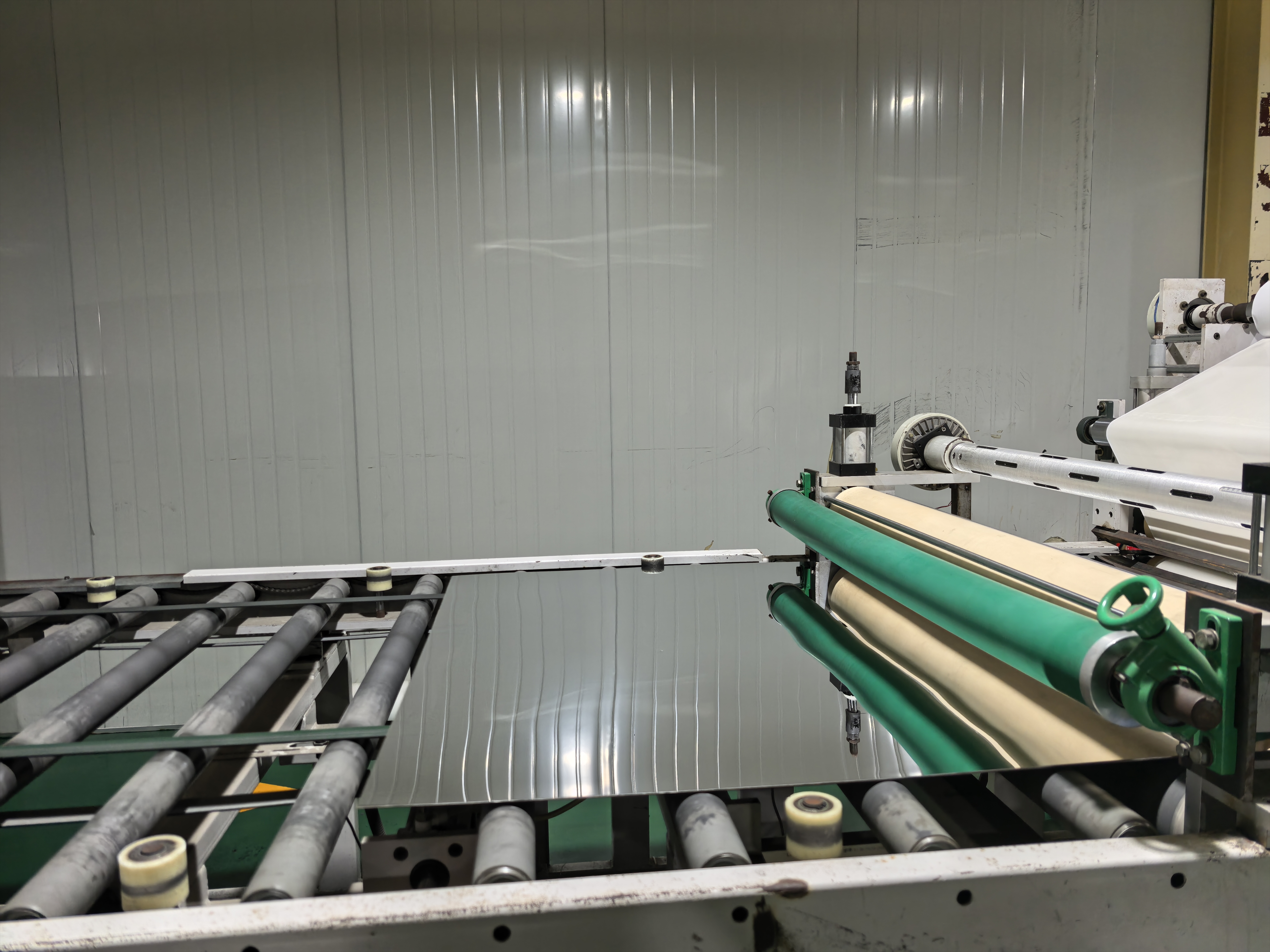
Acrylic mirrors are highly susceptible to UV degradation over time. When exposed to direct sunlight, the UV rays can break down the acrylic material, causing it to discolor, fade, or lose its reflective properties. This is especially true for acrylic mirror sheets that are installed in areas with abundant sunlight or outdoor applications. UV exposure accelerates the yellowing process, making the acrylic mirror less visually appealing and decreasing its effectiveness as a reflective surface.

To mitigate UV degradation, many higher-quality acrylic mirror sheets are treated with special UV-resistant coatings. These coatings help protect the mirror from the harmful effects of UV rays, prolonging the mirror's lifespan and maintaining its clarity for a longer period. However, even with UV protection, the material may still undergo gradual changes over the years, and buyers should be prepared for slight alterations in appearance as the mirror ages.
In commercial environments like gyms, spas, or bathrooms, where humidity levels tend to fluctuate, acrylic mirrors may be more prone to changes over time. Moisture can affect the adhesive used in acrylic mirror sheets and can sometimes cause the mirror to become less stable or develop issues with the backing layer. In extreme cases, the backing layer can begin to peel or delaminate, leading to a loss of reflectivity. This is particularly common in lower-quality acrylic mirrors that lack proper sealing or coating during manufacturing.

Additionally, temperature fluctuations can cause the acrylic material to expand and contract, potentially leading to warping or distortion of the mirror. Mirror acrylic sheets used in areas with extreme temperature changes, such as near heating vents or outdoor installations, may not retain their original flatness and could become more prone to surface blemishes.
When installed in high-use environments such as retail stores or gyms, acrylic mirrors can begin to show signs of wear and tear after a few years. However, with proper care and maintenance, these mirrors can continue to perform well beyond their initial years of use. Regular cleaning using non-abrasive materials and periodic inspections can help prevent scratching and preserve the mirror's reflective qualities.

In commercial applications, where acrylic mirrors are often installed in larger formats like acrylic mirror sheet 4×8, the longevity of the mirror depends on several factors. The size of the mirror can place additional strain on the material, particularly if the mirror is not adequately supported or if it experiences frequent movement or vibration. Choosing high-quality acrylic mirror sheets that are manufactured to meet rigorous standards can help ensure that the mirror maintains its clarity and durability for many years.
To extend the lifespan of acrylic mirrors, it's crucial to follow proper cleaning and maintenance procedures. Since acrylic is more prone to scratching than glass, harsh cleaning agents and abrasive materials should be avoided. Instead, use a soft, microfiber cloth and mild soapy water to clean the surface. It’s also important to regularly inspect the mirror for any signs of damage or degradation and address any issues as soon as they arise.

In environments with high humidity or temperature fluctuations, consider using protective coatings or films that can help protect the surface from moisture and UV damage. For large-scale installations, such as those using acrylic mirror sheets 4×8, working with experienced installers who understand how to properly secure and support the mirrors is essential for ensuring long-term performance.
Although acrylic mirrors are highly durable and resistant to breaking, they may still need to be replaced after several years of use, particularly if significant scratching or UV degradation has occurred. If the mirror has become too scratched or discolored to provide an acceptable level of reflection, or if it has started to warp or distort, it may be time for a replacement.
However, with proper care, acrylic mirrors can remain functional and aesthetically pleasing for much longer than many people realize. By choosing high-quality mirror acrylic sheets and following the proper maintenance practices, buyers can maximize the lifespan of their acrylic mirrors and ensure that they continue to perform at a high level for years to come.


