

Views: 0 Author: Site Editor Publish Time: 2026-03-10 Origin: Site


Acrylic sheets are widely used in signage, architectural decoration, retail displays, and protective barriers because of their transparency, durability, and ease of fabrication. Known chemically as PMMA (polymethyl methacrylate), acrylic combines optical clarity with relatively strong mechanical performance. When acrylic sheets are used in commercial environments, temperature resistance often becomes an important concern. Many buyers ask the same question: what is the maximum temperature acrylic sheets can withstand without losing their structural stability or visual quality?

Understanding the thermal behavior of acrylic materials is essential for selecting the right type of sheet for different applications. The performance of acrylic sheets under heat depends on the production method, the surrounding environment, and the duration of temperature exposure. A closer look at acrylic sheets thermal stability helps clarify how these materials perform in high-temperature conditions.
The thermal tolerance of acrylic materials is relatively stable compared with many plastics used in advertising and construction industries. Standard PMMA begins to soften when temperatures approach approximately 90°C to 105°C (194°F to 221°F). This temperature range is commonly considered the practical limit for most acrylic sheet applications.
The maximum temperature acrylic sheets can withstand without permanent deformation usually falls between 80°C and 90°C for continuous exposure. Short periods of higher temperature may be tolerated, but prolonged exposure above this level can lead to visible changes in the material structure.

Manufacturing methods also influence thermal performance. Cast acrylic sheets are produced by polymerizing liquid monomer in molds, forming a more uniform molecular structure. This process typically results in stronger acrylic sheets thermal stability and slightly higher resistance to heat. Cast sheets can often tolerate temperatures closer to 90°C during continuous use.

Extruded acrylic sheets, which are produced by pushing melted PMMA through a die, tend to have a lower molecular weight distribution. This structural difference makes them slightly more sensitive to temperature changes. Their recommended long-term working temperature is usually around 70°C to 80°C. Although both materials share similar optical properties, cast acrylic sheets generally provide better dimensional stability under heat.

Exposure to temperatures near or above the maximum temperature acrylic sheets can handle will gradually change the material's physical characteristics. Acrylic does not melt suddenly like some thermoplastics. Instead, it softens and slowly loses rigidity as heat increases.
One of the first changes visible under high temperature is thermal expansion. Acrylic sheets expand slightly as heat rises, which may lead to warping or bending if the sheet is tightly fixed within a frame. In architectural or signage installations, designers often allow small expansion gaps to prevent stress caused by temperature fluctuations.
When temperatures exceed the recommended working range, PMMA begins to soften significantly. The sheet may deform under its own weight or under external loads. If the material is heated further, the surface can develop slight distortion that affects optical clarity, especially in clear acrylic sheet applications where transparency is critical.
Extended exposure to excessive heat can also cause surface crazing or micro-cracks. These small cracks often appear when heat combines with mechanical stress or chemical exposure. Although acrylic sheets are known for durability, high temperatures accelerate the aging process and reduce the service life of the material.

The ability of acrylic sheets to tolerate heat is influenced by several technical factors related to material quality and environmental conditions. The composition of PMMA, manufacturing process, and sheet thickness all contribute to thermal performance.
Material quality plays a significant role. High-grade acrylic sheets produced from pure PMMA raw materials tend to exhibit more stable molecular structures. This stability improves resistance to deformation when exposed to heat. Lower-quality materials may soften earlier or show surface defects when temperatures approach their limits.
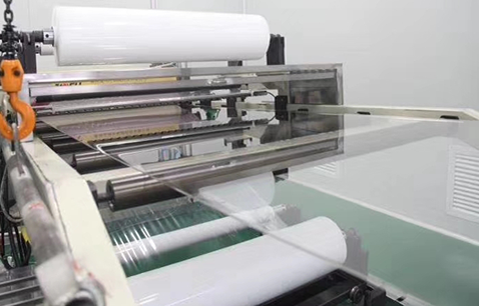
Production methods also influence heat resistance. Cast acrylic sheets generally possess higher molecular weight chains compared with extruded sheets. This structural difference enhances rigidity and improves acrylic sheets thermal stability, making cast sheets suitable for applications that involve higher processing temperatures, such as thermoforming or laser cutting.
Sheet thickness affects heat absorption as well. Thicker acrylic panels heat up more slowly and distribute thermal energy across a larger volume. Thin sheets respond faster to temperature fluctuations and may show deformation earlier when placed in high-temperature environments.
Environmental factors also contribute to the thermal performance of acrylic materials. Direct sunlight, heat from lighting systems, and enclosed installations can create localized temperature buildup. In some signage systems, internal LED lighting generates heat that accumulates within the panel structure. Proper ventilation and design adjustments help maintain temperatures within the safe operating range of acrylic sheets.
Although acrylic sheets cannot tolerate extreme industrial heat, their temperature resistance is sufficient for a wide range of commercial and architectural uses. Most indoor environments fall comfortably within the safe working range of PMMA, making acrylic an excellent choice for displays, retail fixtures, and decorative installations.
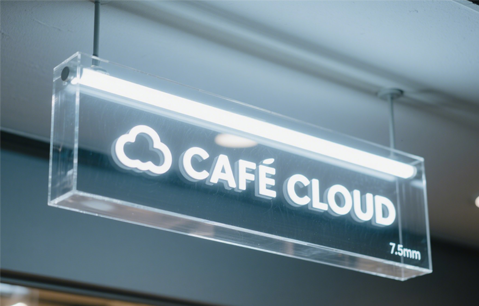
Typical indoor temperatures rarely exceed 40°C, far below the maximum temperature acrylic sheets can withstand. This makes acrylic sheets particularly reliable for illuminated signage, exhibition displays, and interior design elements. Even when lighting systems are installed behind panels, heat levels generally remain within acceptable limits when ventilation is properly designed.
Outdoor applications require more attention to environmental conditions. Acrylic panels exposed to direct sunlight may experience higher surface temperatures, especially in regions with strong solar radiation. In such cases, thicker materials or cast acrylic sheets are often recommended because they provide improved resistance to thermal distortion.
Large format panels, such as architectural cladding or signage boards, should also allow space for expansion. Acrylic naturally expands when temperatures rise, and controlled installation methods help prevent stress accumulation around mounting points.
Despite these considerations, acrylic sheets thermal stability remains suitable for most environments encountered in advertising and building decoration. The combination of optical clarity, weather resistance, and manageable thermal performance explains why PMMA remains one of the most widely used transparent plastics in commercial fabrication.
Acrylic materials are designed to balance clarity, workability, and durability rather than extreme heat resistance. Within their recommended temperature range, acrylic sheets maintain excellent structural strength and optical transparency. When temperatures approach the maximum temperature acrylic sheets can handle, gradual softening begins to affect mechanical performance.
Choosing the correct type of acrylic sheet is therefore important for applications involving elevated temperatures. Cast acrylic sheets often provide better dimensional stability and are widely preferred for demanding fabrication processes. Extruded sheets remain a cost-efficient option for many standard signage and display applications where thermal stress is minimal.
Manufacturers and buyers who understand the thermal characteristics of PMMA can design installations that maximize product lifespan. Proper ventilation, suitable mounting methods, and appropriate material selection all contribute to maintaining stable performance even in warmer environments.
Acrylic continues to be a trusted material in industries ranging from advertising to architecture. By recognizing the limits of acrylic sheets thermal stability, users can ensure reliable results while benefiting from the exceptional transparency and versatility that acrylic materials provide.


