

Views: 0 Author: Site Editor Publish Time: 2026-11-07 Origin: Site


What Makes an Art Acrylic Sheet Stand Out?Acrylic has become a popular material for modern art and creative displays. It offers a balance of visual appeal, flexibility, and practical performance.An art acrylic sheet can support many creative ideas. It comes in clear, colored, and decorative finishes
An art acrylic sheet stands out through its appearance and processing flexibility. It combines useful material properties with different creative possibilities.
Artists and manufacturers can choose specific colors, finishes, and thicknesses. These options help them produce artwork, decorative panels, and customized displays.
Optical clarity is one of the main advantages of clear acrylic. It allows viewers to see displayed objects through the panel.
A clear acrylic sheet for artwork works well for protective covers, display cases, and layered installations. Its transparent appearance helps preserve the original visual effect.
However, surface defects can affect presentation quality. Scratches, bubbles, haze, and uneven surfaces may become noticeable under strong lighting.
Tip: Request samples before bulk purchasing. Check transparency under different lighting conditions.
Color plays an important role in artistic expression. Acrylic sheets are available in clear, tinted, and solid-color options.
Transparent colored sheets allow light to pass through. They can create layered visual effects for decorative panels and creative installations.
Solid colors offer stronger visual coverage. They work well for signs, craft projects, and decorative components requiring consistent color.
Manufacturers should also consider batch consistency. Matching colors across multiple sheets helps maintain a uniform appearance.
A high-gloss surface creates a smooth, reflective appearance. It can make decorative artwork look cleaner and more polished.
This finish suits premium displays, decorative panels, and contemporary interior designs. It also creates attractive light reflections.
However, glossy surfaces can reveal fingerprints and scratches. Proper handling and protective packaging help maintain their appearance.
Cast acrylic is produced by polymerizing liquid acrylic material inside molds. This process creates solid PMMA sheets for various applications.
It is commonly considered for laser cutting and engraving projects. Artists can use it for lettering, patterns, decorative shapes, and customized displays.
Cast and extruded acrylic have different manufacturing characteristics. Buyers should compare material specifications and processing requirements before selecting either type.
Thickness influences rigidity, weight, and overall appearance. Thin acrylic sheets may suit lightweight decorative projects and layered designs.
Thicker sheets can provide greater rigidity for display structures. They may also create a more substantial visual effect.
However, thicker material requires suitable cutting and fabrication equipment. Buyers should consider sheet dimensions and installation conditions together.
Some acrylic grades are suitable for outdoor applications. Their performance depends on material quality and environmental exposure.
UV radiation, temperature changes, and moisture can affect long-term appearance. Outdoor projects should use acrylic grades supported by relevant weatherability information.
High-gloss PMMA cast sheets are available for outdoor-oriented applications. Buyers should request technical data before specifying them for demanding environments.
Acrylic supports several fabrication methods. These include cutting, drilling, bending, polishing, and laser engraving.
This flexibility allows manufacturers to produce customized shapes and decorative components. It also supports small creative projects and larger commercial displays.
Different processes require suitable material grades and machine settings. Testing samples helps reduce processing defects.
The following table summarizes common acrylic sheet options.
Feature | Clear Acrylic | Colored Acrylic | High-Gloss Acrylic |
|---|---|---|---|
Appearance | Transparent | Colored or tinted | Reflective surface |
Main visual effect | Light transmission | Color expression | Light reflection |
Applications | Art protection and displays | Crafts and decoration | Premium displays |
Design flexibility | Layered designs | Color combinations | Polished effects |
Choosing an art material requires more than comparing appearance. Weight, durability, processing, and application requirements also matter.
Acrylic is a practical option for many creative projects. However, glass and polycarbonate may perform better under certain conditions.
Glass offers a familiar appearance and good surface hardness. It is commonly used for picture frames and display protection.
Acrylic is generally lighter than glass. This makes it easier to handle during transportation and installation.
However, acrylic can scratch more easily. Buyers should compare surface protection, impact requirements, and cleaning methods before choosing.
Acrylic and polycarbonate are both transparent thermoplastics. However, they have different mechanical and surface characteristics.
Polycarbonate generally offers higher impact resistance. It may suit applications requiring greater resistance to physical impact.
Acrylic often provides attractive optical clarity and surface appearance. It can be a suitable choice for decorative displays and artistic installations.
Cast acrylic is formed through a casting process. It is commonly selected for applications involving engraving and customized fabrication.
Extruded acrylic is produced through a continuous extrusion process. Its manufacturing method can provide consistent thickness and efficient production.
Both materials have suitable applications. Buyers should compare cutting quality, thickness tolerance, cost, and processing compatibility.
Note: Laser results depend on material grade, equipment, and operating settings. Always conduct a processing test before production.
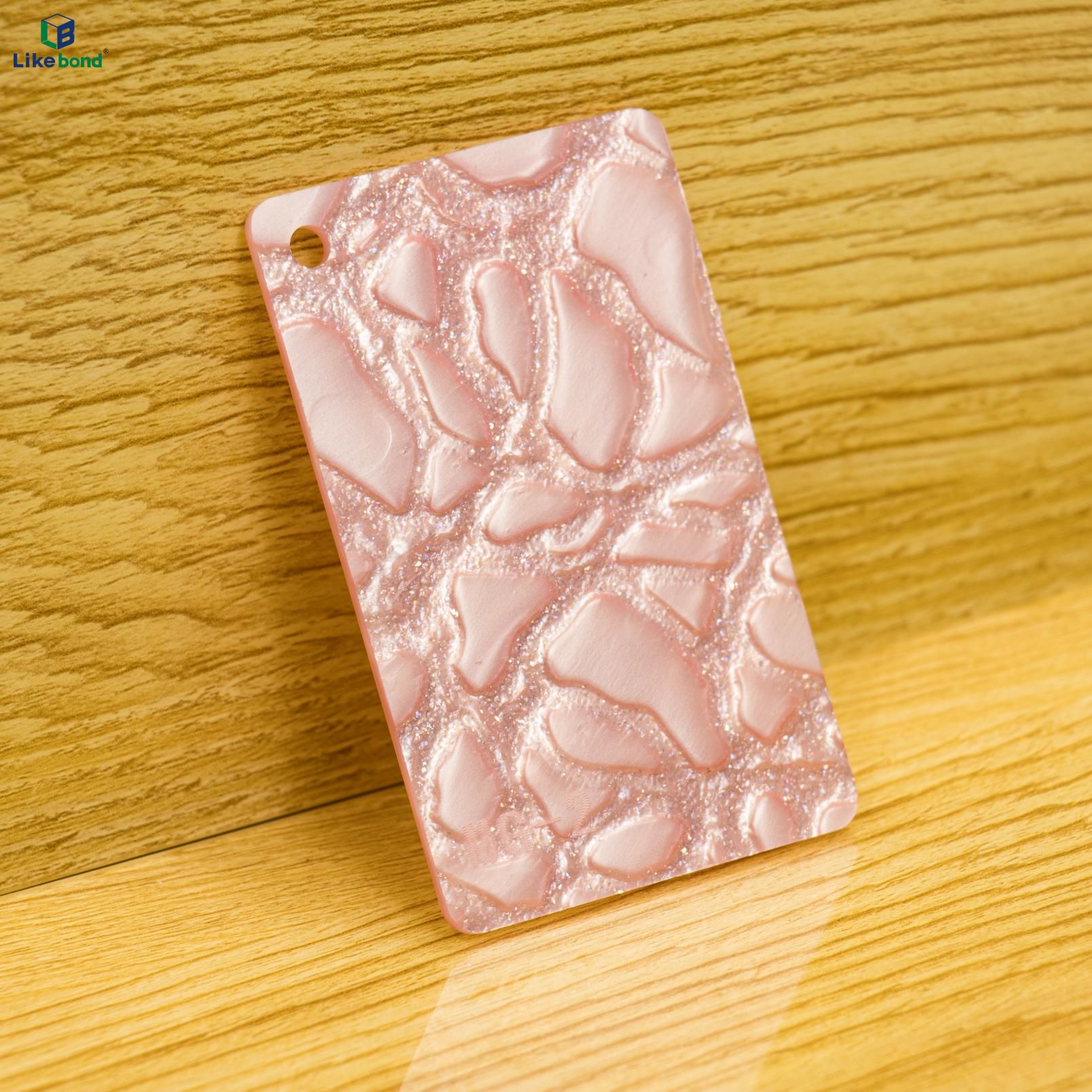
Different creative projects require different material properties. Selecting the correct sheet helps improve appearance and fabrication results.
The intended use should guide the decision. Consider transparency, color, surface finish, and processing requirements. For decorative installations, an acrylic water ripple art panel creates a textured visual effect through its distinctive surface pattern.
Clear acrylic is suitable for display covers and protective panels. Its transparency allows artwork to remain visible.
It can also support layered presentations. Designers can combine transparent sheets with printed graphics and decorative materials.
Surface quality is particularly important for these applications. Scratches and haze can reduce the visual quality of displayed artwork.
Colored acrylic sheets provide more design possibilities. They are available in different shades and visual effects.
Artists can combine multiple colors to create contrast. This works well for decorative installations, craft products, and customized signs.
Color selection should match the project design. Commercial buyers should also confirm batch consistency before ordering.
High-gloss acrylic creates a polished surface appearance. It can improve the visual presentation of retail and decorative displays.
It is useful for projects requiring reflective surfaces. Designers can use it to create modern decorative features.
Like other glossy materials, it needs careful handling. Protective films should remain in place during storage and transportation.
Laser cutting allows manufacturers to produce detailed patterns. It also supports customized lettering and decorative shapes.
Cast acrylic is commonly considered for these applications. Its processing characteristics can support clean edges and detailed engraving.
However, results depend on material grade and machine settings. Buyers should test cutting speed, power, and edge quality before production.
Technical specifications help buyers compare products accurately. They also reduce the risk of receiving materials unsuitable for the intended application.
A product description alone may not provide enough information. Buyers should request samples and supporting technical documents.
First, confirm the material type. Most acrylic sheets are made from PMMA.
Ask whether the product uses cast or extruded manufacturing. This distinction can affect processing behavior and product consistency.
Also request relevant material specifications. They help manufacturers select suitable sheets for their production processes.
Sheet thickness affects rigidity and weight. It also influences cutting settings and finished product dimensions.
Confirm available sheet sizes before purchasing. Standard dimensions may not match every project requirement.
Dimensional tolerance is another important factor. Consistent thickness helps improve fabrication accuracy and assembly quality.
Inspect transparency and surface appearance carefully. Look for visible scratches, bubbles, haze, and uneven finishes.
For colored sheets, check color consistency. Different batches should maintain a similar appearance when used together.
Gloss levels also deserve attention. Samples help buyers compare the actual finish against their design requirements.
Outdoor applications require additional material evaluation. Sunlight and changing weather conditions can affect acrylic appearance.
Ask suppliers for UV resistance information. Confirm whether the selected grade suits continuous outdoor exposure.
Do not assume every acrylic sheet has identical weather resistance. Product specifications should support the intended application.
Tip: Include thickness tolerance, surface quality, and color requirements in your purchase specification.
Acrylic offers several fabrication possibilities. Choosing suitable processing methods helps achieve better finished products.
Manufacturers should consider material thickness and design complexity. Equipment settings also influence processing quality.
Laser cutting can create complex shapes and detailed patterns. It is widely used for customized decorative components.
Laser engraving adds designs to acrylic surfaces. It supports lettering, logos, patterns, and personalized artwork.
Material compatibility is essential. Test the acrylic before processing large production batches.
Mechanical processing is useful for different acrylic fabrication projects. Common methods include drilling, sawing, and CNC routing.
Suitable cutting tools help produce cleaner edges. Incorrect settings may cause chipping, cracking, or rough surfaces.
Manufacturers should also consider material thickness. Proper support helps prevent movement during machining.
Acrylic can be shaped through controlled heating. This allows manufacturers to create curved panels and customized forms.
Mechanical polishing can improve cut-edge appearance. Flame polishing is another option for suitable acrylic grades.
The finishing method should match the product design. Incorrect heating may cause deformation or surface damage.
Acrylic surfaces require careful handling. Scratches can affect both transparent and high-gloss sheets.
Keep protective films in place during storage and transportation. Avoid placing finished sheets directly against abrasive surfaces.
Use compatible cleaning products. Abrasive cleaners and unsuitable solvents may damage acrylic.
Note: Follow the material supplier's processing recommendations. Conduct small-scale tests before full production.
B2B buyers need to evaluate product quality and supply conditions. A suitable material should meet both design and production requirements.
Clear communication also helps prevent ordering errors. Confirming specifications before production can reduce unnecessary material waste.
Start by defining the intended use. Artwork protection, decorative panels, and outdoor displays have different requirements.
Consider the expected visual effect. Decide whether clear, colored, or high-gloss acrylic is appropriate.
Then identify the required thickness and dimensions. This information helps suppliers recommend suitable material options.
Samples allow buyers to inspect actual product quality. They also help confirm whether the material suits the intended fabrication method.
Check transparency, color, thickness, and surface finish. Compare these characteristics against your project specifications.
For laser processing, test cutting and engraving results. Confirm edge quality before placing larger orders.
Some projects require special colors and dimensions. Others need customized shapes or specific sheet finishes.
Discuss available specifications before requesting quotations. Confirm whether the supplier can support the required product configuration.
Also check minimum order quantities and packaging. These factors influence purchasing costs and delivery planning.
Consistent material quality supports stable production. Buyers should understand how suppliers inspect finished sheets.
Ask about thickness checks and surface inspections. For colored products, discuss batch identification and color consistency.
Technical communication is equally important. Reliable product documentation helps manufacturers maintain purchasing and production standards.
Tip: Provide drawings, sample requirements, and processing details when requesting quotations. This helps suppliers recommend more suitable materials.
An art acrylic sheet stands out through its clarity, rich colors, glossy finishes, and flexible processing options. Clear, colored, and cast acrylic sheets support diverse creative projects. Buyers should compare thickness, surface quality, and durability before purchasing.
Likebond Co., Ltd. offers acrylic solutions for artistic and decorative applications, helping customers achieve attractive designs and practical results.
A: Its clarity, color options, gloss, and easy fabrication.
A: It suits laser cutting, engraving, and custom designs.
A: Yes, if the selected PMMA grade offers suitable UV resistance.
A: Match thickness to artwork size, weight, and installation needs.
A: Acrylic is lighter and easier to fabricate into custom shapes.


