

Views: 0 Author: Site Editor Publish Time: 2025-11-27 Origin: Site


When it comes to selecting materials for mirrors, windows, or decorative items, two materials stand out as the most popular choices: glass and acrylic. Both have their unique benefits and drawbacks, and understanding these differences can help in making an informed decision for any project. In this article, we will dive deep into the features of both glass and acrylic, compare their advantages and disadvantages, and explore their applications. Whether you are looking to install an acrylic mirror sheet 4x8 for your home, use a framed acrylic mirror for a modern touch, or choose glass for its classic look, this article will guide you through everything you need to know.
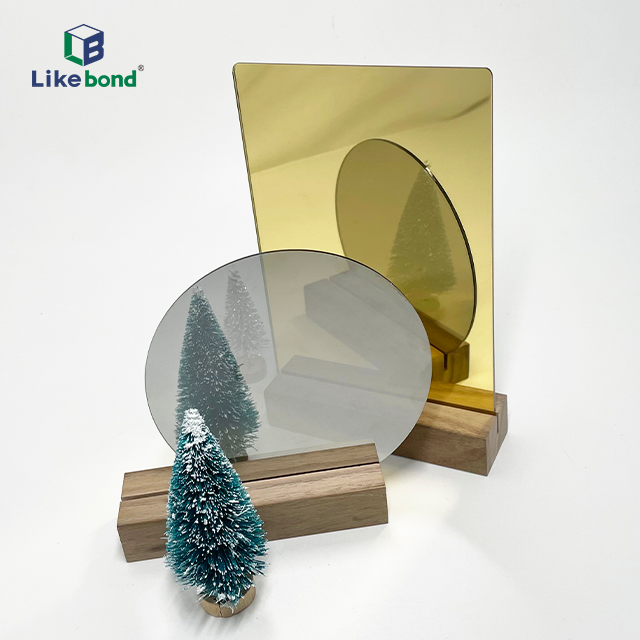
Glass and acrylic are both widely used materials, but they differ in several key ways. Glass is a traditional material that has been used for centuries in everything from mirrors to windows. Acrylic, also known as polymethyl methacrylate (PMMA), is a synthetic plastic that has gained popularity in recent decades for its versatility and lighter weight.
Glass is an inorganic material that is made from silica (sand), soda ash, and lime. It is solid, transparent, and has been used in various applications for centuries. Glass is most commonly used in windows, mirrors, and glassware. Its transparency and reflective properties make it ideal for mirrors.
Acrylic, or PMMA, is a type of plastic that can be manufactured in a variety of forms. Acrylic mirrors are made by applying a reflective coating to the back of the acrylic sheet, allowing it to function similarly to glass mirrors. Acrylic is known for being lightweight, durable, and versatile, which makes it a popular choice for a variety of applications, from acrylic framed mirrors to signage, windows, and decorative features.
One of the most significant differences between glass and acrylic is their weight. Glass is much heavier than acrylic, which makes acrylic an attractive option for applications where weight is a concern.
Glass: A standard glass mirror or glass window can be quite heavy, which may pose problems in terms of handling, installation, and transportation.
Acrylic: Acrylic mirrors and acrylic sheets, such as acrylic mirror sheet 4x8, are much lighter than glass, making them easier to handle and install.
Both glass and acrylic are durable materials, but they perform differently in terms of impact resistance and weathering.
Glass: While glass is strong, it is prone to breaking upon impact. Glass mirrors, for example, can shatter easily if dropped or struck with force.
Acrylic: Acrylic is much more resistant to impact and is far less likely to break than glass. This makes acrylic a better choice for applications where safety is a priority, such as in public spaces or areas where children are present.
Both materials are clear and can be used to make mirrors, but the optical properties differ.
Glass: Glass is known for its clarity and is often preferred for its high optical quality. When polished, glass provides a perfect reflection, making it the go-to material for high-end mirrors.
Acrylic: Acrylic, while clear, can sometimes have a slight distortion in the reflection, especially if the surface is not perfectly smooth. However, for many applications, acrylic still provides a clear enough reflection to be used as a mirror, especially in decorative mirrors or acrylic framed mirrors.
When it comes to surface protection, both materials require care to avoid scratches.
Glass: Glass is naturally resistant to scratching, which makes it ideal for high-traffic areas and surfaces that are subject to wear and tear.
Acrylic: Acrylic is more prone to scratching than glass, which can be a drawback for some applications. However, acrylic can be treated with a scratch-resistant coating to improve its durability.
The cost of glass and acrylic can vary depending on the quality and thickness of the material.
Glass: Generally, glass is more expensive than acrylic, especially when considering the cost of custom-cut glass mirrors or glass windows.
Acrylic: Acrylic is often more affordable, making it a great choice for those working on a budget or for large-scale projects where cost is a consideration.
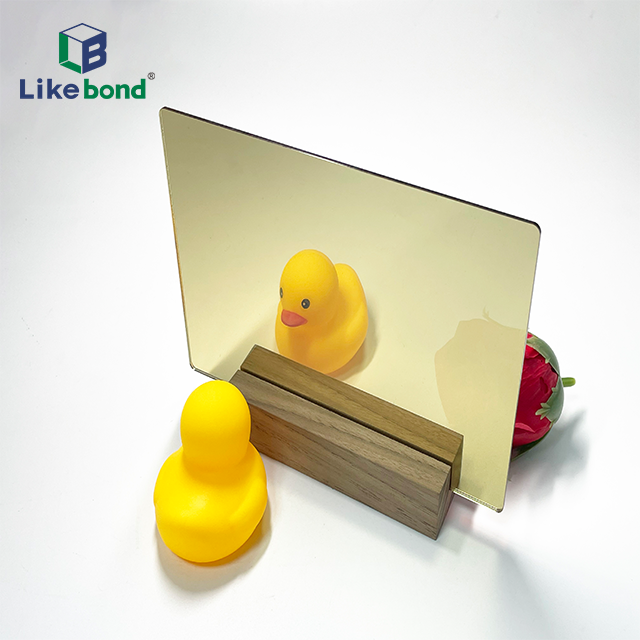
Both materials have unique applications based on their properties. Let’s explore some common uses of glass and acrylic.
Mirrors: Glass mirrors are commonly used in homes, businesses, and vehicles. They provide a high-quality, clear reflection.
Windows: Glass is the standard material used for windows in homes, offices, and automobiles.
Glassware: From drinking glasses to decorative items, glass is a common material in the creation of various household items.
Acrylic Mirrors: Acrylic mirrors are often used in places where safety, weight, and cost are more important than perfect optical quality. They are commonly found in gyms, schools, and hospitals. An acrylic framed mirror is a popular choice for contemporary interior design due to its lightweight nature and ease of installation.
Signage: Acrylic is often used in signs due to its durability and ability to be easily cut and molded.
Windows: Acrylic can be used as an alternative to glass in windows, particularly in applications where weight is a concern, such as in RVs, boats, and certain vehicles.
Clear Reflection: Glass provides a perfect, distortion-free reflection, making it the best option for high-quality mirrors.
Scratch Resistance: Glass is more resistant to scratches, which helps maintain its appearance over time.
Durability: Glass is highly durable and has been used for centuries in various applications.
Weight: Glass is heavy, which can make it difficult to handle, transport, and install.
Fragility: Glass can shatter or crack when subjected to impact, posing safety risks.
Cost: Glass is often more expensive than acrylic, especially when custom-cut for specialized applications.
Lightweight: Acrylic is much lighter than glass, making it easier to handle and install.
Impact Resistance: Acrylic is more durable than glass in terms of impact resistance, making it a safer option in many environments.
Cost-Effective: Acrylic is often more affordable than glass, especially for large projects or applications requiring custom shapes and sizes.
Versatility: Acrylic can be easily molded, cut, and shaped to fit specific design needs.
Scratch Sensitivity: Acrylic is more prone to scratches, which can mar its appearance over time.
Optical Distortion: Acrylic may have slight distortion in the reflection, which may not be acceptable for high-end mirror applications.
Weathering: Over time, acrylic may yellow or degrade when exposed to UV light, although UV-resistant acrylic is available.
While acrylic is more affordable and lightweight, glass offers better optical clarity and scratch resistance. The choice depends on the application, with acrylic being ideal for decorative mirrors and glass being preferred for high-precision mirrors.
Acrylic mirrors can be used outdoors, but they may degrade over time when exposed to UV rays unless UV-resistant acrylic is used.
Acrylic is generally safer than glass due to its impact resistance. It is less likely to shatter upon impact, making it a safer option in areas where safety is a concern.
Acrylic is quite clear, but it may have slight optical distortion compared to glass. For most applications, acrylic provides a clear enough reflection.
Acrylic mirrors should be cleaned with a soft cloth and mild soap solution to avoid scratching the surface. Avoid using abrasive cleaners or cloths.
Yes, acrylic is typically less expensive than glass, making it a cost-effective choice for large-scale projects or applications where cost is a factor.
Yes, acrylic mirrors can be framed just like glass mirrors. Acrylic framed mirrors are commonly used in modern interior design due to their lightweight nature.
When deciding between glass and acrylic for your next project, consider factors such as weight, durability, optical clarity, and cost. Acrylic is an excellent choice for many applications, particularly where safety, impact resistance, and weight are concerns. It’s also a great option for decorative mirrors like acrylic framed mirrors. However, if you need a high-quality, distortion-free reflection, glass remains the material of choice. Whether you are choosing acrylic mirror sheet 4x8 for a DIY project or selecting a mirror for your home, understanding the strengths and limitations of each material will help you make the best decision for your needs.


