

Views: 0 Author: Site Editor Publish Time: 2025-12-18 Origin: Site


Acrylic mirror products are widely used across signage, interior decoration, retail displays, and furniture manufacturing. Their lightweight structure, clean reflection, and ease of fabrication make them attractive alternatives to glass in many commercial projects. However, experienced buyers understand that no material is suitable for every application. Acrylic mirror sheets perform well in the right conditions, but they can also fail when used beyond their natural limits.
Knowing when acrylic mirror is the wrong material is just as important as knowing when it works well. Many sourcing problems begin not with poor manufacturing, but with material selection that does not match the real operating environment. This article explores situations where acrylic mirror sheets may not be the best solution, based on real-world project experience rather than theoretical specifications.
One of the most common misapplications of acrylic mirror is prolonged outdoor use. While acrylic mirror sheet products offer good visual clarity indoors, they are not designed to withstand constant exposure to ultraviolet radiation, temperature fluctuations, and moisture over long periods. In outdoor environments, mirrored acrylic mirrors can gradually lose reflective quality, experience surface degradation, or develop stress-related distortion.
Buyers sometimes assume that thicker acrylic mirror sheets or reinforced backing will solve this issue. In practice, thickness does not fundamentally change the material’s response to UV exposure. Acrylic mirror sheet 4x8 panels used outdoors may initially look acceptable, but their long-term performance often fails to meet expectations.

For applications such as exterior façades, permanent outdoor signage, or architectural features exposed to direct sunlight, alternative materials should be considered.
Acrylic mirror sheets are sensitive to heat. In environments where surface temperatures rise significantly, such as near lighting fixtures, industrial equipment, or kitchen installations, acrylic mirror products can deform or lose flatness. Thermal expansion causes internal stress that becomes visible as warping or optical distortion.

Samples rarely reveal this behavior because they are evaluated at room temperature. Once installed in a heat-intensive setting, the mirror acrylic sheet may respond unpredictably. This is particularly problematic in large-format installations where flatness is visually critical.
When applications involve sustained heat exposure, acrylic mirror may not be the appropriate material choice, regardless of surface appearance.
Another area where acrylic mirror sheets are frequently misused is in structural or load-bearing applications. Acrylic mirror products are decorative materials, not structural components. Even thicker sheets lack the rigidity required to support weight or resist bending under stress.
In furniture design, acrylic mirror panels sometimes perform well as decorative surfaces but fail when expected to contribute to structural strength. Over time, stress points develop, leading to cracking or distortion. This issue is amplified in large formats such as acrylic mirror sheet 4x8 installations used without adequate support.

Understanding the mechanical limits of acrylic mirror materials helps prevent long-term failure in demanding applications.
Acrylic mirrors provide clear reflection, but they do not offer the same optical precision as high-grade glass mirrors. For most decorative and commercial uses, this difference is acceptable. However, in applications requiring exact optical accuracy, even minor distortion becomes unacceptable.
Mirrored acrylic mirrors can show subtle image variation due to internal stress or sheet flatness, especially in larger panels. This may not be noticeable in casual viewing but becomes obvious in environments such as dance studios, fitness centers, or optical installations where precise reflection is essential.

In such cases, acrylic mirror sheets may fail to meet performance expectations despite meeting standard quality specifications.
Humidity is another factor that limits where acrylic mirror sheets should be used. In high-moisture environments, such as bathrooms, spas, or coastal installations, prolonged exposure can affect backing adhesion and reflective layers. While protective coatings reduce risk, they do not eliminate it entirely.
Mirror acrylic sheet products used in these conditions may develop edge lifting or coating degradation over time. These changes often occur gradually, making early detection difficult. Buyers frequently encounter issues months after installation, when corrective action becomes costly.
For applications with constant humidity, materials specifically engineered for moisture resistance should be evaluated instead.
Acrylic mirror products are combustible materials. Although they comply with standard material safety regulations, they are not fire-resistant by nature. This limitation is critical in applications governed by strict fire codes or safety regulations.
Some buyers mistakenly assume that backing coatings or increased thickness can improve fire performance. In reality, these modifications do not change the fundamental fire behavior of acrylic mirror sheets. For projects subject to fire-rating requirements, acrylic mirror is often the wrong material choice.

Recognizing this limitation early helps prevent compliance issues during project approval or inspection.
Acrylic mirrors are impact-resistant compared to glass, but they are not immune to damage. In high-traffic public spaces such as transit hubs, schools, or entertainment venues, repeated contact increases the risk of surface scratching or impact damage.
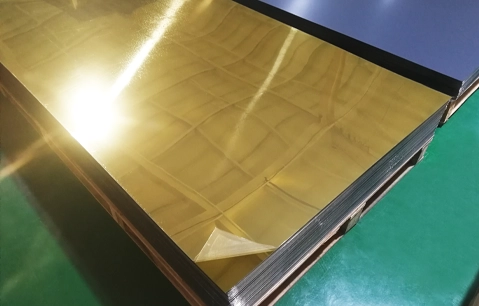
Mirror acrylic sheet products used in such environments may show wear faster than expected. Protective films help during installation, but they do not prevent long-term abrasion. When visual quality must remain pristine under constant use, alternative materials may offer better durability.
This consideration is particularly relevant for large acrylic mirror sheet 4x8 panels installed at accessible heights.
Acrylic mirror sheets are often chosen for their cost efficiency and ease of processing. However, in unsuitable applications, initial savings can lead to higher replacement and maintenance costs. Projects that require frequent panel replacement or repair often end up exceeding the cost of more appropriate materials.

Experienced buyers evaluate not only unit price but also lifecycle performance. Acrylic mirror products perform best when used within their design parameters. Outside those parameters, their advantages diminish quickly.
Understanding where acrylic mirror sheets should not be used helps clarify where they truly excel. Indoor decorative applications, retail displays, exhibition systems, and controlled commercial environments remain ideal use cases. In these settings, acrylic mirror products deliver reliable performance and visual appeal.
Problems arise when expectations exceed material reality. Acrylic mirror sourcing works best when buyers align design intent with material capability rather than forcing a decorative product into unsuitable roles.
Choosing the wrong material rarely fails immediately. More often, failure appears gradually, after installation, when conditions reveal hidden limitations. Acrylic mirror sheets are no exception. Their success depends on proper application rather than marketing claims or sample appearance.
For B2B buyers, understanding when acrylic mirror is the wrong material strengthens procurement decisions and reduces long-term risk. Material honesty builds better projects and stronger supplier relationships.
When acrylic mirror sheets are selected for the right environments, they remain one of the most practical and versatile decorative materials available. Knowing their limits is what allows their strengths to be used effectively.


