

Views: 0 Author: Site Editor Publish Time: 2026-01-13 Origin: Site


Choosing between glass and acrylic is no longer a simple material decision. In today’s construction, retail, and advertising industries, reflective surfaces are not only decorative elements but also functional components that must meet safety, durability, and installation requirements. As demand grows for lightweight and adaptable materials, products such as the acrylic mirror, acrylic mirrors sheet, and large-format acrylic mirror sheet 4×8 are becoming more visible in commercial projects around the world. The debate around acrylic mirror vs glass mirror is therefore not theoretical, but deeply connected to real project outcomes.
Understanding the differences between these materials helps buyers, designers, and contractors select the right solution for long-term performance rather than short-term appearance.
For decades, glass dominated reflective applications in interiors and façades. That began to shift when acrylic materials, originally developed for aircraft canopies and safety glazing, became widely available for architectural use. Acrylic offered impact resistance, stable clarity, and easier fabrication, which made it attractive for designers working on public-facing projects.
One early large-scale adoption of mirrored acrylic mirrors can be seen in museum exhibitions and public installations where safety regulations restrict the use of breakable glass. Institutions such as science museums in the United States and Europe frequently use acrylic mirrors in interactive exhibits because the material tolerates repeated physical contact without creating safety hazards. Over time, this practice expanded into retail environments, transportation hubs, and event venues.

As fabrication techniques improved, the visual gap between glass mirrors and acrylic mirrors narrowed significantly, making acrylic a practical substitute rather than a compromise.
One of the most influential differences in the comparison of glass vs acrylic mirror lies in weight. Acrylic weighs roughly half of what glass does at the same thickness. This difference becomes critical when mirrors are used in large wall panels, ceiling features, or movable display systems.
A full-size acrylic mirror sheet 4×8 can often be installed using lighter framing systems, reducing the need for reinforced walls or steel substructures. In commercial construction, this reduces material costs and shortens installation timelines. For contractors working under strict schedules, faster mounting with less specialized lifting equipment directly affects labor efficiency.
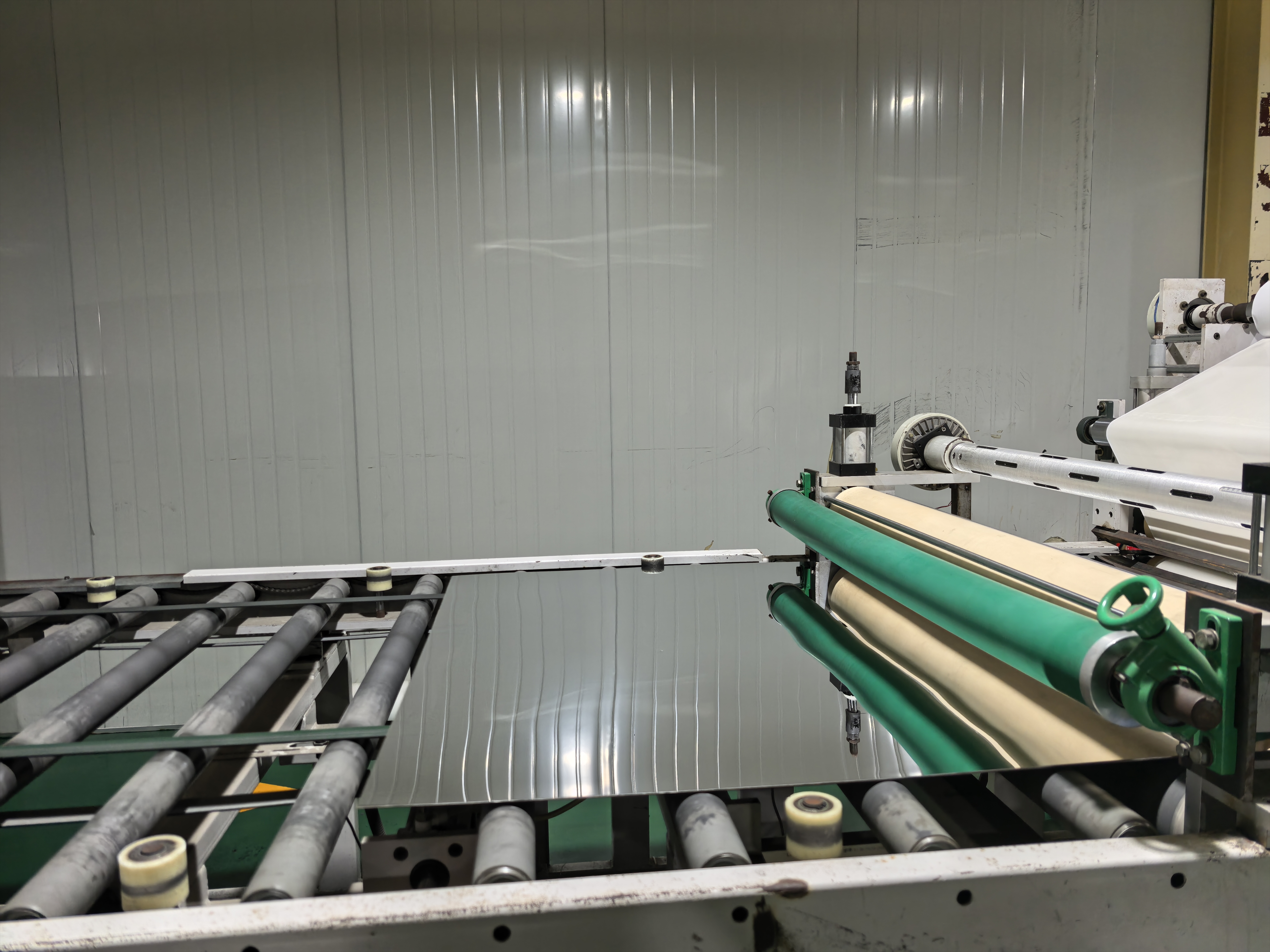
This advantage is particularly relevant in retail fit-outs, where stores often undergo frequent layout changes. Acrylic mirror sheets allow for modular designs that can be disassembled and reconfigured without the fragility concerns associated with glass.
Safety regulations strongly influence material choices in schools, gyms, hospitals, and transportation facilities. Traditional glass mirrors can shatter upon impact, producing sharp fragments that pose serious injury risks. Acrylic mirrors, by contrast, resist shattering and tend to crack or deform rather than explode into shards.

This characteristic is why mirrored acrylic mirrors are widely used in dance studios, fitness centers, and locker rooms in many countries. Facilities operated by organizations such as YMCA branches in North America frequently specify acrylic mirror panels in areas exposed to sports equipment or heavy foot traffic.
From a liability standpoint, property managers often prefer acrylic mirror installations because they reduce the risk of accident-related claims, which has become an increasingly important factor in commercial insurance policies.
When evaluating acrylic mirror vs glass mirror, optical quality remains a key concern for designers. Glass naturally offers a rigid, highly stable surface that delivers excellent reflectivity and minimal distortion. Acrylic, being slightly more flexible, can show minor visual warping if not properly mounted or if used in very large unsupported panels.

Modern manufacturing has significantly improved acrylic mirror coatings, allowing high reflectivity that satisfies most decorative and commercial requirements. In environments such as fashion retail, trade show booths, and interior feature walls, the difference is often visually negligible for customers.
Well-known retail brands have adopted acrylic mirror panels in flagship stores where dramatic reflective surfaces enhance lighting and spatial perception. In such environments, creative freedom and installation practicality often outweigh the marginal optical advantages of glass.
Design flexibility is another area where acrylic clearly differs from glass. Acrylic mirror sheets can be laser cut, CNC routed, and thermoformed into curved or sculpted shapes. This opens possibilities that are either impossible or extremely expensive to achieve with glass.

In architectural art projects and commercial branding installations, designers frequently rely on acrylic mirrors to create complex geometries and layered visual effects. Public art installations in cities like London and New York have used mirrored acrylic mirrors to form large outdoor reflective sculptures that would be impractical using glass due to weight and safety limitations.
For advertising displays and signage, acrylic mirror sheets allow logos, letters, and decorative elements to be fabricated directly from reflective material, creating strong visual impact while keeping structures lightweight.
Beyond installation, transportation damage plays an important role in material selection. Glass mirrors require heavy protective packaging and are still vulnerable to cracking during shipping. Acrylic mirrors are far more tolerant of vibration and impact, reducing breakage rates during international transport.
For wholesale buyers and distributors, this reliability lowers replacement costs and simplifies inventory handling. When ordering bulk quantities of acrylic mirrors sheet products, importers can ship large panels with significantly less risk compared to glass mirrors, which often require custom crating.

This logistical advantage is especially relevant for overseas markets, where long transit routes increase the likelihood of damage.
Maintenance requirements differ between the two materials. Glass mirrors are harder and more resistant to surface scratching, which makes them easier to clean using standard glass cleaners. Acrylic mirrors require gentler cleaning methods to avoid micro-scratches, typically using soft cloths and mild cleaning solutions.
However, many commercial-grade acrylic mirror sheets now include protective coatings that improve scratch resistance and UV stability. In controlled indoor environments such as shopping malls and exhibition halls, properly maintained acrylic mirrors can retain their appearance for many years without noticeable degradation.
Outdoor applications require additional consideration, as prolonged exposure to ultraviolet light and temperature variation can affect acrylic over long periods. In such cases, material selection and protective coatings become critical to performance.
Looking only at sheet price often leads to incomplete comparisons. While glass may appear cheaper per square meter, total project cost includes shipping, handling, installation labor, structural support, and risk management.
In projects involving large mirror surfaces, acrylic often becomes more economical once installation and safety measures are included. Lighter materials reduce transport expenses, simplify mounting systems, and minimize the need for reinforced framing.
For businesses operating multiple locations, standardized use of acrylic mirror sheets also simplifies maintenance and replacement procedures, reducing long-term operational costs.
Despite the advantages of acrylic, glass remains the preferred material in certain environments. Luxury residential bathrooms, high-end hotel interiors, and optical applications still favor glass due to its unmatched rigidity and long-term surface stability.
In these settings, mirrors are less exposed to impact, and weight is less of a structural concern. The premium visual quality of glass aligns with customer expectations in hospitality and residential design.
Therefore, the comparison of glass vs acrylic mirror does not produce a universal winner, but rather highlights different strengths aligned with different usage conditions.
Market demand for acrylic mirrors continues to grow, driven by commercial construction, advertising displays, and modular interior design trends. Sustainability considerations also play a role, as lighter materials reduce transportation emissions and enable more efficient structural designs.
Manufacturers are investing in coating technologies and surface treatments that further narrow the performance gap between acrylic and glass mirrors. As fabrication precision improves, acrylic mirrors are increasingly specified even in applications that traditionally relied on glass.

For suppliers serving international wholesale markets, offering consistent quality in standard sizes such as acrylic mirror sheet 4×8 supports project planning and simplifies procurement for contractors and distributors.
In real-world applications, material selection rarely depends on a single factor. Designers and buyers must balance safety, visual requirements, installation complexity, cost, and long-term maintenance.
The debate around acrylic mirror vs glass mirror reflects changing priorities in modern construction and commercial design. Where safety regulations, design flexibility, and efficient installation dominate, acrylic mirror solutions offer practical advantages. Where maximum optical precision and scratch resistance are required, glass remains relevant.
For many commercial environments, mirrored acrylic mirrors provide an effective balance between appearance and performance, supporting both creative design and operational efficiency.
The question of which material is better, glass or acrylic, cannot be answered without considering how and where the mirror will be used. Acrylic mirrors have evolved from niche safety products into mainstream architectural and commercial materials used in museums, retail chains, fitness facilities, and public infrastructure around the world.
With advantages in weight, safety, fabrication flexibility, and logistics, acrylic mirrors sheet products—especially large formats like acrylic mirror sheet 4×8—continue to replace glass in many high-demand applications. At the same time, glass remains valuable in environments where optical precision and surface hardness are prioritized.
Understanding the true differences between these materials allows project planners to choose solutions based on performance, not assumptions. As industries continue to demand safer, lighter, and more adaptable materials, acrylic mirrors are likely to play an even greater role in shaping modern reflective design.


