

Views: 0 Author: Site Editor Publish Time: 2025-12-01 Origin: Site


Long-distance shipping has always been a decisive factor in choosing between an acrylic mirror and a traditional glass mirror. Businesses that rely on stable supply chains, especially those operating in signage, interior construction, and retail fixture production, know how costly breakage can be. Transportation damage disrupts installation schedules, increases labor costs, and can even jeopardize entire project timelines. Industry surveys show a significant gap: while acrylic mirrors consistently maintain a breakage rate below 2%, glass mirrors frequently reach or exceed 12% during extended transportation. Understanding why this difference exists helps procurement teams make decisions that protect their deadlines, budgets, and overall project reliability.
The core reason behind this striking contrast lies in the material structure of each product. Glass is rigid, brittle, and unable to flex under impact, which is why slight vibrations or sudden pressure points can cause cracking even when properly packaged. An acrylic mirror, however, is built on a lightweight PMMA substrate paired with a reflective coating that integrates closely with the sheet surface. The composition gives it impact resistance far beyond what traditional glass can tolerate. In the context of acrylic mirror vs glass mirror, this property alone already changes the risk profile during logistics, especially when deliveries involve highway transport, multi-stop routes, or containerized sea shipping.

Another major factor affecting transportation outcomes is weight. Glass mirrors are substantially heavier, which means they exert more internal pressure on the crate, foam, or wooden box that protects them. This added pressure also magnifies the force generated during lifting and moving. Heavier materials create micro-impacts when trucks pass over uneven roads or when containers shift slightly at sea.
Acrylic mirrors weigh significantly less than glass mirrors of the same dimensions, often reaching only about half the overall weight. This difference has a substantial impact on transportation behavior. Lighter cargo reduces internal pressure within stacked pallets, minimizes vibration stress during long-distance movement, and lowers the overall load applied to crate structures. When compared directly, glass mirrors generate higher inertia during bumps or road shocks due to their mass, increasing the likelihood of edge cracks or surface fractures. The reduced weight of acrylic mirrors becomes an important factor behind their consistently low damage rate during freight transport.
Breakage resistance is not only about strength but also about flexibility. Acrylic mirrors offer a controlled level of flex under pressure, allowing them to absorb shocks instead of shattering. This resilience is crucial during shipping, when unpredictable forces occur even in well-monitored logistics systems. Sudden braking, vibrations, or minor compression in stacked cargo all become less threatening because the sheet can distribute the force instead of failing at a single point.
With glass vs acrylic mirror, the comparison becomes especially clear: glass reacts to stress by fracturing, while acrylic responds by dispersing energy. This single characteristic contributes greatly to the much lower breakage rate recorded during long-distance transport.

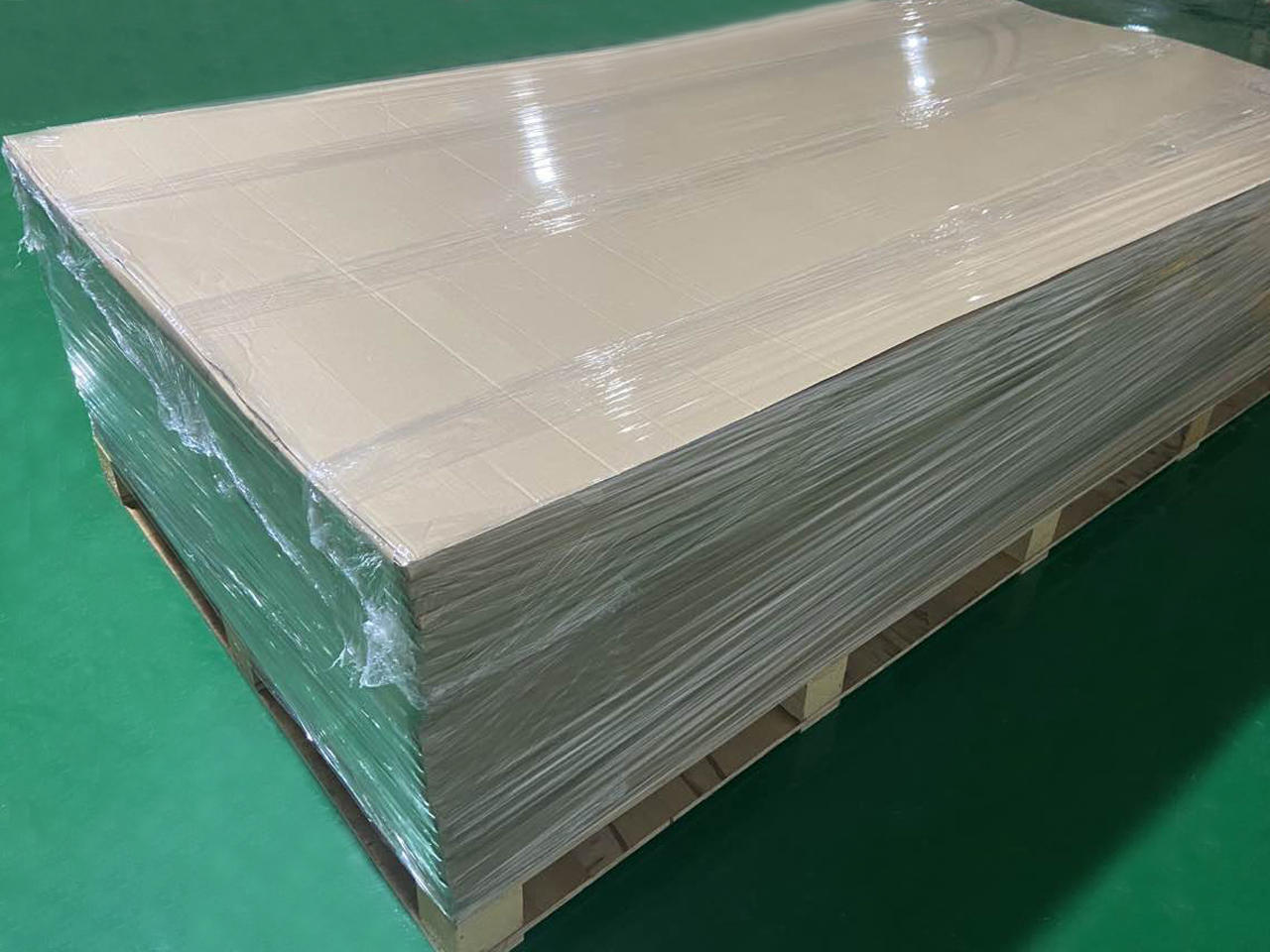
Packaging plays an important role in determining how materials behave under real conditions. Acrylic mirrors can be packed in high-density protective film, full-sheet PE coatings, or even stacked tightly without the constant fear of chipping. Their lighter weight reduces the pressure on the bottom layers of a pallet and allows denser packing without compromising safety.
Glass mirrors, even when cushioned with foam and reinforced crates, have a built-in vulnerability where one corner impact can cause full-sheet failure. This fragility forces suppliers to reduce stacking height, increase packaging cost, and accept a higher rate of loss during transit.
In practical terms, the shipping cost of an acrylic mirror is lower not only because its weight reduces freight charges but also because the packaging is more efficient and the damage rate is significantly reduced.

Long-distance shipping subjects materials to constant environmental changes. Temperature swings, humidity fluctuations, and pressure differences inside containers all interact with the materials. Glass is sensitive to thermal shock—rapid temperature shifts can generate internal stress. The reflective coating on traditional glass can also degrade or separate under prolonged vibration.
Acrylic mirrors maintain structural stability across a wide temperature span. The PMMA substrate expands and contracts gently without placing stress on the reflective layer. Large shipments moving across regions with varying climate conditions benefit from this stability. Whether the mirror travels from cold northern areas to humid southern ports or passes through inland regions with dry air, acrylic maintains integrity throughout the journey.

The way acrylic mirrors are processed contributes to their transportation performance. High-quality acrylic sheets are produced through continuous casting or extrusion, producing uniform density across the panel. The reflective coating is then vacuum-metalized or plated in controlled conditions, ensuring tight bonding. This combination creates a unified structure capable of enduring long transit periods.

Glass mirrors typically require adhesive backing or paint layers that do not always respond well to prolonged vibration. Over long trips, these layers can separate or crack, and the edges become vulnerable to impact.
The manufacturing stability of acrylic mirrors is especially important for clients ordering large batches or repeated shipments for chain-store decoration, architectural projects, or advertising fixture production.
Businesses handling signage, branding displays, or interior decorative installations often operate under tight deadlines. A single shipment of damaged glass can delay a project by days or even weeks. Labor scheduling, subcontractor costs, and client expectations are all affected.
The reduced breakage rate of acrylic mirrors (<2%) becomes a measurable advantage. Procurement teams appreciate the predictable loss rate, logistics coordinators benefit from lower replacement needs, and installation teams prefer materials that arrive intact and ready to cut, laser, or mount.
A typical batch of acrylic mirror 10x12, for example, can be dispatched with confidence that nearly every sheet will arrive in usable condition. This reliability is a key reason many businesses gradually shift from glass mirrors to acrylic alternatives.
Discussions about acrylic mirror vs glass mirror often focus on performance, but the cost implications are equally significant. With glass mirrors breaking up to 12% during long-distance shipping, companies face:
repackaging expenses
emergency reorders
wasted labor hours
project delays
unstable cost calculations for future bids
The stability of acrylic mirrors enables businesses to maintain accurate budgeting. Project managers can estimate materials with confidence, and large orders rarely require last-minute replacements.
Transport success is only part of the story. Once delivered, acrylic mirrors offer additional advantages for fabrication and installation. Cutting, routing, or shaping the sheets involves less risk. Workers face reduced likelihood of edge chipping or sudden breakage, and the final results maintain clarity and consistency across large installations.

Where glass mirrors require careful handling and specialized tools, acrylic mirrors allow more efficient workflows. This is especially true in sectors such as retail fixture manufacturing, exhibition construction, event staging, and architectural feature walls.
The shift is not a temporary trend but a structural change in how industries manage materials. Safety regulations increasingly favor shatter-resistant materials, especially in public venues. Lighter weight reduces occupational injury risk and speeds up installation. Transportation efficiency matters more as supply chains lengthen.
Because acrylic mirrors meet all these demands, the glass vs acrylic mirror decision is tilting heavily toward acrylic across a wide range of sectors. For companies seeking a consistent, durable, and logistics-friendly reflective material, acrylic mirrors provide a predictable and practical solution.


