

Views: 0 Author: Site Editor Publish Time: 2025-12-29 Origin: Site


Acrylic Mirror are a versatile and durable alternative to traditional glass mirrors, commonly used in both residential and commercial applications. These mirrors, made from acrylic mirror sheet, offer excellent optical clarity, lightweight properties, and high resistance to impact. However, one challenge that can arise during the manufacturing process is the failure of backing paint applied to the mirror surface. Understanding why this occurs and how to prevent it is essential for achieving long-lasting and reliable mirrored plexiglass products.

In this article, we’ll explore the common causes of backing paint failure on acrylic mirror, how to troubleshoot and fix these issues, and ways to improve the overall quality and durability of your mirror acrylic products.
Before diving into the causes of paint failure, it’s important to understand what makes acrylic mirrors unique. Plexiglass, also known as acrylic or PMMA (Polymethyl methacrylate), is a synthetic polymer that is commonly used in applications where glass would traditionally be used. Acrylic mirror sheet are made by applying a reflective layer to one side of the sheet, which is often followed by the addition of a protective paint or coating on the back to safeguard the reflective surface.
These mirrors are widely used because of their durability, light weight, and versatility. Whether for use in interior design, signage, or retail displays, mirror acrylic provides a reliable alternative to glass that is less prone to breaking, which makes it especially attractive for high-traffic areas.

However, the process of applying paint or a reflective backing layer to plexiglass can sometimes lead to issues such as peeling, bubbling, or discoloration over time. The paint or coating may fail to adhere properly to the surface, resulting in unsightly and costly defects.
One of the most common causes of backing paint failure on acrylic mirrors is surface contamination. Plexiglass sheets, like all plastic materials, are sensitive to oils, dust, and other impurities that may remain on the surface before painting. These contaminants can prevent proper adhesion of the backing paint to the acrylic mirror sheet, causing the paint to lift or peel off over time.

Even minor particles of dust or oils from fingerprints can create a barrier between the surface of the plexiglass and the paint. The paint then struggles to bond effectively, leading to peeling or flaking as the acrylic mirror is exposed to moisture, temperature fluctuations, or wear.
The key to a successful paint application on mirror acrylic is proper surface preparation. Plexiglass surfaces need to be thoroughly cleaned and often lightly abraded before painting. If this step is skipped or done incorrectly, the paint may fail to adhere uniformly, causing patches or streaks that will degrade over time.
Abrading the surface with a fine grit sandpaper or using a cleaning solution designed for plexiglass ensures the paint can create a stronger bond. Without this preparation, the paint may not stick properly, particularly on areas that have been inadequately cleaned or treated.
Another factor contributing to backing paint failure is the use of improper paint or coating for plexiglass surfaces. Acrylic and other plastic surfaces require specific types of paints that are compatible with their chemical structure. Standard paint formulations that work well on wood, metal, or glass may not bond properly to acrylic mirror sheets, resulting in peeling or cracking.
Using a paint that is formulated for use on mirror acrylic or acrylic is essential. Special acrylic paints or coatings are designed to adhere to the smooth surface of plexiglass and provide long-lasting protection. Choosing the wrong type of paint, such as one that is too thick or that dries too quickly, can result in an uneven coating and poor adhesion.
Environmental conditions during the painting process also play a significant role in the success or failure of the backing paint. Humidity, temperature, and airflow all affect how the paint adheres to acrylic mirror sheets. For example, if the paint is applied in a high-humidity environment, moisture can interfere with the drying process and prevent the paint from curing properly.
Additionally, if the temperature is too high or too low, the paint may not dry evenly or adhere well to the surface. It’s essential to apply paint in a controlled environment, with the appropriate temperature and humidity levels to ensure optimal adhesion.
Not all paints are created equal. The quality of the backing paint or coating used on mirror acrylic can vary significantly between manufacturers. Low-quality paints may be prone to cracking, yellowing, or fading over time, leading to premature paint failure. On the other hand, high-quality paints designed for use with acrylic mirror sheet offer superior durability and resistance to environmental stressors like UV light and moisture.
When selecting a paint or coating for plexiglass mirrors, it’s important to invest in high-quality materials that are formulated to provide long-lasting results, even in challenging environments.
The first and most important step in preventing backing paint failure is to thoroughly clean and prepare the acrylic mirror sheet surface before painting. Use a mild soap solution or a specialized cleaner designed for plexiglass to remove any dust, dirt, or oils from the surface. After cleaning, lightly abrade the surface with fine-grit sandpaper to create a rough texture that will allow the paint to adhere better.
Always select a paint that is specifically designed for use on acrylic mirror sheets or acrylic surfaces. Many suppliers offer acrylic paints or coatings that are designed to bond effectively with plexiglass, ensuring a durable and long-lasting finish. Be sure to choose a paint that is UV-resistant and moisture-resistant to avoid deterioration from environmental exposure.
Ensure that the painting process takes place in a controlled environment with the right temperature and humidity levels. Ideally, the room should be between 60-80°F (15-27°C) with low humidity. This will allow the paint to cure properly and prevent issues like peeling or bubbling.
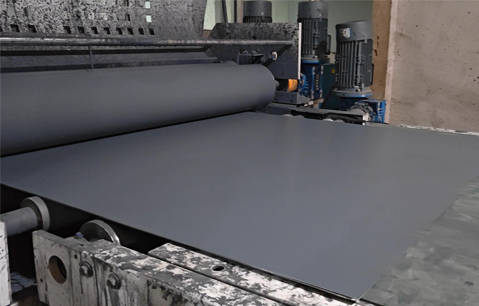
To achieve a smooth, precise finish, it is recommended to use automated equipment for coating the mirror acrylic rather than applying multiple thin layers manually. Mechanical coating ensures a uniform and consistent application of the backing paint, providing a more accurate and durable finish. This method eliminates the inconsistencies that can arise from manual coating and guarantees better adhesion across the entire surface.
After painting, consider applying a clear protective coating to the mirror acrylic. This additional layer can help seal the paint and protect it from scratches, moisture, and UV damage, extending the life of the mirror and improving its appearance over time.
Backing paint failure on acrylic mirrors is a common problem, but one that can be easily prevented with proper surface preparation, the right materials, and careful attention to environmental factors. By choosing the right paint, cleaning and preparing the surface correctly, and applying the paint under controlled conditions, manufacturers and end-users can ensure a high-quality finish that will last for years. Whether using one way mirror acrylic in security applications or acrylic mirror sheets in interior design, taking the time to follow best practices for painting will help achieve the best results for your plexiglass mirrors.


