

Views: 0 Author: Site Editor Publish Time: 2025-12-25 Origin: Site


When buyers compare acrylic mirror products, discussions often focus on material type, coating brand, or price per sheet. In real projects, however, long-term performance problems rarely come from the acrylic itself. They come from choosing the wrong thickness. Across retail interiors, wall-mounted displays, and large-format installations, thickness has a far greater impact on visual quality, stability, and service life than many buyers expect. Understanding how thickness influences behavior helps explain why two acrylic mirror projects using similar materials can age very differently.
Acrylic mirror sheets are valued for their lightweight structure and impact resistance, but optical stability depends heavily on rigidity. Thin acrylic mirror sheets tend to flex under their own weight, especially when used in larger formats such as acrylic mirror sheet 4×8. That flexing may not be obvious at installation, but it gradually affects reflection clarity as temperature changes and mounting points shift.

In contrast, thicker acrylic mirror panels maintain a flatter surface plane. This stability reduces distortion in mirrored acrylic mirrors used for wall installations or commercial displays. Many projects blamed on “low-quality acrylic mirror” are actually thickness-related issues, where the mirror acrylic sheet could not maintain flatness under real conditions.
Scratch resistance is often discussed as a coating or surface issue, but thickness plays a secondary role that buyers frequently overlook. Thinner acrylic mirror sheets transmit vibration more easily during cleaning, transport, or daily contact. This makes micro-scratches more visible over time, especially in high-traffic environments.

Thicker acrylic sheet mirror products absorb minor impacts and pressure more evenly. Even when surface scratches occur, the reflection distortion is less noticeable because the panel remains rigid. This is why acrylic wall mirror installations in gyms, retail fitting rooms, or children’s areas often specify thicker acrylic plexiglass mirror sheets despite higher initial cost.
The popularity of acrylic mirror sheet 4×8 sizes has grown due to fewer seams and faster installation. Large-format sheets, however, magnify thickness-related issues. A thin acrylic mirror sheet may appear acceptable in smaller panels but begins to show waviness or edge curl when scaled up.

In mirrored acrylic mirrors used for feature walls or decorative partitions, insufficient thickness leads to mounting stress. Over time, this stress transfers to fasteners or adhesives, increasing the risk of detachment or uneven reflections. Choosing the correct thickness for large acrylic mirror sheets is a structural decision rather than a cosmetic one.
Thickness directly affects installation flexibility. Thin acrylic mirror sheets require full backing support to prevent deformation. Without it, even a well-manufactured acrylic mirror can lose visual quality. Thicker acrylic wall mirror panels allow more installation options, including partial backing or mechanical mounting systems.
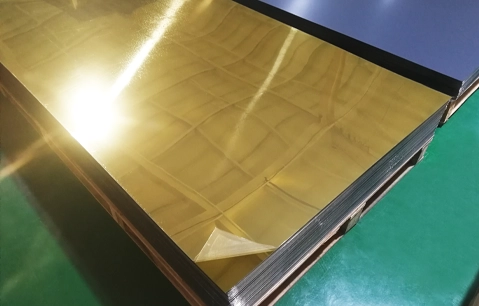
This distinction matters for contractors and designers who want predictable results. Acrylic plexiglass mirror projects installed with inconsistent backing often fail prematurely, not because of material defects, but because thickness was underestimated during planning.
All acrylic materials expand and contract with temperature changes. The difference lies in how thickness moderates that movement. Thin acrylic mirror sheets respond more dramatically to temperature swings, which can lead to visible warping in indoor spaces with fluctuating climate control.

Thicker acrylic mirror products distribute thermal stress more evenly across the panel. This reduces long-term deformation and keeps mirrored acrylic mirrors visually consistent in environments such as shopping malls, airports, or exhibition halls where temperature varies throughout the day.
From a purchasing standpoint, thinner acrylic mirror sheets appear attractive due to lower upfront cost. Over a project lifecycle, however, replacements, reinstallation, and visual complaints often outweigh initial savings. Buyers who specify thicker acrylic mirror sheet options tend to see fewer maintenance issues and longer service intervals.

This is particularly relevant for B2B buyers sourcing acrylic sheet mirror products for chain stores or repeat projects. Consistency across locations depends more on thickness standardization than on minor material differences.
Material quality is not irrelevant. The base acrylic grade, mirror coating adhesion, and protective film all influence performance. Thickness, however, determines whether those material advantages can be fully realized. A high-quality mirror acrylic sheet loses its benefits if it is too thin for the application.

In practice, experienced buyers evaluate acrylic mirror projects by matching thickness to use case first, then refining material specifications. This approach aligns with how acrylic mirrors perform in real environments rather than laboratory conditions.
As acrylic mirrors continue replacing glass in commercial and decorative applications, thickness has become a defining factor in project success. Whether specifying acrylic wall mirror panels, large-format acrylic mirror sheet 4×8 sizes, or custom acrylic plexiglass mirror designs, thickness determines how well the mirror maintains clarity, stability, and appearance over time.
Understanding this relationship helps buyers move beyond surface-level comparisons and make decisions based on performance rather than assumptions. In acrylic mirror projects, thickness is not a minor detail. It is the foundation of durability and visual reliability.


