

Views: 0 Author: Site Editor Publish Time: 2026-11-06 Origin: Site


A building facade must balance appearance, weight, and durability. Could one material meet all three needs? An aluminum honeycomb panel combines lightweight construction with structural rigidity. This makes it worth considering for modern facade projects. In this article, we explore its benefits, weather resistance, fire performance, and installation requirements. You'll also learn how to compare materials and choose the right panel.
An aluminum honeycomb panel offers several features for modern facade projects. Its main value comes from the combination of lightweight construction and structural rigidity. These properties can support large-format exterior wall designs.
However, performance depends on the complete panel specification. Face-sheet thickness, core structure, bonding quality, and mounting methods all matter. Buyers should evaluate these factors together.
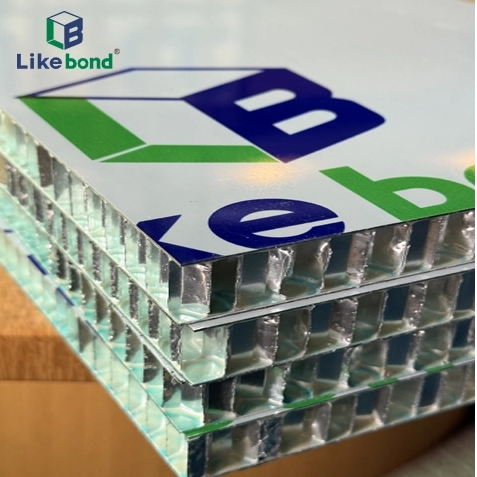
An aluminum honeycomb panel uses a sandwich structure. Two aluminum face sheets surround a lightweight honeycomb core. This design separates the face sheets and helps them resist bending.
The core supports the outer layers across the panel area. It helps distribute loads through the composite structure. This can provide useful stiffness without using a solid metal core.
The final performance depends on several design factors. Face-sheet thickness, cell size, core foil, and adhesive bonding all influence results. Manufacturers should provide test data for the proposed panel.
Building facades add permanent loads to supporting structures. Reducing cladding weight can help manage these loads. It may also simplify transportation and material handling.
Lightweight aluminum honeycomb facade panels can support projects requiring larger cladding formats. Their lower mass may make lifting and positioning easier. Actual handling requirements still depend on panel dimensions.
Weight alone does not determine suitability. Buyers should consider panel thickness, core density, fixing systems, and wind loads. The complete facade assembly needs structural verification.
Large facade panels can create clean architectural lines. They may also reduce the number of visible joints. This makes dimensional stability an important selection factor.
The honeycomb core helps maintain panel stiffness. However, larger dimensions can increase deflection risks. Support spacing and wind pressure must therefore be considered during design.
Architects should confirm the maximum panel size through engineering calculations. They should also review edge reinforcement and fixing locations. A sample installation can help identify fabrication and alignment issues.
Exterior panels face rain, humidity, sunlight, and temperature changes. Wind pressure also places demands on the facade system. Material selection must account for these conditions.
Aluminum honeycomb panel weather resistance depends on alloy selection and surface treatment. Coatings help protect exposed surfaces. Proper edge sealing also reduces moisture-related risks.
Joints and mounting details are equally important. Water can enter through poorly designed connections. Contractors should evaluate drainage, sealants, and thermal movement as part of the complete system.
Fire safety is a major concern in exterior wall construction. An aluminum face sheet does not automatically make a composite panel fireproof. Core materials and bonding components also influence fire behavior.
Buyers should identify the exact core composition. They should review the adhesives, coatings, and complete panel construction. These materials may affect the panel's fire classification.
Project requirements vary by location and building type. Contractors should request relevant fire test reports. They must also confirm compliance with applicable facade regulations.
Note: Fire performance must be verified for the complete composite panel, not individual aluminum components.
Surface finishes influence both appearance and outdoor performance. Common options include PVDF coatings, powder coatings, and anodized finishes. Each offers different visual and protective characteristics.
Architects can select solid colors, metallic effects, and customized appearances. These options support different building styles. Consistent coating quality also helps maintain a uniform facade appearance.
Buyers should check coating specifications before ordering. UV exposure, color retention, and corrosion protection require consideration. Sample panels can help confirm the expected finish.
Facade installation involves transportation, lifting, positioning, and fixing. Panel weight and dimensions affect each stage. Accurate fabrication can reduce adjustment work on site.
Prefabricated panels can support more organized installation planning. They may arrive with prepared edges and fixing details. This depends on the supplier's manufacturing capabilities and project drawings.
Installation accuracy remains essential. Contractors should check tolerances, bracket positions, and fixing details. Clear technical drawings help coordinate fabrication and construction.
Tip: Request a full-size facade sample before mass production. It helps verify appearance, joints, and installation details.
Material comparison helps buyers understand the practical value of honeycomb panels. Different cladding systems offer different combinations of weight, stiffness, appearance, and installation requirements.
The best choice depends on project conditions. Architects should compare complete product specifications rather than relying on material names alone.
Solid aluminum panels use a single metal sheet. Honeycomb panels use two face sheets and a lightweight core. Their internal structures create different weight and stiffness characteristics.
A honeycomb structure can provide greater bending stiffness at a similar overall panel thickness. It can also support larger panel formats. Actual performance depends on the selected construction.
Solid aluminum may suit projects requiring simpler fabrication. Honeycomb panels may suit larger cladding sections. Buyers should compare weight, deflection, thickness, and total installed cost.
Aluminum composite panels usually contain two aluminum sheets and a polymer-based or mineral-filled core. Honeycomb panels use a cellular core structure. This creates differences in internal construction and mechanical behavior.
Honeycomb panels can offer high bending stiffness relative to their weight. Composite panels may provide advantages in certain applications, including established fabrication methods and product availability. Neither option is automatically suitable for every facade.
Fire performance deserves particular attention. Different core materials can produce different fire classifications. Buyers should check complete product test reports and local building requirements before making a decision.
Natural stone provides a distinctive appearance and substantial surface hardness. However, stone panels can create greater dead loads. Their transportation and installation may also require heavier supporting systems.
Aluminum honeycomb panels offer a different design approach. They combine a metal finish with a lightweight composite structure. They can also support customized colors and panel dimensions.
Ceramic and other facade materials have their own advantages. Their suitability depends on climate, structural design, maintenance, and budget. Project teams should compare installed systems rather than material prices alone.
Evaluation factor | Aluminum honeycomb panel | Solid aluminum panel | Aluminum composite panel |
|---|---|---|---|
Structure | Sandwich construction | Single metal sheet | Composite core |
Weight | Generally lightweight | Depends on sheet thickness | Generally lightweight |
Bending stiffness | Depends on core and face sheets | Depends on sheet thickness | Depends on core construction |
Panel format | Supports large-format designs | Depends on thickness and support | Supports various formats |
Fire performance | Requires complete panel testing | Depends on coating and assembly | Depends on core and construction |
Application | Architectural facade cladding | Exterior and interior cladding | Exterior and interior cladding |
Tip: Compare certified test results, installed weight, and fixing requirements. These provide a more useful basis for selection than price per square meter alone.
Correct installation is essential for facade performance. Even a well-manufactured panel can develop problems if its support system is unsuitable.
The panel, brackets, joints, and building substrate must work together. Installation planning should begin before panel production.
Mechanical fixing systems commonly use brackets and supporting frames. Aluminum profiles can connect panels to the main building structure. Fasteners transfer loads through designated fixing points.
Some projects use concealed fixing arrangements. These can create a cleaner exterior appearance. Their design must still provide suitable strength and accessibility.
The mounting method depends on panel construction and project requirements. Buyers should confirm fixing details with the panel manufacturer and facade engineer. Unsupported fixing arrangements can increase the risk of panel movement.
Panel dimensions influence transportation and site handling. Large panels may reduce visible joints. However, they can require specialized lifting equipment.
Customized dimensions can help match architectural layouts. They can also reduce unnecessary cutting on site. Accurate measurements are essential before fabrication begins.
Manufacturers should confirm panel tolerances and edge details. Contractors must check openings, corners, and connection positions. Clear drawings help prevent installation conflicts.
Facade joints allow panels to connect while accommodating movement. They also help manage rainwater and moisture. Poor joint design can affect the performance of the complete exterior wall.
Sealants and gaskets provide protection at selected connections. Expansion gaps accommodate movement caused by temperature changes. Edge protection helps reduce exposure of vulnerable panel components.
Drainage should also be considered. Water must not become trapped inside facade connections. Contractors should follow the approved facade design and installation instructions.
The building substrate must meet project requirements. Contractors should inspect support positions and bracket alignment. They should also confirm the condition of the fixing components.
Every panel should be checked before installation. Look for surface damage, dimensional deviations, and edge defects. Incorrect panels should be identified before they enter the installation process.
Mock-up testing can help verify the proposed arrangement. It allows teams to inspect appearance, joints, and fixing details. This step is particularly useful for large or complex facade projects.
Note: Facade installation should follow approved structural drawings and project-specific wind load calculations.
Long-term facade performance depends on material selection and installation quality. Surface coatings, corrosion protection, and routine inspections all influence maintenance needs.
An aluminum honeycomb panel should be evaluated as a complete composite product. Its face sheets, core, adhesive, and edge construction all contribute to performance.
Exterior coatings protect aluminum surfaces from environmental exposure. PVDF coatings are commonly considered for architectural applications. They offer useful weathering and color-retention properties when properly specified.
Powder coating provides another finishing option. It offers a range of colors and surface appearances. Anodizing creates a controlled oxide layer on suitable aluminum surfaces.
Each finish has different application requirements. Buyers should check coating thickness, pretreatment, and relevant test results. They should also consider the project's climate and maintenance plan.
Aluminum can develop corrosion under certain environmental conditions. Salt exposure, trapped moisture, and unsuitable material combinations can increase risks. Edge details deserve particular attention.
Dissimilar metals may cause galvanic corrosion when electrical contact occurs in the presence of moisture. Compatible fasteners and isolation materials can help reduce this risk. Proper drainage also limits prolonged water exposure.
Manufacturers should select suitable alloys and protective treatments. Contractors should inspect cut edges and connections. Material compatibility should be confirmed before installation.
Routine cleaning helps maintain the facade appearance. Cleaning methods should match the selected coating. Harsh chemicals and abrasive tools may damage the finish.
Visual inspections help identify early problems. Check joints, sealants, fixing points, and exposed edges. Look for coating damage, loose components, and signs of moisture entry.
Maintenance frequency depends on local conditions. Coastal and industrial environments may require closer inspection. Building owners should follow the coating manufacturer's maintenance guidance.
Tip: Include cleaning methods and inspection intervals in the project maintenance plan. This helps building operators manage facade condition over time.
Selecting the right panel requires more than checking its appearance. Buyers should review construction, structural performance, fire classification, and supplier quality control.
Clear specifications also help prevent misunderstandings between architects, contractors, and manufacturers. They provide a common basis for quotation and product acceptance.
Start by checking the aluminum face-sheet alloy and thickness. These affect panel weight and mechanical behavior. Both sides should match the approved product specification.
Next, review honeycomb cell size and core foil thickness. These details influence the internal structure. Bonding materials and manufacturing methods also affect composite performance.
Request a technical data sheet for the complete panel. It should identify the main materials and product dimensions. Buyers can review the manufacturer's aluminum honeycomb panel range when comparing available configurations.
Exterior facade panels must withstand project-specific wind loads. Their performance depends on panel dimensions, support spacing, and fixing arrangements. Building height and location also influence design requirements.
Ask for bending stiffness, deflection, and strength information. Review the test conditions behind the reported values. Results should match the proposed panel construction.
Structural calculations should cover the complete facade assembly. They should include brackets, fasteners, and supporting frames. A panel's material strength alone cannot confirm facade safety.
Fire classification should be verified for the complete composite panel. The core, adhesives, coatings, and face sheets can influence the result. Individual aluminum material certificates are not sufficient.
Buyers should request relevant fire test reports. Confirm the tested panel construction matches the supplied product. Changes in core or bonding materials may affect classification.
Local building codes determine applicable requirements. Project teams should consult qualified facade and fire-safety professionals. This is particularly important for high-rise buildings and regulated projects.
Facade projects often require customized dimensions and finishes. Buyers should confirm available panel sizes, colors, and edge treatments. They should also check whether special fabrication is available.
Manufacturing quality control should cover bonding and dimensional accuracy. Surface inspection is also important. Consistent production helps maintain appearance across multiple facade sections.
Request samples and technical drawings before ordering. Discuss packaging, delivery, and inspection procedures. The supplier's product information and technical resources can also help buyers review available panel solutions.
Tip: Include face-sheet thickness, core specifications, fire classification, coating requirements, and fixing details in the purchase specification.
An aluminum honeycomb panel combines lightweight construction, rigidity, and design flexibility. Its facade performance depends on materials, coatings, fire ratings, and installation quality.
Visit Acrylic Supplier to explore customized aluminum honeycomb panels. Their product options help architects and contractors meet different facade design and material requirements.
A: It offers lightweight construction, high rigidity, and design flexibility.
A: Its honeycomb core supports stiffness while reducing panel weight.
A: Yes, suitable coatings, sealed edges, and joints help resist outdoor exposure.
A: Not always. Check the complete panel's fire test results.
A: Costs depend on panel specifications, finishes, mounting systems, and installation.


