

Views: 0 Author: Site Editor Publish Time: 2026-03-10 Origin: Site


Furniture materials have evolved significantly in recent decades as designers search for new ways to combine durability, aesthetics, and practicality. Traditional wood-based products such as plywood furniture have been widely used in homes, offices, and commercial interiors for many years. At the same time, modern materials like acrylic sheets are increasingly appearing in contemporary furniture design. Transparent, glossy, and highly adaptable, acrylic materials have opened new possibilities for furniture manufacturing.
The growing popularity of acrylic sheet furniture has sparked discussion about how it compares with traditional materials such as furniture grade plywood. Both materials have their place in interior design, but their structures, manufacturing processes, and visual effects differ considerably. Understanding these differences helps designers, manufacturers, and buyers choose the most suitable material for specific furniture applications.
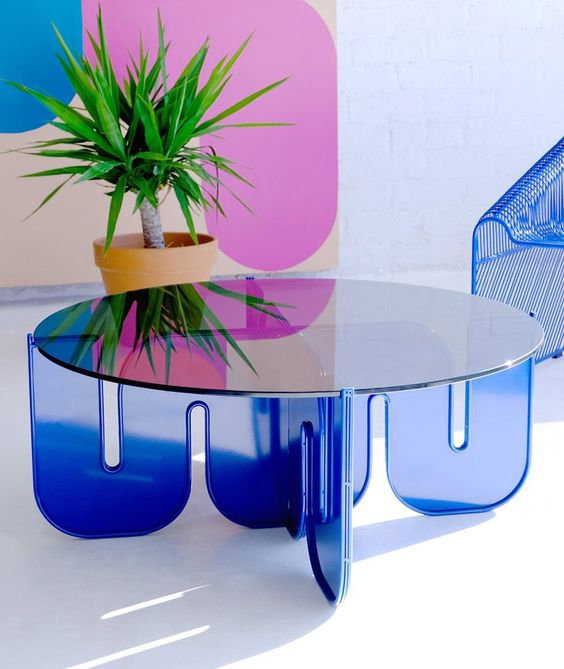
Furniture made from acrylic sheets is typically produced using polymethyl methacrylate, commonly known as PMMA. This material is valued for its glass-like clarity, high light transmission, and resistance to weather and aging. In furniture design, acrylic sheet for furniture can be transparent, colored, frosted, or mirrored, allowing designers to create visually striking pieces that combine function with artistic expression.
The production of acrylic sheet furniture involves several fabrication techniques. Acrylic panels are usually cut using precision tools such as laser cutters, CNC routers, or panel saws. The material can then be polished, bent, or thermoformed into different shapes. Heat bending is a particularly important technique because acrylic softens at elevated temperatures and can be molded into smooth curves without losing structural strength after cooling.
Edges of acrylic panels are often polished to create a crystal-clear finish, enhancing the material’s modern appearance. Some furniture designs combine multiple layers of acrylic sheets, bonded with specialized adhesives that maintain transparency. In other designs, acrylic components are integrated with metal frames or wooden bases to create hybrid structures.
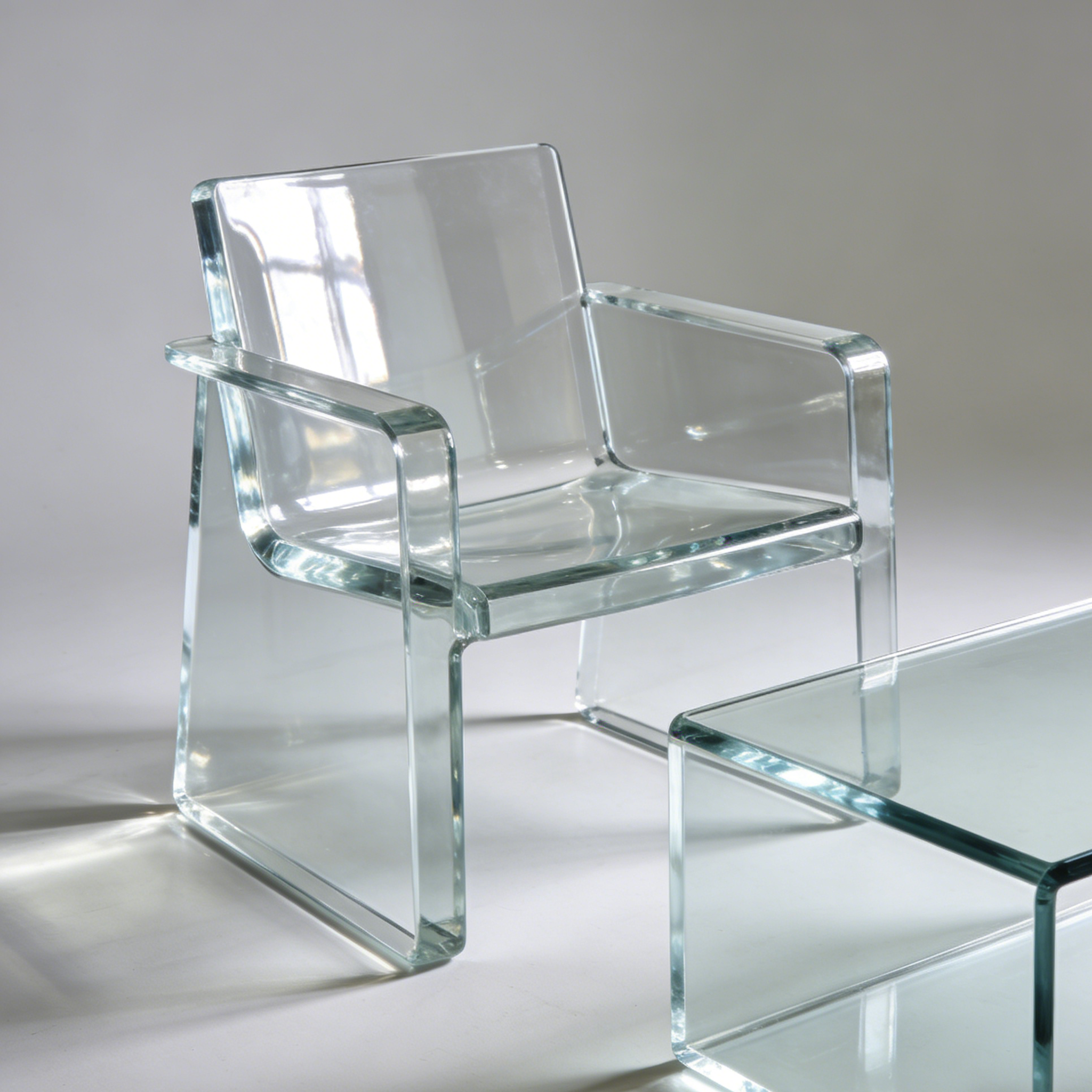
Because acrylic is lightweight compared with glass yet maintains excellent rigidity, it has become a preferred material for contemporary furniture items such as coffee tables, chairs, shelving systems, display cabinets, and decorative partitions. Retail environments frequently use acrylic sheet furniture to create minimalist display tables and product stands that emphasize the items being presented.
Before modern plastics entered the furniture industry, wood-based materials dominated interior manufacturing. Plywood furniture remains a widely used solution for residential and commercial interiors due to its familiarity, structural reliability, and natural appearance.
Plywood itself is a composite material created by bonding thin layers of wood veneer together under heat and pressure. Each veneer layer is arranged with its grain direction perpendicular to the previous layer. This cross-laminated structure improves dimensional stability and reduces the risk of warping compared with solid wood.
High-quality furniture grade plywood uses carefully selected veneers and durable adhesives to produce panels suitable for furniture manufacturing. These panels are commonly cut, assembled, and finished with laminates, veneers, or paint to achieve the desired appearance.
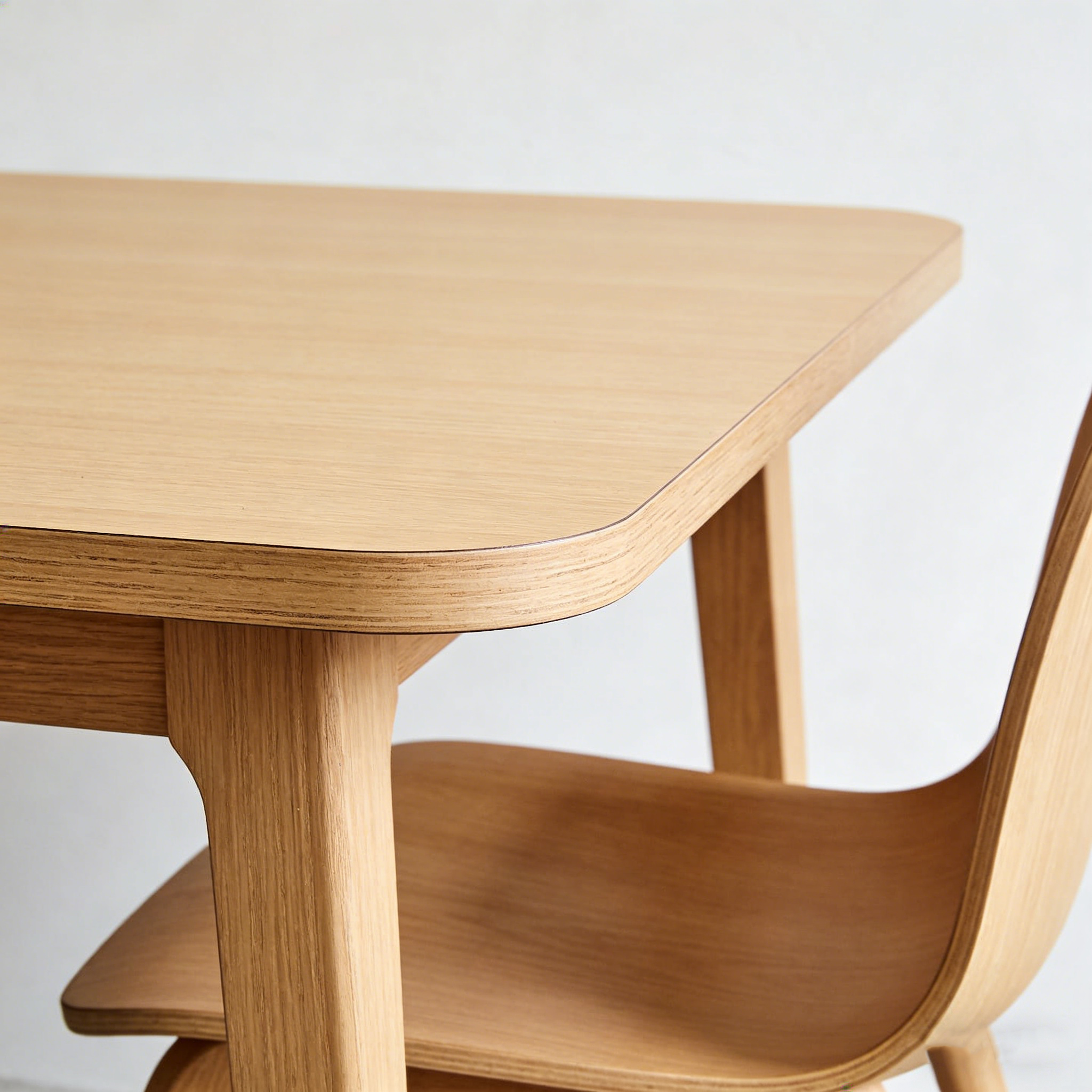
Manufacturers use plywood to produce cabinets, wardrobes, desks, and shelving units. The material is also widely applied in interior construction such as wall panels and built-in furniture systems. Because furniture grade plywood provides a relatively strong structural core, it can support heavy loads and withstand everyday use.
Although plywood furniture has long been considered reliable, its natural composition means that it reacts to humidity, temperature changes, and long-term wear differently than synthetic materials like acrylic sheets.
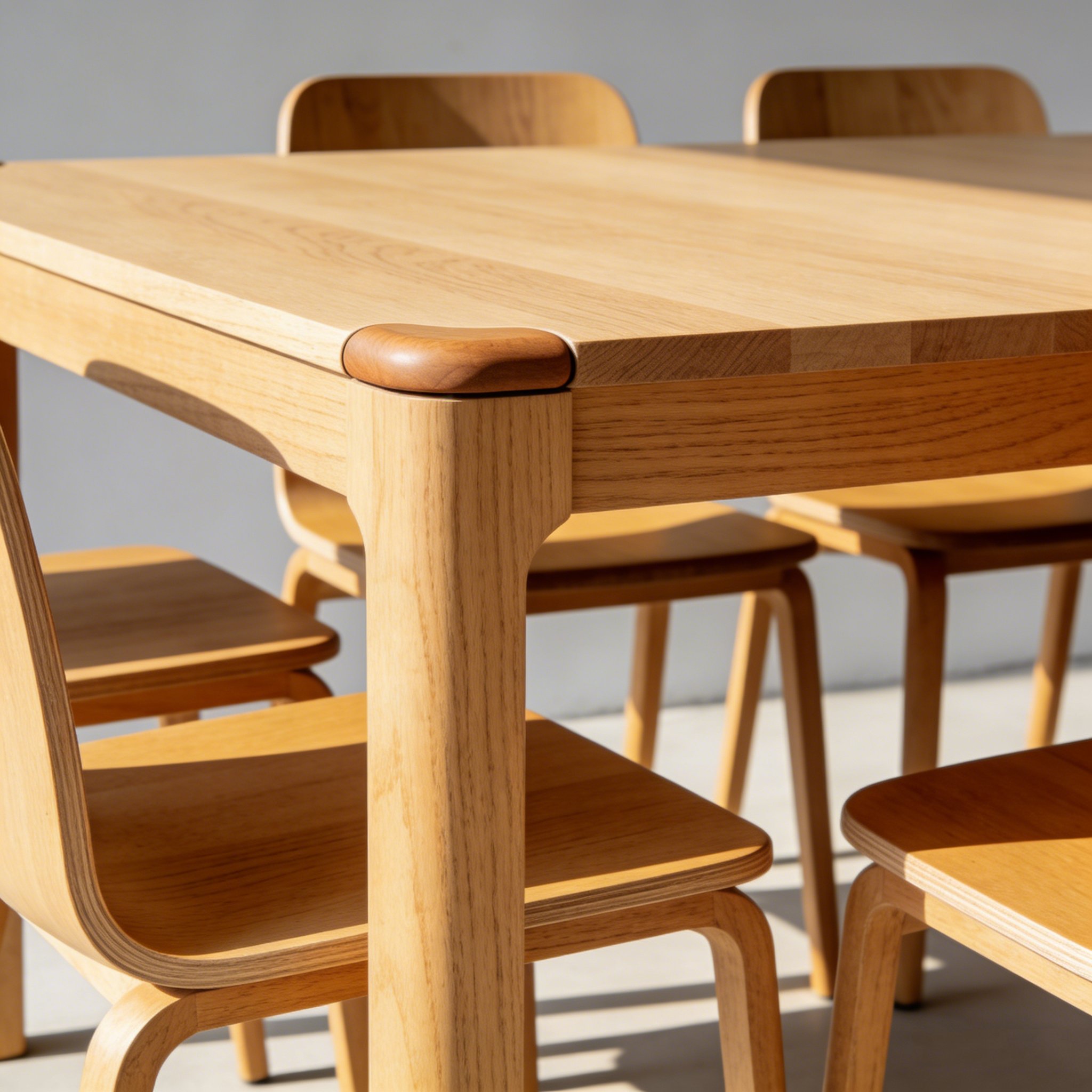
The aesthetic difference between acrylic sheet furniture and plywood furniture becomes immediately noticeable in contemporary interiors. Acrylic materials bring a sense of lightness and transparency that traditional wood-based materials cannot replicate.
Clear acrylic sheets allow light to pass through furniture components, creating an almost invisible structural effect. Tables, chairs, or shelves made from acrylic can visually enlarge a room because they do not block light or sightlines. Designers often use acrylic sheet for furniture in small apartments, retail stores, or exhibition spaces where openness and brightness are important.

Color versatility also plays a role in modern furniture design. Acrylic sheets are available in a wide range of colors, from completely transparent panels to vibrant opaque tones. Some sheets feature mirror finishes or frosted surfaces that diffuse light softly across the room. This flexibility allows furniture designers to experiment with creative forms that would be difficult to achieve with furniture grade plywood.
Wood-based furniture, including plywood furniture, tends to emphasize natural textures and traditional craftsmanship. While this aesthetic suits many environments, it does not always align with the sleek and futuristic appearance desired in modern commercial spaces. Acrylic furniture therefore appeals strongly to designers seeking a clean, contemporary style.
Durability is another factor that often influences material selection in furniture production. Acrylic sheets offer strong resistance to moisture, UV radiation, and many environmental conditions. Unlike wood-based panels, acrylic does not absorb water or swell when exposed to humidity. This property makes acrylic sheet furniture suitable for environments where moisture might be present, including kitchens, bathrooms, and certain commercial interiors.
The surface of acrylic materials also maintains its color and clarity over time. High-quality acrylic sheets resist yellowing when exposed to sunlight and maintain their glossy appearance for many years. This stability is one reason acrylic has become popular in display furniture used in retail stores and exhibition halls.

By comparison, plywood furniture relies on adhesives and wood fibers that may react to environmental changes. High humidity can cause expansion or slight deformation, especially if protective coatings are damaged. Even furniture grade plywood requires careful finishing and sealing to maintain its long-term stability.
Another aspect of durability relates to surface maintenance. Acrylic surfaces can be cleaned easily with mild solutions and soft cloths, allowing acrylic sheet furniture to maintain a polished appearance with minimal effort. Wood-based furniture surfaces often require refinishing or protective coatings after extended use.
Structural strength is often cited as a reason for using wood-based materials in furniture manufacturing. Furniture grade plywood provides good load-bearing capacity because its layered structure distributes mechanical stress effectively. Large cabinets or heavy storage systems therefore frequently rely on plywood cores.
Acrylic materials offer a different type of structural advantage. Although acrylic sheets are lighter than many wood panels, they provide excellent rigidity when used in appropriate thicknesses. The material also allows for seamless bending and sculptural designs that are difficult to achieve with plywood.
Designers can create curved or flowing shapes by heating and forming acrylic sheet for furniture into precise forms. This capability opens possibilities for innovative furniture structures that combine both functionality and artistic expression. Transparent acrylic chairs, curved shelving units, and floating display tables illustrate how the material supports modern design concepts.
The precision of acrylic fabrication also contributes to its growing popularity. CNC cutting and laser processing enable manufacturers to produce components with extremely smooth edges and tight tolerances. These characteristics allow acrylic sheet furniture to achieve a refined and high-end appearance.
The growing interest in acrylic sheet furniture reflects broader changes in interior design trends. Many modern spaces emphasize openness, brightness, and visual simplicity. Transparent furniture supports these goals by reducing visual clutter while maintaining functionality.
Retail environments provide a clear example of this shift. Display tables made from acrylic sheets allow merchandise to stand out without distraction. Museums and galleries also rely on acrylic display furniture because the material does not visually compete with exhibited objects.

Another reason designers choose acrylic sheet for furniture is its compatibility with other materials. Acrylic panels can be combined with metal frames, LED lighting, or wooden bases to create hybrid furniture designs. This flexibility allows architects and interior designers to experiment with layered visual effects.
Compared with plywood furniture, acrylic furniture often feels more modern and distinctive. While wood-based furniture remains important in many traditional interiors, acrylic materials offer a fresh alternative that reflects contemporary architectural styles.
Both acrylic sheets and furniture grade plywood have clear advantages depending on the intended application. Wood-based materials continue to provide reliable structural support for many types of furniture, especially where natural textures and traditional aesthetics are desired.
At the same time, the design flexibility, visual clarity, and environmental resistance of acrylic sheet furniture have made it an increasingly attractive choice in modern interiors. Transparent surfaces, vibrant colors, and sculptural forms allow designers to create furniture pieces that stand out as functional works of art.
As interior spaces continue to evolve, materials like acrylic sheets are likely to play an even larger role in furniture manufacturing. Their combination of durability, elegance, and creative potential offers a compelling alternative to conventional plywood furniture, particularly in environments where design innovation and visual impact are essential.


