

Views: 0 Author: Site Editor Publish Time: 2025-12-23 Origin: Site


When it comes to selecting the right mirror material for your project, there are several options available. Among the most popular choices are acrylic mirrors and polycarbonate mirrors. Both materials have their unique advantages and are widely used in various applications, from home décor to commercial displays and beyond. However, the decision between acrylic and polycarbonate mirrors can often be a daunting one. Understanding the differences in their properties, durability, and applications can help you make the right choice for your specific needs.
Acrylic mirrors are made from a lightweight and durable plastic material, often referred to as "plexiglass." Acrylic mirrors have become increasingly popular in industries ranging from interior design to retail display, due to their excellent reflective quality, versatility, and ease of installation. One of the key advantages of acrylic mirrors is their ability to mimic the appearance of glass mirrors while being far more lightweight and easier to handle.

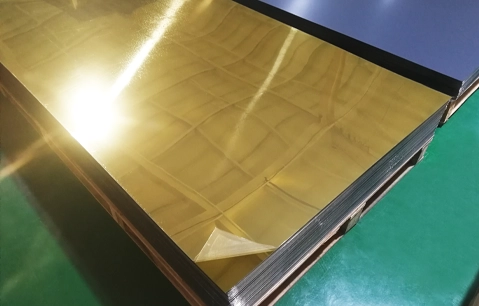
These mirrors come in various thicknesses, including the widely-used acrylic mirror sheet 4×8, which is perfect for large-scale installations and custom applications. The reflective surface of an acrylic mirror is produced through a special process that gives it a clear and vibrant reflection. Acrylic mirrors are often used in commercial and residential environments where glass mirrors would be too heavy or fragile.
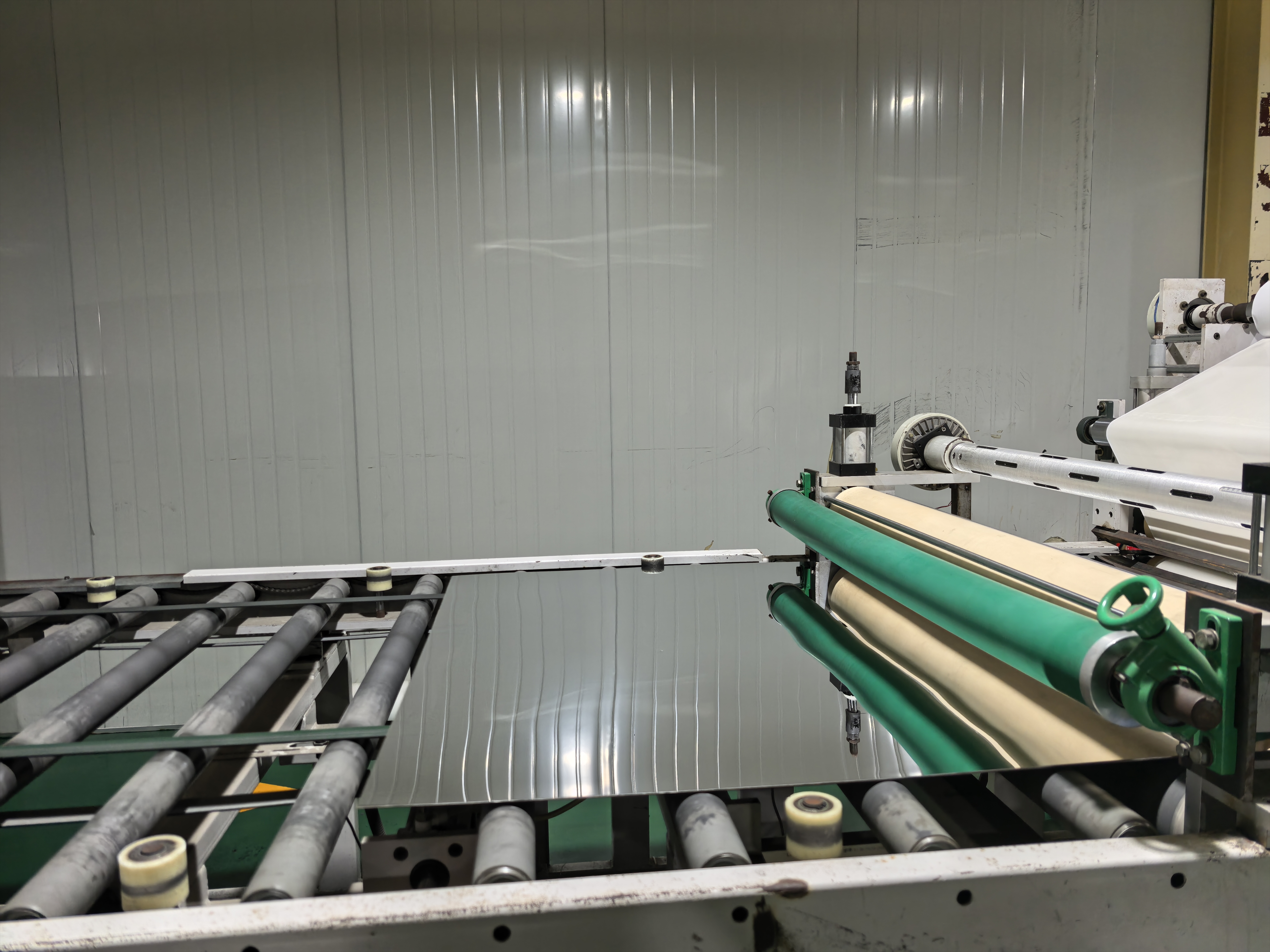
Another benefit of acrylic mirrors is their ability to be shaped and customized for a wide variety of applications. From gold mirror acrylic for a touch of elegance to custom shapes and sizes, acrylic mirrors can meet almost any design requirement. They are often used in interior décor, signage, retail displays, and more. Acrylic mirrors are also highly resistant to UV light, making them a great choice for outdoor installations where exposure to sunlight could cause damage to other materials.
Polycarbonate mirrors, on the other hand, offer a different set of benefits. Made from a high-performance thermoplastic material, polycarbonate mirrors are known for their exceptional strength and impact resistance. Polycarbonate is often referred to as a "bulletproof" material because it can withstand significant impact without breaking or cracking. This makes polycarbonate mirrors an ideal choice for high-security environments, such as in schools, hospitals, and prisons, where safety and durability are paramount.
Despite its impressive durability, polycarbonate is still relatively lightweight, which makes it easier to work with than traditional glass mirrors. However, compared to acrylic mirrors, polycarbonate mirrors tend to be slightly more expensive due to the higher cost of production. They also have a slightly lower reflective quality than acrylic mirrors, which may not be ideal for certain applications where clear, vibrant reflections are crucial.

Polycarbonate mirrors can also be customized for a range of applications, but they are more commonly used in environments where durability and impact resistance are prioritized over aesthetic appeal. For example, polycarbonate mirrors are commonly used in industrial settings, transportation, and safety applications.

When choosing between acrylic and polycarbonate mirrors, there are a few critical factors to consider: durability, clarity, cost, and application suitability. Each material excels in different areas, and the best choice depends on the specific requirements of your project.
Durability and Impact Resistance: Polycarbonate mirrors are significantly more impact-resistant than acrylic mirrors. They are ideal for high-traffic areas or locations where the mirror may be subject to rough handling or accidental collisions. However, acrylic mirrors are still quite durable and can withstand light impacts, making them suitable for most general applications.
Clarity and Reflective Quality: Acrylic mirrors typically offer superior clarity and a more vibrant reflective surface compared to polycarbonate mirrors. The reflective coating on acrylic mirrors is highly polished, giving them a glass-like finish that is ideal for interior décor and retail displays. Polycarbonate mirrors, while still reflective, may have a slightly less brilliant finish and are often used in functional rather than decorative applications.
Cost: Acrylic mirrors are generally more affordable than polycarbonate mirrors, making them a popular choice for budget-conscious consumers. Polycarbonate mirrors, due to their increased strength and impact resistance, tend to be more expensive. However, the added cost may be justified for specific applications that require additional durability and security.
UV Resistance: Acrylic mirrors are highly resistant to UV rays, which can help prevent yellowing and degradation over time. This makes acrylic mirrors a better option for outdoor applications or environments with exposure to direct sunlight. Polycarbonate mirrors are also UV resistant but may not perform as well as acrylic in prolonged outdoor settings.
Customization and Versatility: Both acrylic and polycarbonate mirrors can be customized to meet specific size and shape requirements. Acrylic mirrors are more commonly used for decorative purposes, as they can be easily cut and shaped into various forms. Polycarbonate mirrors are more commonly used in environments where safety and durability take precedence over aesthetic considerations.
Acrylic mirrors are incredibly versatile and can be used in a wide range of applications. Some of the most common uses for acrylic mirrors include:
Interior Design: Acrylic mirrors are often used in home décor, from bathroom mirrors to decorative wall pieces. They are available in a variety of colors and finishes, including the ever-popular gold mirror acrylic, which adds a touch of luxury to any space.

Retail Displays: Acrylic mirrors are widely used in retail environments for displays, signage, and promotional materials. Their lightweight nature and ease of customization make them a great choice for creating eye-catching displays that attract customers.
Signage: Acrylic mirrors are also commonly used for signage, both indoors and outdoors. Their resistance to UV rays and ability to hold up in various weather conditions make them a popular choice for business and street signage.

Polycarbonate mirrors, while not as commonly used for decorative purposes, are highly suitable for a range of practical applications. Some of the most common uses for polycarbonate mirrors include:
Safety and Security: Polycarbonate mirrors are often used in high-security environments, such as correctional facilities, hospitals, and schools. Their impact resistance and shatterproof nature make them an ideal choice for areas where safety is a priority.
Transportation: Polycarbonate mirrors are used in vehicles, including buses and trains, as well as in industrial settings where safety is a concern. Their durability makes them a reliable choice for transportation applications.
Ultimately, the choice between acrylic and polycarbonate mirrors depends on your specific needs. If you're looking for a mirror that offers excellent clarity, vibrant reflections, and ease of customization, acrylic mirrors are an ideal choice. They are perfect for applications such as home décor, retail displays, and signage, where aesthetics and visual appeal are important.
On the other hand, if durability, impact resistance, and safety are your top priorities, polycarbonate mirrors may be the better option. These mirrors are perfect for high-security environments or applications where the mirror may be subject to heavy use or accidental damage.
When choosing between these two materials, it's essential to consider the specific requirements of your project, including the desired level of durability, clarity, and cost. By understanding the strengths and weaknesses of both acrylic and polycarbonate mirrors, you can make an informed decision that best meets your needs.
At Likebond, we offer a wide selection of acrylic mirror sheets, including the popular acrylic mirror sheet 4×8 and gold mirror acrylic options. Whether you're looking for a lightweight and customizable mirror for your home décor project or a durable and impact-resistant solution for a commercial display, our mirrors are designed to meet your needs.


