

Views: 0 Author: Site Editor Publish Time: 2026-10-16 Origin: Site


What makes a hollow tube useful across lighting, displays and industrial projects? An Acrylic Tube provides space for components while offering clear viewing or light diffusion, depending on its grade. In this article, you’ll learn how dimensions, finish and assembly affect application suitability.
An acrylic tube for LED lighting provides space around internal lighting components. Clear tubing keeps those components visible, while suitable diffusing grades soften their appearance. The correct choice depends on the intended visual effect. Check brightness and visible hotspots using a complete prototype. A hollow shape alone does not guarantee uniform illumination.
Acrylic tubing supports pendant forms, illuminated columns and decorative lighting installations. Tube dimensions influence both proportions and internal component placement. Manufacturer technical information identifies lighting fixtures among acrylic tube applications. Designers should also plan mounting, cleaning and replacement access. Evaluate heat exposure before finalizing the lighting arrangement.
An acrylic tube display case can provide cylindrical viewing around suitable merchandise. Its hollow interior accommodates the product and supporting base. Inspect the displayed item through the actual tube wall before approval. Curved surfaces can change its perceived appearance. Removable covers also need enough clearance for convenient product changes and cleaning.
An acrylic tube for exhibition displays can form decorative columns or housings around visual features. These projects often involve transportation and repeated assembly. Plan protective packaging alongside the installation design. Check joints after representative handling cycles. Decorative tubing should receive separate engineering assessment before carrying structural loads or supporting suspended components.
An acrylic tube for instrument covers can preserve visibility around suitable assemblies. Internal clearance must accommodate components, connections and servicing tools. Plan how technicians will remove the cover without damaging it. Ordinary transparent housings should remain distinct from impact-rated machine guarding. Confirm any protective function against the complete equipment requirement.
Transparent tubes can help users observe non-pressurized demonstrations or enclosed mechanisms. Visibility makes them useful for explaining movement and assembly relationships. However, an acrylic tube for industrial applications needs clearly defined service conditions. Assess temperature, chemicals and mechanical loading. Pressure or vacuum operation requires documented suitability for the complete assembly.
Tip: Define whether the tube must provide visibility, diffusion, enclosure or structural support before selecting it.
Clear tubing emphasizes visibility and exposes the internal lighting arrangement. Frosted or opal grades can provide diffusion, depending on their construction. Compare samples using the intended LEDs rather than room lighting alone. An acrylic tube light diffuser should meet a defined appearance target. Different translucent materials can produce noticeably different brightness and uniformity.
Establish space for LEDs, supports, wiring and assembly access. Then evaluate the distance between the source and tube wall. Changes in this arrangement can alter visible hotspots and shadows. Test more than one viewing angle before approving dimensions. The internal bore must accommodate the complete lighting system, including its attachment details.
The brightest sample may not deliver the most suitable appearance. Compare useful output against visible LED points, shadows and color variation. Assess the tube from normal viewing distances. Record the approved source, finish and assembly arrangement together. Changing one component later may require another lighting evaluation.
Measure temperatures around the source and tube wall during representative operation. Compare the results against documented material and component limits. Acrylic should not serve as a substitute for appropriate heat management. Provide access for cleaning and replacement parts. Assess the finished luminaire separately from the material used for its cover.
Tip: Approve lighting enclosures using the intended LEDs, mounting arrangement and operating conditions.
Acrylic tubing offers a transparent cylindrical format for presenting suitable objects. The supplied product reference describes hollow tubes for lighting and display uses. For purchasing decisions, inspect scratches, haze and internal defects directly. Evaluate representative merchandise through the wall. A visually clear empty tube may perform differently once products and lighting are installed.
Start with the merchandise dimensions and required access space. Internal diameter determines usable clearance, while wall thickness influences weight and handling behavior. Check the overall proportions against the display base. Oversized tubing may weaken the intended presentation, even when it fits mechanically. Approve the complete fixture before confirming production dimensions.
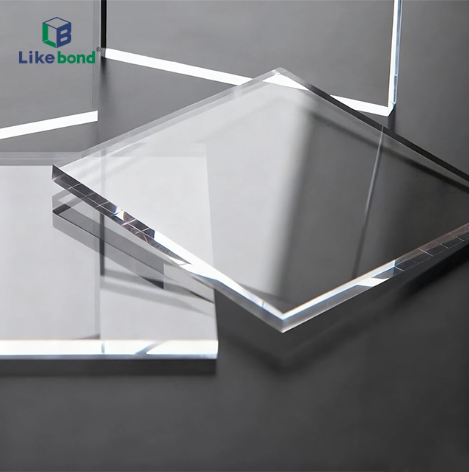
Closures should match how the display will be used. Removable components allow product changes, while permanent joints create different servicing requirements. Assess stability, joint appearance and cleaning access together. If the design needs flat viewing panels, evaluate transparent acrylic sheets separately. Their specifications should remain distinct from the tube requirements.
Repeated handling can affect display appearance even when the initial fabrication succeeds. Specify suitable separators, wrapping and storage positions. Establish approved cleaning methods before the fixture reaches the customer. Inspect samples after realistic transport and assembly cycles. Include surface condition in acceptance checks rather than evaluating dimensions alone.
A complete specification identifies outside diameter, inside diameter and relevant tolerances. Wall thickness follows their relationship but also needs consistency requirements. Confirm which surfaces locate against fittings or other components. Do not rely on nominal size for a precision assembly. Provide drawings showing the dimensions that control fit and function.
Long tubes and close-fitting assemblies may require controlled straightness and roundness. End squareness also matters when closures contact the cut face. Identify these requirements before requesting quotations. Agree on inspection methods and measurement conditions. This helps distinguish acceptable stock variation from dimensions requiring additional machining.
Confirm whether the supplied tubing is PMMA and identify its manufacturing method. Cast and extruded products should be compared using current technical documentation. Product titles sometimes combine acrylic and polycarbonate terminology. These materials require separate assessment because their properties differ. Request an unambiguous material description before approving samples or bulk supply.
Describe operating temperatures, exposure duration and any cleaning chemicals. Include sustained loads and stresses around clamps or connections. The complete service environment determines suitability. General descriptions such as durable or weather-resistant provide limited design information. Where performance matters, request supporting data and validate representative assemblies under the intended conditions.
注释: Sheet specifications should not be used as dimensional or performance guarantees for acrylic tubing.
Cutting establishes the finished length and prepares the ends for assembly. Control chipping and visible machining damage through suitable tooling and support. Inspect both ends before bonding or fitting closures. Polishing requirements should follow the intended appearance. A hidden joint face may need different preparation from an exposed decorative edge.
Follow grade-specific guidance when producing holes, slots or locating features. Workholding must support the tube without excessive deformation or clamping stress. Review hole placement and the loads transferred through fasteners. Measure critical features after machining. Trial parts should complete the assembly process before the design enters batch production.
Choose adhesives around the actual material and joint design. Check compatibility, curing requirements and the appearance of completed connections. A neat decorative bond does not establish leak-tight or pressure-rated performance. Evaluate the joint according to its intended function. Include handling and service loads when testing the assembled component.
Mounting should support the tube without forcing it into mismatched fittings. Review clamp pressure, support spacing and movement allowances together. Concentrated loads can undermine an otherwise suitable material choice. Inspect the completed assembly after installation. Where repeated removal is expected, include that operation in the validation process.
提示: Test cutting, bonding and mounting as one sequence to identify defects introduced between operations.
Compare the proposed acrylic grade against the actual operating requirement. Where its documented limits are insufficient, evaluate alternative materials or constructions. Do not apply polycarbonate performance claims to PMMA tubing. Review the complete component, including joints and supports. Material substitution may require changes to dimensions, fabrication or attachment methods.
Ordinary display tubing does not establish suitability for pressure or vacuum systems. Such applications require assessment of the tube, joints and complete assembly. Chemical exposure also needs material-specific compatibility information. Select a purpose-designed system when necessary. Appearance and wall thickness alone cannot justify service beyond the documented operating limits.
Standard clear tubing may not deliver the required diffusion or controlled light distribution. A project may need a purpose-designed grade or separate optical components. Define the desired effect before comparing materials. Test the complete prototype under normal viewing conditions. Approve brightness and uniformity rather than relying on a material description alone.
| Project type | Main requirement | Selection focus | Approval method |
|---|---|---|---|
| LED covers | Suitable visibility or diffusion | Optical finish and internal clearance | Test the complete lighting assembly |
| Decorative lighting | Consistent illuminated appearance | Diameter, finish and source placement | Inspect from intended viewing positions |
| Retail displays | Clear merchandise presentation | Viewing quality, proportions and access | Evaluate representative products |
| Exhibition features | Repeatable handling and assembly | Connections, surface protection and dimensions | Conduct transport and assembly trials |
| Instrument housings | Visibility and service access | Clearance, mounting and material compatibility | Trial installation around the equipment |
| Industrial demonstrations | Suitable operating performance | Temperature, chemicals and loading | Validate documented service conditions |
Provide drawings showing critical dimensions, closures and support locations. Describe the optical finish and intended operating conditions. Define acceptable scratches, dimensional variation and other visible defects. For projects using several decorative materials, coordinate the requirements across the assembly. The Likebond product range includes complementary sheets and mirrors; confirm tube availability separately.
Use samples that represent the proposed material and production method. Include cutting, bonding, mounting and cleaning in the evaluation. Lighting projects need the actual source and internal arrangement. Display projects need representative merchandise. Approve the finished assembly alongside the incoming tube to establish a useful benchmark for repeat production.
Specify protection for visible surfaces, cut ends and finished connections. Retain approved samples and inspection records for comparison. Ask suppliers to identify changes in grade, dimensions or processing. Repeat orders should follow the same documented acceptance criteria. This helps purchasing teams maintain consistency without relying entirely on previous delivery quality.
Tip: Compare supplier quotations using identical dimensions, finishes, service conditions and acceptance criteria.
Acrylic Tube supports lighting, displays and suitable industrial assemblies through hollow geometry and application-specific optical finishes.
Reliable results depend on matching material grade, dimensions, fabrication and mounting to project requirements.
Likebond offers complementary acrylic sheets, mirrors and customization services for advertising and decorative projects.
Custom dimensions, colors and cutting options help buyers coordinate materials across complete designs.
A: Acrylic Tube serves lighting covers, display cylinders and suitable instrument housings.
A: Frosted or opal Acrylic Tube can soften visible LED hotspots.
A: Acrylic Tube costs depend on dimensions, grade, finish and fabrication.
A: Lighting enclosures need coordinated source spacing, diameter and diffusion.
A: PMMA tubing requires documented material, joint and assembly ratings before pressure service.


