

Views: 0 Author: Site Editor Publish Time: 2025-12-25 Origin: Site


Acrylic mirrors are widely appreciated for their versatility, durability, and lightweight nature, making them an ideal choice for both residential and commercial applications. However, one common issue that many acrylic mirror users face is yellowing. Over time, the clarity and reflective properties of acrylic mirrors can degrade due to a variety of factors. This article will explore the causes of acrylic mirror yellowing, how it affects acrylic mirror sheets and acrylic plexiglass mirrors, and most importantly, how to prevent it. Understanding these factors is essential for maintaining the aesthetic and functional qualities of mirrored acrylic products, particularly in applications like acrylic mirror sheet 4×8 panels, acrylic mirrors sheets, and one way mirror acrylic products.

Yellowing in acrylic mirrors is not an issue exclusive to low-quality materials. In fact, even premium acrylic products, such as acrylic plexiglass mirrors, can develop a yellowish tint over time. Understanding the root causes of this discoloration is crucial for prevention and maintenance.
One of the leading causes of yellowing in acrylic mirror sheets is prolonged exposure to ultraviolet (UV) light. Acrylic, like many other plastics, is sensitive to UV radiation, which can cause the polymer chains to break down over time. As a result, the acrylic mirrors sheets begin to lose their clarity and develop a yellow tint. This is particularly problematic in areas where the mirrors are constantly exposed to direct sunlight, such as windows, outdoor displays, or spaces with large glass panels. Even acrylic plexiglass mirrors installed in sun-facing positions can experience UV-induced yellowing.

In addition to UV exposure, environmental factors such as humidity, air pollution, and temperature fluctuations can contribute to acrylic mirror yellowing. Over time, airborne chemicals, pollutants, and moisture can cause the surface of acrylic mirror sheets to degrade. This degradation can lead to changes in the molecular structure of the material, resulting in a visible yellowing effect. In commercial and industrial applications, where mirrors are subjected to harsher environmental conditions, mirrored acrylic products can yellow more rapidly if not properly maintained.

Another significant factor in the yellowing of acrylic mirrors is improper cleaning and maintenance. Using harsh cleaning agents, abrasive cloths, or brushes can scratch the surface of acrylic mirror sheets. These scratches allow dirt, grime, and moisture to penetrate the surface more easily, accelerating the yellowing process. Moreover, certain cleaning products that contain ammonia or alcohol can cause the acrylic to degrade, leading to discoloration over time. It’s essential to use non-abrasive cleaning materials and avoid chemicals that are too harsh for acrylic surfaces.
Chemical contamination is another cause of acrylic mirror yellowing. Certain cleaning agents, adhesives, and paints contain chemicals that can react with acrylic materials, causing them to discolor. For example, when using acrylic mirror sheet 4×8 panels in construction or interior design projects, exposure to volatile organic compounds (VOCs) from paint or adhesives can lead to the yellowing of the surface. To avoid this, it's important to ensure that acrylic plexiglass mirrors are kept away from materials that contain harmful chemicals, or at least ensure proper ventilation during installation and use.
Yellowing in acrylic mirrors not only impacts the aesthetics of the product but also its functionality. The most noticeable effect is the loss of reflectivity. As the mirror becomes yellowed, the surface becomes less clear, and the reflection becomes increasingly distorted. This is particularly problematic in environments where the mirrors are used for precision applications, such as in retail displays, interior decoration, and fitness centers.

In some cases, the yellowing can become so severe that the acrylic mirror becomes unsuitable for its intended use. For example, in applications where mirrors need to maintain a high level of clarity, such as in cosmetic displays or medical settings, yellowing can lead to the entire product needing replacement.
Fortunately, there are several steps you can take to prevent or slow down the yellowing process of acrylic mirrors. With proper care, acrylic mirror sheets can maintain their clarity and visual appeal for many years. Below are some of the most effective methods for preventing yellowing.
One of the most effective ways to prevent yellowing in acrylic mirrors is by using UV-resistant coatings. Many high-quality acrylic plexiglass mirrors are available with built-in UV protection, which helps to block harmful UV rays that cause the material to degrade. These coatings are especially beneficial for mirrors that will be exposed to sunlight or installed in areas with high UV exposure. Mirrored acrylic products used outdoors or in sunlit spaces should always have UV protection to prolong their lifespan.
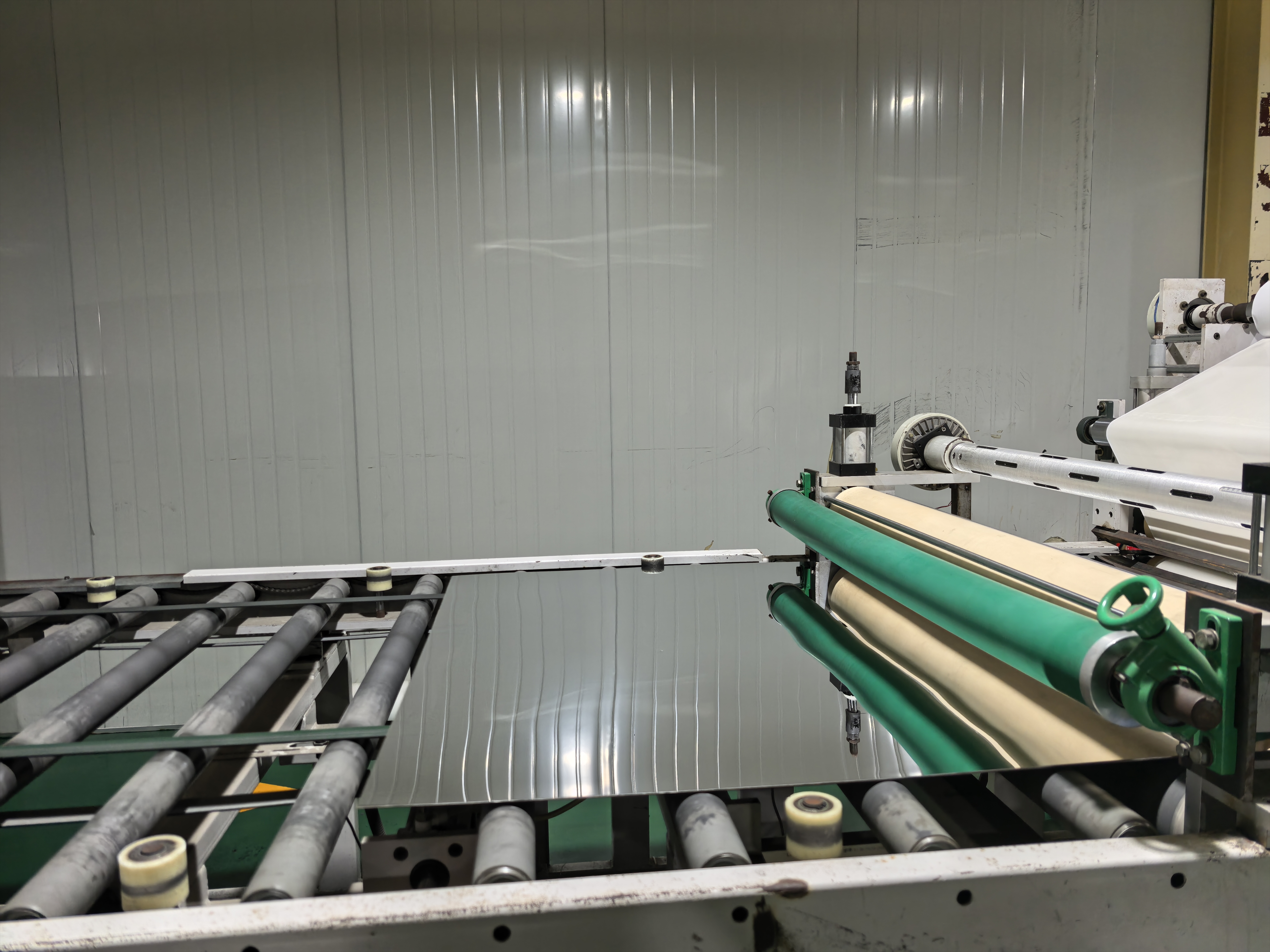
When using acrylic mirror sheets in areas with significant sunlight exposure, it's essential to place the mirrors in locations where they are less likely to be exposed to direct UV rays. For instance, placing acrylic mirror sheet 4×8 panels behind curtains or in shaded areas can help reduce their exposure to sunlight. Additionally, mirrors should be kept away from windows or any location where they could be directly impacted by harsh sunlight throughout the day.

Proper cleaning techniques can help maintain the appearance of acrylic mirrors and prevent yellowing. Always use a soft, lint-free cloth and avoid abrasive materials that can scratch the surface of the acrylic mirror sheet. For cleaning solutions, it’s best to use mild soap and water, or a cleaner specifically designed for acrylic surfaces. Avoid ammonia-based cleaners or anything that contains alcohol, as these chemicals can degrade the material and lead to discoloration.
In spaces where acrylic mirrors are exposed to higher levels of humidity or pollutants, it’s important to maintain proper ventilation. Acrylic plexiglass mirrors used in environments with high moisture levels, such as bathrooms or kitchens, should be cleaned regularly to prevent buildup of moisture that can lead to yellowing. Installing dehumidifiers or ensuring that spaces are well-ventilated can help protect acrylic mirrors from the environmental factors that contribute to discoloration.
Not all acrylic mirrors are created equal. High-quality acrylic mirror sheets typically have better resistance to yellowing and other forms of degradation. When purchasing mirrored acrylic or one way mirror acrylic, it’s essential to choose products that are designed for long-term durability. While premium acrylic mirrors may come at a higher price point, they will typically last longer and show fewer signs of aging, such as yellowing.

Yellowing in acrylic mirrors is a common problem, but it’s one that can be prevented with the right care and maintenance. By understanding the causes of yellowing—such as UV exposure, environmental factors, and poor cleaning practices—you can take the necessary steps to protect your acrylic mirror sheets from discoloration. Using UV-resistant coatings, installing mirrors in shaded areas, cleaning with safe materials, and selecting high-quality acrylic products are all effective strategies for ensuring that acrylic mirrors remain clear and functional for years to come.


