

Views: 0 Author: Site Editor Publish Time: 2025-12-18 Origin: Site


In decorative and commercial projects, surface material selection often determines not only visual impact but also long-term performance and maintenance cost. Acrylic mirror and aluminum composite panel are two materials frequently considered for modern interior and exterior design. Both are widely used, yet they serve very different purposes. Confusion arises when buyers compare them purely on appearance or price, without understanding how their physical properties affect real-world applications.
For B2B buyers sourcing materials for signage, retail environments, architectural decoration, or branded spaces, choosing between acrylic mirror sheets and aluminum composite panels requires more than aesthetic preference. It requires a clear understanding of how each material behaves once installed.
An acrylic mirror is a lightweight reflective panel made from acrylic mirror sheet combined with a reflective coating. Compared to glass, mirror acrylic sheet products offer reduced weight, easier fabrication, and improved impact resistance. These characteristics make acrylic mirror suitable for applications where visual reflection is desired without the safety risks associated with glass.
Mirrored acrylic mirrors are commonly used in interior decoration, point-of-sale displays, furniture panels, and exhibition systems. The reflective quality adds depth and brightness to spaces, especially in controlled indoor environments. Acrylic mirror sheet 4x8 formats are widely adopted for ease of cutting, transport, and integration into standard fabrication workflows.

Despite these advantages, acrylic mirror remains a decorative surface rather than a structural or protective material. Its performance depends heavily on environmental conditions and installation methods.
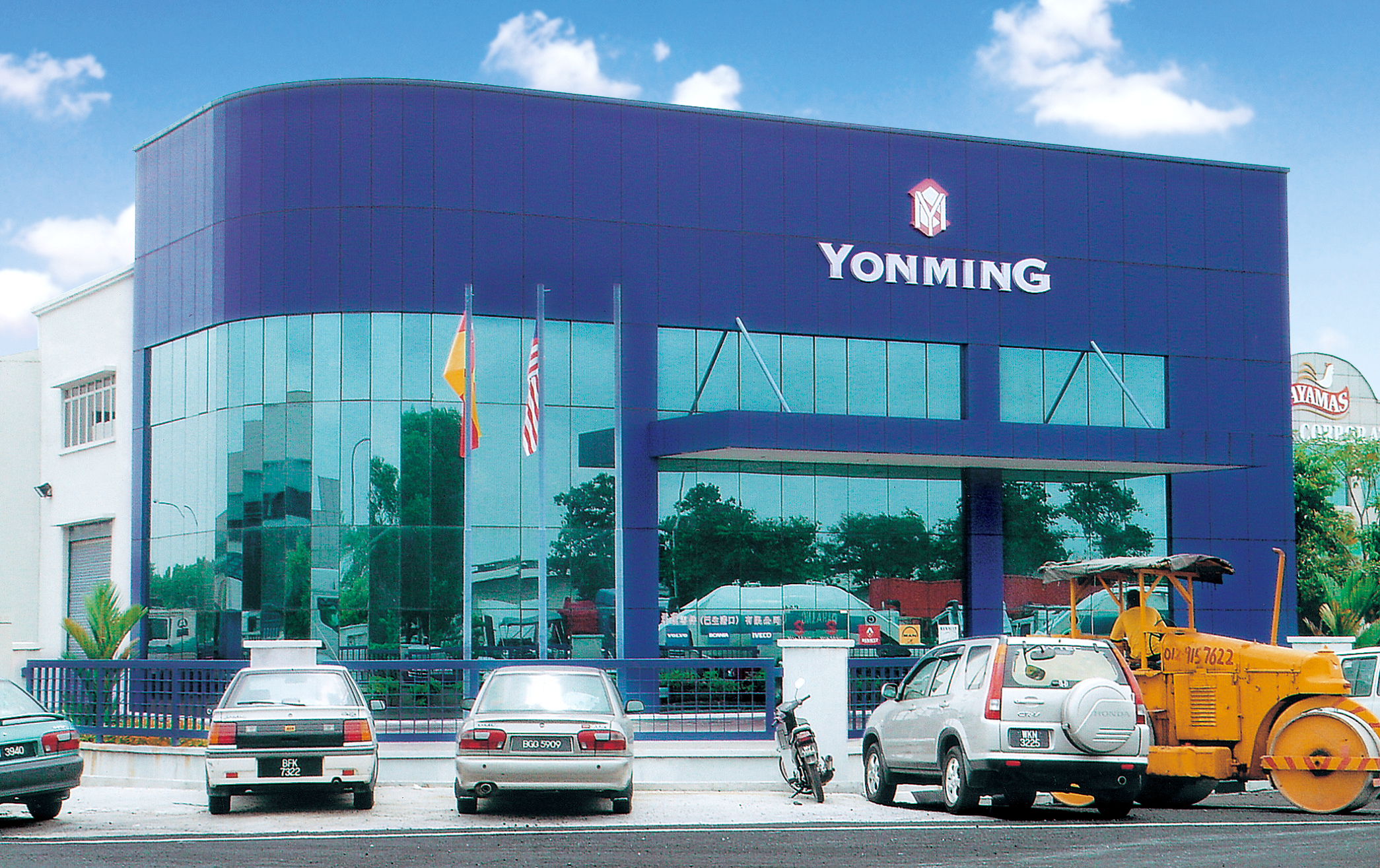
Aluminum composite panel, often referred to as ACP, is a sandwich material consisting of aluminum skins bonded to a core. Unlike acrylic mirror, aluminum composite panel is designed for rigidity, dimensional stability, and surface durability. It is commonly used in façades, wall cladding, signage backboards, and architectural elements where strength and flatness are essential.

ACP offers a wide range of surface finishes, including solid colors, brushed metal effects, and printed designs. While it does not provide mirror-like reflection, its visual consistency and structural performance make it a reliable decorative surface in both interior and exterior settings.
For projects requiring large-format panels with minimal deformation, aluminum composite panel often becomes the preferred choice.
Design intent plays a significant role in choosing between acrylic mirror and aluminum composite panel. Acrylic mirror creates reflective surfaces that visually expand space and attract attention. In retail and branding environments, this reflective quality can enhance product presentation and lighting effects.

Aluminum composite panel delivers a different visual language. Its appeal lies in clean lines, uniform surfaces, and architectural presence. ACP does not compete with acrylic mirror in reflectivity, but it excels in delivering a solid, premium appearance that remains stable over time.

Projects that rely on reflection as a design feature naturally lean toward mirrored acrylic mirrors, while projects prioritizing surface uniformity and structure often benefit from aluminum composite panel.
When panel size increases, material behavior becomes more critical. Acrylic mirror sheet 4x8 panels, while practical for many applications, can reveal internal stress or minor flatness variation when installed over large areas. These characteristics may not be visible in small samples but can appear once multiple sheets are aligned.

Aluminum composite panel is engineered to maintain flatness across large surfaces. Its layered structure minimizes warping and distortion, making it suitable for expansive wall installations or signage systems that demand precision.Understanding this difference helps buyers avoid material mismatch in large-scale projects.

Acrylic mirror sheets perform best in indoor environments where temperature and humidity remain relatively stable. Extended exposure to UV light, moisture, or heat can affect reflective coatings and sheet flatness. For this reason, acrylic mirror is rarely recommended for permanent outdoor use.
Aluminum composite panel offers stronger resistance to environmental stress. ACP panels are commonly used outdoors because they maintain appearance and structure under varying weather conditions. For projects exposed to sunlight or moisture, aluminum composite panel provides a more predictable lifespan.
This distinction is critical when selecting materials for long-term installations.
Fabrication methods differ significantly between acrylic mirror and aluminum composite panel. Acrylic mirror sheet products are easy to cut, drill, and shape using standard tools, making them suitable for customized designs and rapid prototyping. However, care must be taken during installation to avoid surface scratching or stress concentration.

ACP requires specialized cutting and folding techniques but delivers superior rigidity once installed. Aluminum composite panel systems often integrate with mounting frameworks that support large panels without deformation.
The choice between materials often depends on fabrication capability and installation environment rather than surface appearance alone.
Acrylic mirror is valued for its shatter resistance compared to glass, making it safer in public indoor spaces. At the same time, it should not be mistaken for a load-bearing or protective material. Acrylic mirror sheets are decorative and require proper backing and support.
Aluminum composite panel provides structural integrity as a surface material but is not reflective. It supports architectural elements and signage structures effectively, offering mechanical stability that acrylic mirror cannot provide.
Clear understanding of these roles prevents unrealistic performance expectations.
Initial material cost often influences sourcing decisions, but long-term value depends on application suitability. Acrylic mirror may appear cost-effective for reflective surfaces, but when used in unsuitable environments, replacement and maintenance costs increase.

Aluminum composite panel typically carries higher initial costs but offers durability and stability that reduce long-term expenses in demanding environments. Evaluating total lifecycle cost helps buyers make rational material decisions rather than price-driven compromises.

In many commercial projects, acrylic mirror and aluminum composite panel are not competitors but complementary materials. Acrylic mirror sheets can be used for decorative highlights, visual accents, or branded elements, while aluminum composite panel provides structural backing and architectural consistency.
Suppliers offering both acrylic mirror and aluminum composite panel products allow buyers to integrate materials strategically rather than forcing one material to perform multiple roles.
This integrated approach often leads to better visual outcomes and improved project performance.
Choosing between acrylic mirror and aluminum composite panel requires aligning material characteristics with project requirements. Acrylic mirror excels in reflective, indoor, decorative applications where weight and safety matter. Aluminum composite panel performs reliably in structural, large-format, or environmentally exposed installations.
Understanding these differences enables buyers to avoid common sourcing mistakes and select materials that perform as expected over time. Material decisions grounded in real usage conditions lead to more successful projects and stronger supplier relationships.
For B2B buyers, the right decorative surface is not defined by appearance alone but by how the material behaves throughout its service life.


