

Views: 0 Author: Site Editor Publish Time: 2025-11-25 Origin: Site


The growing interest in modern lightweight materials has changed how mirrors are used in residential, commercial, and industrial environments. As alternatives to traditional glass continue to appear, acrylic mirrors—also commonly known as acrylic mirror sheets or Perspex acrylic mirrors—have become widely recognized in industries ranging from interior design and architecture to advertising, retail aesthetics, and safety-focused installations. Many people still question whether acrylic mirrors are a reliable replacement for glass, and the answer depends on where and how they are used.
Acrylic mirrors are made from PMMA (polymethyl methacrylate) combined with a reflective backing, producing a mirror surface that is clear, bright, and lightweight. The flexibility and durability of the material are among the most noticeable characteristics, making it suitable for projects where impact resistance and processing flexibility matter more than the rigidity of glass.

One of the primary advantages of acrylic mirrors is their resistance to impact. PMMA is known for being up to 10–20 times stronger than traditional glass of the same thickness. When exposed to accidental force or stress, acrylic does not shatter. Instead, it bends or cracks in a controlled manner, preventing sharp fragments and reducing safety risks.
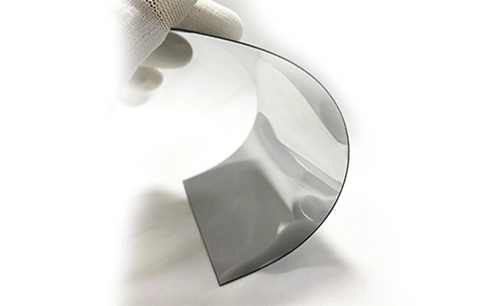
This characteristic makes acrylic mirror sheets suitable for environments such as gyms, dance studios, children’s play areas, sports facilities, and public installations where breakage risk is higher. Their durability also benefits applications where frequent handling, transport, or reinstallation is expected.

Unlike glass, acrylic has a lightweight structure, simplifying transportation and reducing the need for reinforced mounting systems. This difference matters especially for large-scale installations such as mirrored walls or ceiling designs, where weight management is critical for structural safety.
Acrylic mirrors offer a clear and bright reflection when installed correctly. The reflective performance can be comparable to glass, especially in standard viewing applications such as decorative panels, vanity setups, display showcases, and interior surfaces.

Because acrylic is more flexible than glass, installation plays a critical role in reflection accuracy. When mounted on a perfectly flat substrate—such as MDF, aluminum composite backing, or rigid wall paneling—the mirror surface remains visually stable. If mounted on an uneven or hollow surface, the mirror may develop slight warping or distortion over time.
For precision reflection, such as fitness mirrors or display walls, proper surface preparation is essential. For creative or architectural applications where curved or shaped reflections are intentional, the natural flexibility of acrylic can become a design advantage rather than a limitation.
One of the clearest reasons acrylic mirrors are favored in manufacturing and customization is their ease of processing. Acrylic can be laser-cut, CNC-machined, drilled, thermoformed, engraved, bonded, or shaped into custom structures without breakage risk. This capability allows acrylic mirror sheets to be used in applications where glass is either impractical or too costly to manipulate.
Examples of fabrication-based use include:
Custom lettering for branding or signage
Geometric wall décor and retail display fixtures
Furniture inserts, cabinetry components, and lighting features
Props, museum displays, and theatrical set designs
Precision-cut decorative panels for restaurants, hotels, and public areas
The material’s machinability also allows production of quantities ranging from unique prototypes to large-scale standardized manufacturing.

The lightweight nature of acrylic mirrors offers advantages during installation, especially for high-level mounting and large-format designs. A larger acrylic mirror panel can often be installed by a single person, whereas a glass mirror of the same size requires specialized lifting tools.
Installation options vary depending on environment, including:
Adhesive mounting for permanent displays
Mechanical fixing with pre-drilled holes for adjustable or removable systems
Integrated mounting frames where thermal expansion control is required
Because acrylic expands slightly with temperature and humidity changes, allowing minimal space for natural movement is recommended to maintain surface stability and prevent stress marks.
Acrylic mirrors provide stable performance over long-term use when maintained properly. However, the surface is softer than glass and can scratch if cleaned with abrasive materials. Microfiber cloths and mild cleaning agents are recommended to prevent surface wear.
UV-treated or coated acrylic mirror sheets may also be used outdoors. When exposed to direct sunlight or weather, high-quality backing protection prevents peeling, discoloration, or reflectivity loss. For external signage or architectural features, choosing mirror acrylic designed for outdoor environments ensures stable long-term results.
Acrylic mirrors are not intended to replace glass in every scenario, but they are highly effective in applications where safety, flexibility, and processing adaptability are prioritized over extreme rigidity. They are particularly suited for:
Interior decoration requiring lightweight materials
Public spaces prioritizing safety performance
Retail environments where seasonal or modular installations are common
Exhibition, branding, and event industry displays
Cost-sensitive projects requiring customization without complex fabrication
Industries that value creative freedom often find acrylic mirrors more practical and efficient, especially when unique dimensions, shapes, or lightweight construction are essential.
Acrylic mirrors continue to grow in popularity not simply because they are an alternative to traditional mirrors, but because they function as a different category of material with advantages tailored to modern manufacturing, flexible design, and multifunctional environments. Their lightweight structure, processing simplicity, safety advantages, and adaptability make them a valuable solution across a wide range of practical and creative applications.


