

Views: 0 Author: Site Editor Publish Time: 2026-03-17 Origin: Site


Acrylic mirror materials have become increasingly popular in modern signage, decoration, and commercial display projects. Lightweight, shatter-resistant, and visually appealing, acrylic mirror products offer a practical alternative to traditional glass mirrors. As more designers and contractors explore outdoor applications, one question keeps coming up: can mirrored acrylic mirrors maintain their appearance when exposed to sunlight, rain, and changing temperatures?
The short answer is that acrylic mirror can be used outdoors, but it is not naturally immune to fading or aging. Understanding why this happens and how to reduce the risks is essential before selecting an acrylic mirror sheet for exterior use.

Unlike glass mirrors, acrylic mirrors are made from PMMA (polymethyl methacrylate) with a reflective coating applied to the back. This structure gives them flexibility and lightness, but also makes them more sensitive to environmental factors.
Sunlight plays a major role in material degradation. Ultraviolet radiation gradually breaks down the molecular structure of acrylic over time. This process can lead to slight yellowing or a reduction in clarity, especially in lower-grade materials. At the same time, the reflective layer behind the sheet can be affected by prolonged heat exposure, which may cause reduced reflectivity or uneven appearance.
Moisture is another contributing factor. Outdoor environments often involve humidity, rain, or condensation. If the protective backing of the acrylic mirror sheet is not properly sealed, water can penetrate and affect the reflective coating. This is one of the most common reasons for visible aging, particularly in installations where edges are exposed.
Temperature fluctuations also create stress within the material. Acrylic expands and contracts more than glass when temperatures change. Over time, this movement can weaken the bond between layers, especially if the product was not designed for outdoor conditions.
Different finishes behave differently under sunlight. Standard silver acrylic mirror tends to show aging more clearly because any slight degradation affects its neutral reflective quality. On the other hand, gold mirror acrylic often appears more stable visually, as its tinted surface can mask minor changes over time.

That said, color does not eliminate the underlying issue. Whether clear, silver, or gold, all mirrored acrylic materials are still subject to UV exposure and environmental stress. The difference lies more in perception than in actual resistance.
There are many outdoor scenarios where mirrored acrylic can still perform well. Short-term installations, temporary signage, and decorative elements placed in shaded or semi-covered areas tend to maintain their appearance for longer periods.
In commercial environments, mirrored acrylic mirrors are often used in storefront displays, outdoor exhibitions, or branding features where long-term durability is less critical than visual impact. When properly selected and installed, the material can deliver excellent results without immediate fading.
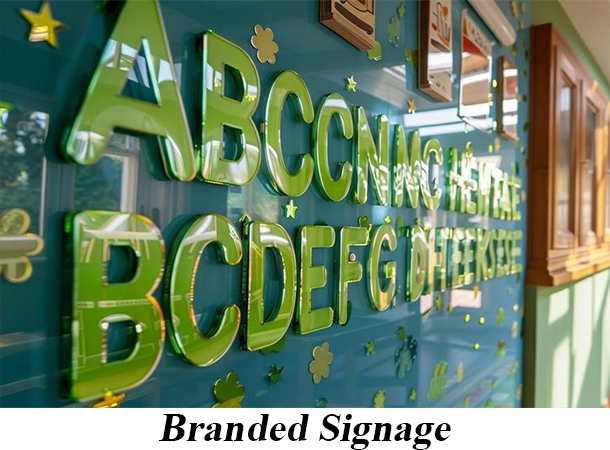
The key lies in understanding the expected lifespan and matching the material choice to the project’s requirements. Acrylic mirror is not inherently unsuitable for outdoor use, but it requires thoughtful handling.
Improving outdoor performance starts with material quality. High-grade acrylic mirror sheet products are manufactured with better UV resistance and more stable coatings. Choosing a reliable supplier ensures that the base material and reflective layer are produced under controlled conditions, which directly affects durability.
Protective backing is equally important. A well-coated rear surface acts as a barrier against moisture and environmental damage. In many cases, additional sealing during installation helps prevent water from reaching vulnerable areas, especially along cut edges.

Installation methods also influence longevity. Avoiding direct and continuous exposure to intense sunlight can significantly slow down degradation. Positioning the mirror in partially shaded locations or using design elements to reduce UV impact can extend its usable life.
Another practical approach involves proper edge treatment. Sealing or covering exposed edges reduces the risk of moisture intrusion, which is often the starting point of deterioration. This detail is sometimes overlooked but plays a critical role in maintaining the reflective layer.
Regular maintenance can make a difference as well. Cleaning the surface with non-abrasive materials helps preserve clarity without damaging the protective layer. Harsh chemicals or rough handling can accelerate wear, especially in outdoor conditions.
It is important to approach outdoor use of acrylic mirror with realistic expectations. Unlike glass, which remains relatively stable under UV exposure, acrylic-based mirrors will gradually change over time when placed outside. This does not mean immediate failure, but rather a gradual shift in appearance depending on conditions.
In many projects, this trade-off is acceptable. The lightweight nature of mirrored acrylic mirrors, combined with their ease of fabrication and installation, often outweighs the limitations. For applications where safety, flexibility, and cost efficiency matter, acrylic mirror remains a practical choice.
For long-term outdoor installations where color stability and reflectivity must remain unchanged for many years, alternative materials or additional protective solutions may be worth considering. Each project has its own priorities, and material selection should reflect those needs.
Acrylic mirror can be used outdoors, but it performs best when its limitations are understood and managed. Environmental exposure, particularly UV radiation and moisture, will influence how the material ages. The rate of fading depends on product quality, installation methods, and surrounding conditions.
With careful selection of acrylic mirror sheet, attention to protective details, and thoughtful placement, it is possible to achieve satisfying results even in exterior settings. Materials like gold mirror acrylic can offer aesthetic advantages in certain designs, while proper handling helps maintain overall performance.
Outdoor use is not about eliminating change entirely, but about controlling it. When expectations align with the material’s characteristics, acrylic mirror continues to be a versatile and valuable option in modern design and advertising applications.


