

Views: 0 Author: Site Editor Publish Time: 2025-11-25 Origin: Site


Acrylic glass, often referred to as acrylic mirror or acrylic sheet, has become a popular alternative to traditional glass in a variety of applications due to its durability, versatility, and aesthetic appeal. However, one common concern about acrylic is its potential to turn yellow over time. In this article, we will explore whether acrylic glass turns yellow, the reasons behind this discoloration, and how you can prevent or fix it.
Acrylic glass is a transparent thermoplastic material made from polymethyl methacrylate (PMMA). It is often used as a lightweight, shatter-resistant alternative to glass in various products, including windows, displays, mirrors, and signage. Acrylic glass is highly valued for its optical clarity, which allows it to mimic the appearance of glass while being lighter and more durable. It is commonly found in applications such as acrylic mirrors, acrylic gym mirrors, and gold mirror acrylic products, among others.
Despite its many benefits, one of the drawbacks of acrylic glass is that it can become yellowed or discolored over time, especially when exposed to certain environmental factors. This can affect the appearance and longevity of acrylic products, making it a concern for consumers and businesses alike.
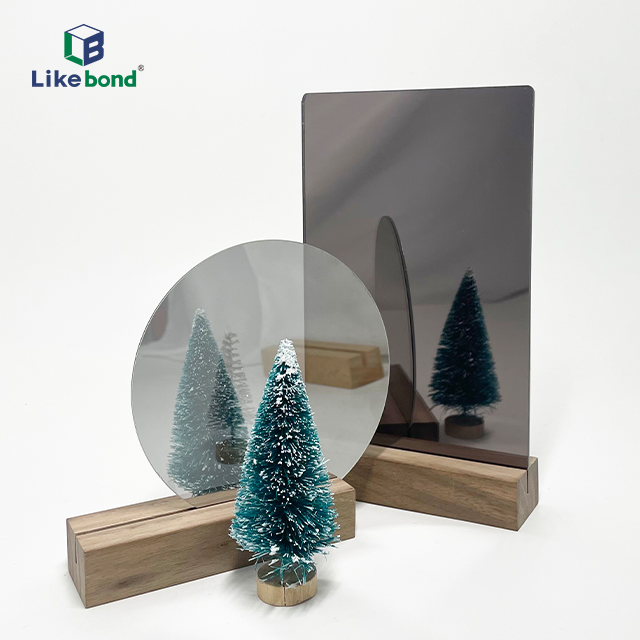
Acrylic glass can turn yellow for several reasons, primarily due to exposure to ultraviolet (UV) light, environmental pollutants, and improper care. Here are some of the main factors that contribute to the yellowing of acrylic glass:
One of the most common causes of acrylic glass turning yellow is prolonged exposure to UV light from the sun. UV rays can break down the chemical bonds in acrylic, leading to discoloration. This process is known as photo-oxidation, and it can cause the acrylic to lose its clarity and develop a yellow or cloudy appearance.
In the case of acrylic gym mirrors or acrylic mirrors used in various applications, the effects of UV exposure can be particularly noticeable. Over time, UV light can degrade the surface of the acrylic, causing it to yellow and lose its reflective properties. This is a concern for mirrors used in high-traffic areas, such as gyms or fitness centers, where clarity and durability are essential.
Acrylic glass can also yellow due to exposure to environmental pollutants, such as cigarette smoke, dust, and other airborne contaminants. These pollutants can adhere to the surface of the acrylic and react with it over time, causing discoloration. In industrial or urban environments, acrylic glass may be exposed to higher levels of pollution, which can accelerate the yellowing process.
Certain chemicals, such as cleaning agents, solvents, or household cleaners, can also cause acrylic glass to yellow. Harsh chemicals or abrasive cleaners can damage the surface of the acrylic, leading to discoloration. It is important to use non-abrasive cleaners specifically designed for acrylic surfaces to prevent this type of damage.
High temperatures and humidity levels can also contribute to the yellowing of acrylic glass. Acrylic is a thermoplastic material, which means it softens when exposed to heat. Over time, heat exposure can cause the material to degrade, leading to discoloration. Humidity can also cause moisture to build up on the surface, which can react with the acrylic and result in yellowing.
As with many materials, acrylic glass can yellow simply due to the natural aging process. Over time, the molecular structure of acrylic can change, which can cause it to lose its optical clarity. This process is gradual and can be more pronounced in acrylic products that are used frequently or exposed to the elements.
Yes, acrylic mirrors can turn yellow over time, especially if they are exposed to UV light, environmental pollutants, or harsh chemicals. The yellowing process is gradual, and while it may not be immediately noticeable, it can significantly impact the appearance of the mirror over time. This is particularly problematic for mirrors used in high-visibility applications, such as acrylic gym mirrors or decorative mirrors in homes and businesses.
The good news is that there are ways to prevent or slow down the yellowing process of acrylic mirrors. By taking proper care of acrylic mirrors and protecting them from harmful environmental factors, you can extend their lifespan and maintain their clarity.
Preventing acrylic glass from turning yellow requires proactive care and protection. Here are some tips to help you maintain the appearance of your acrylic products:
One of the best ways to prevent acrylic from yellowing is to limit its exposure to UV light. If your acrylic products are used outdoors or in areas with direct sunlight, consider using UV-resistant acrylic or applying a UV-resistant coating to the surface. UV-resistant acrylic is specially designed to withstand the harmful effects of sunlight and prevent discoloration.
If UV exposure is unavoidable, consider using window film or shades to block UV rays. This is especially important for acrylic gym mirrors and other products that require clarity and durability.
Regular cleaning and maintenance are essential for preventing acrylic from turning yellow. Use a mild soap solution and a soft cloth to clean acrylic surfaces. Avoid using abrasive cleaners or solvents that can damage the surface of the acrylic and cause it to yellow. If you need to remove stubborn stains, use a cleaner specifically designed for acrylic.
For gold mirror acrylic or decorative acrylic products, avoid using harsh chemicals or cleaners that could strip the surface of its protective coating and cause discoloration. Always follow the manufacturer's cleaning instructions to ensure the longevity of the product.
As mentioned earlier, certain chemicals can react with acrylic and cause it to yellow. To prevent this, avoid exposing acrylic glass to harsh chemicals, such as solvents, cleaners, or adhesives. If you need to use any chemicals near acrylic products, test them on a small, inconspicuous area first to ensure they won't cause damage.
Acrylic glass, especially in acrylic gym mirrors or other products used in industrial or urban environments, can be exposed to various pollutants. To reduce the risk of yellowing, clean the surface regularly to remove dust, smoke, and other contaminants. Consider using air purifiers or dehumidifiers in areas where acrylic products are used to reduce exposure to pollutants.
Excessive heat and humidity can accelerate the yellowing process of acrylic. Keep acrylic products away from direct heat sources, such as radiators, ovens, or stovetops. In humid environments, consider using a dehumidifier to reduce moisture buildup, which can cause acrylic to degrade over time.
If your acrylic glass or acrylic mirror has already turned yellow, there are several methods you can use to restore its clarity:
Polishing acrylic glass can help remove surface discoloration and restore its optical clarity. Use a fine-grit acrylic polish and a soft cloth to gently buff the surface of the acrylic. This method is effective for light yellowing and can improve the appearance of the acrylic without damaging it.
There are specialized plastic restorers available that can help remove yellowing from acrylic surfaces. These products are designed to restore the clarity of acrylic and other plastics by removing stains and discoloration. Follow the manufacturer's instructions carefully when using these products to ensure the best results.
In cases of severe yellowing, you may need to sand the surface of the acrylic to remove the discolored layer. Use a fine-grit sandpaper to carefully sand the acrylic, then apply a protective coating to restore its clarity. This method is more labor-intensive and should be done with caution to avoid damaging the acrylic.
Yes, acrylic glass can turn yellow over time due to exposure to UV light, environmental pollutants, chemicals, heat, and humidity.
To prevent acrylic mirrors from turning yellow, limit their exposure to UV light, clean them regularly with mild soap, and avoid using harsh chemicals or abrasive cleaners.
Yes, yellowed acrylic can often be restored through polishing, using a plastic restorer, or sanding and re-coating the surface.
The time it takes for acrylic to yellow depends on environmental factors such as UV exposure, pollutants, and temperature. In general, the yellowing process is gradual and may take several years to become noticeable.
Yes, UV-resistant acrylic is available and is specifically designed to withstand the harmful effects of UV rays, reducing the risk of yellowing.
Acrylic glass, including acrylic mirrors and acrylic gym mirrors, is a durable and versatile material, but it can turn yellow over time due to exposure to UV light, pollutants, and other environmental factors. By taking proper care and using protective measures, such as UV-resistant coatings and regular cleaning, you can prevent or slow down the yellowing process and extend the lifespan of your acrylic products. If yellowing does occur, various restoration methods, such as polishing and using plastic restorers, can help bring back the clarity of your acrylic glass.


