

Views: 0 Author: Site Editor Publish Time: 2026-01-20 Origin: Site


People who search for whether clear acrylic breaks easily are usually deciding between materials for signs, displays, protective panels, or interior projects. On commercial websites like Likebond, visitors often compare acrylic sheets with glass and want to know how much impact or stress a clear panel can actually handle in daily use. The short answer is that clear acrylic sheets are far more impact-resistant than glass of the same thickness, but they are not unbreakable. How easily an acrylic sheet breaks depends on thickness, installation method, edge quality, temperature, and how the load or impact is applied.
In manufacturing and wholesale supply for the U.S. market, clear acrylic plexiglass sheet products are widely used in advertising displays, retail fixtures, machine guards, and wall panels because they balance strength, clarity, and cost. Understanding what “break easily” really means in practical terms helps buyers choose the right acrylic sheet for their application rather than over- or under-specifying material.

Clear acrylic sheets are made from PMMA (polymethyl methacrylate), a thermoplastic known for its toughness and flexibility compared with brittle materials. When force is applied, acrylic tends to flex slightly and distribute stress instead of cracking immediately. In lab testing and in everyday use, standard acrylic sheets are commonly rated at about 10 to 17 times the impact resistance of glass of similar thickness. This is why storefront sneeze guards, menu covers, and protective shields often use acrylic sheet instead of glass, especially in environments where accidental knocks are likely.

In real installations, an acrylic sheet mounted in a frame or fixed to a wall can handle vibration, door slams, and routine contact without shattering. Even if it does fail under heavy impact, it usually cracks rather than exploding into sharp fragments, which is a major safety advantage in public spaces. For wholesalers and project buyers, this property alone explains why clear acrylic sheets are specified in many commercial interiors where safety codes discourage ordinary glass.
Although acrylic is tougher than glass, it can still break if the conditions are unfavorable. One common cause is point impact, such as a sharp tool or metal edge striking a small area. A concentrated force can exceed the local strength of the sheet and start a crack. Once a crack begins, it can travel across the panel, especially if the edges were not properly polished or if there are micro-scratches from cutting.
Temperature also plays a role. Acrylic sheets become slightly more brittle in very cold environments. In outdoor signage installed in winter climates, impact resistance is lower than in room-temperature interiors. This does not mean acrylic becomes fragile like thin glass, but it does mean installers should allow for expansion gaps and avoid over-tightening fasteners, which can introduce stress that later leads to cracking.
Another factor is improper installation. If an acrylic sheet is screwed directly into a rigid frame without allowing movement, thermal expansion can build stress over time. In those cases, even moderate vibration or seasonal temperature change may cause cracks around mounting holes. From a supplier perspective, many “breakage” complaints trace back not to material quality but to how the sheet was fixed on site.
Not all acrylic sheets behave the same way, and thickness has a direct effect on strength. Thin sheets are excellent for picture frames, small displays, and lightweight covers, but they are easier to flex and easier to damage with impact. Thicker panels can absorb more energy and are much harder to break in normal handling.
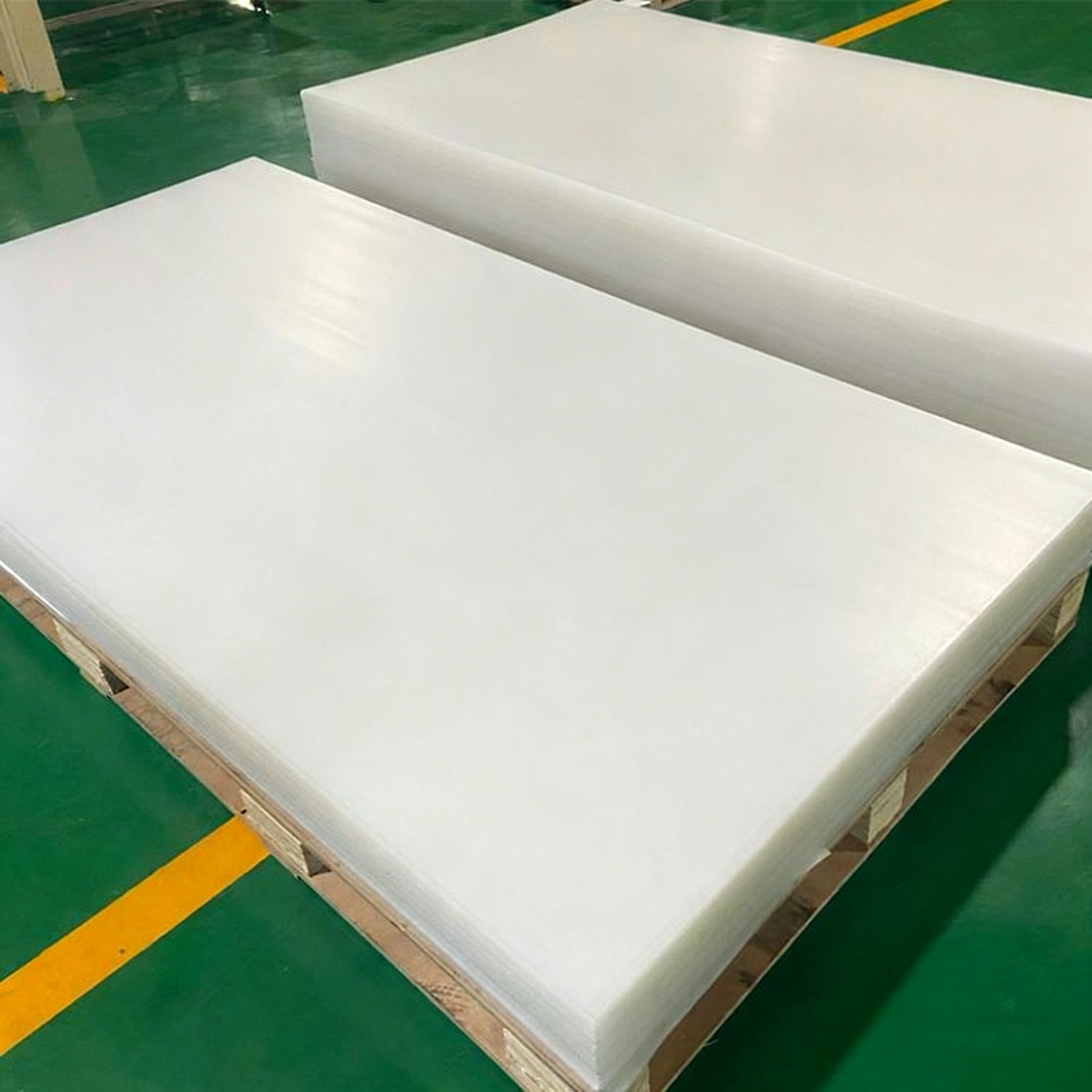
In commercial supply, acrylic sheet 8x4 panels are popular because they fit standard fabrication equipment and shipping pallets. These large sheets are available in multiple thicknesses, and the right choice depends on span and load. For example, a thin sheet used as a wide wall panel without backing may bow or vibrate, increasing the chance of cracking over time. A thicker acrylic sheet installed on the same wall remains rigid and distributes stress more evenly.
From real project feedback, retail display builders often step up thickness when panels exceed a certain width or when customers may lean or touch the surface. That small increase in material cost significantly reduces the chance of breakage during both installation and long-term use.
In stores, malls, and exhibition halls, materials are exposed to carts, equipment, and constant human contact. Clear acrylic sheets are commonly used for protective covers on counters, product enclosures, and brochure holders. These items experience bumps and drops, yet they rarely break under normal handling.
A practical example comes from pop-up retail booths that are assembled and disassembled repeatedly. Panels made from clear acrylic plexiglass sheet are often transported in stacks, moved by hand, and installed quickly. Minor scratches may appear, but structural breakage is uncommon unless the sheets are dropped on hard corners or struck by heavy tools. This kind of repeated handling would be risky with glass, which is why acrylic is preferred in mobile or temporary structures.

In factory settings, acrylic sheet guards are installed around machinery to allow visibility while protecting workers. These panels are designed to withstand vibration and incidental contact. They may show surface wear over time, but cracking is rare when thickness and mounting are properly chosen.
Another reason people think acrylic breaks easily is because of problems during cutting or drilling. Acrylic sheets must be fabricated with the right tools and feed rates. If a saw blade overheats the plastic or if a drill bit grabs the material, stress can build up around the cut, leading to cracks that appear later.
Professional workshops usually flame-polish or machine-polish edges after cutting, which reduces micro-cracks and improves long-term durability. In contrast, rough hand cutting without edge finishing increases the chance that a small crack will grow during installation. This is not a weakness of the acrylic sheet itself but a result of fabrication quality.

For buyers who order cut-to-size panels from a supplier, this is why production method matters. Mechanized cutting and controlled finishing, which are common in large-scale acrylic sheet manufacturing, significantly reduce the risk of breakage compared with manual trimming.
Some buyers compare acrylic sheets with polycarbonate, which is known for extremely high impact resistance. Polycarbonate is harder to break than acrylic, but it is also more expensive and scratches more easily unless coated. For many advertising and interior projects, acrylic sheet offers a better balance of clarity, surface quality, and cost.
Clear acrylic sheets also maintain optical clarity over time, making them suitable for display cases and signage where appearance is critical. Even when thick, acrylic remains lighter than glass, reducing load on structures and making installation safer. These properties explain why acrylic sheet continues to dominate in visual and decorative applications even when maximum impact resistance is not required.
In everyday environments such as offices, shops, and homes, clear acrylic does not break easily under normal handling. People clean it, move it, and occasionally bump into it without causing damage. Breakage usually happens under abnormal conditions: dropping a sheet from height, striking it with sharp metal objects, or installing it under mechanical stress.
From customer feedback in wholesale supply chains, the most common issues reported are surface scratches rather than fractures. Scratches affect appearance but not structural integrity. With proper cleaning and protective films during transport, even this issue can be minimized.
For wall-mounted decorative panels, signage boards, or protective covers, acrylic sheet durability is more than sufficient for years of use. Choosing the correct thickness and allowing for thermal movement are the two most important design steps to prevent cracking.
The question of whether clear acrylic breaks easily is less about the material itself and more about how it is specified and used. When buyers select acrylic sheets only by price and ignore thickness, mounting method, and environment, the risk of damage increases. When those factors are considered, acrylic performs reliably in a wide range of commercial and industrial settings.
Large suppliers that serve the U.S. wholesale market usually stock acrylic sheet 8x4 panels in multiple thicknesses to match different applications, from lightweight displays to rigid wall panels. Clear acrylic plexiglass sheet products designed for advertising and architectural use are produced under controlled conditions to ensure consistent strength and surface quality. This consistency matters when panels are used in batches for chain stores or large projects where uniform performance is expected.
For customers comparing materials on Likebond, the key takeaway is that clear acrylic sheets are not fragile products. They are engineered plastics designed for demanding environments where clarity and safety matter. While they cannot replace bullet-resistant materials or heavy industrial guards, they offer excellent durability for signage, displays, and interior panels when properly selected and installed.
So, does clear acrylic break easily? In realistic terms, no, it does not break easily in normal commercial and residential use, especially when compared with glass. It can crack or break if subjected to sharp impact, extreme cold, or poor installation practices, but these situations are avoidable with correct material choice and professional fabrication.
For businesses sourcing acrylic sheets in bulk for advertising, retail, or interior decoration, understanding these practical limits helps avoid unnecessary costs and material failures. Clear acrylic sheets remain one of the most dependable transparent panel materials available today, offering a combination of strength, light weight, and visual quality that suits both functional and decorative applications across many industries.


