

Views: 0 Author: Site Editor Publish Time: 2026-08-12 Origin: Site


Creating high-impact wall decoration demands materials delivering premium optical clarity. You often face a distinct design dilemma when planning interior spaces. Traditional materials offer transparency but introduce severe structural liabilities. These liabilities primarily stem from heavy weight and inherent fragility. As architects and designers evaluate alternatives, they increasingly turn to modern engineered plastics. The art acrylic sheet emerges as a structurally sound, highly customizable replacement. It fits perfectly into commercial lobbies, hospitality venues, and high-end residential spaces.
This guide provides an evidence-based breakdown of how acrylic materials alter spatial perception. We will explore their structural advantages over legacy materials. You will learn the crucial implementation realities you must consider before specifying them for your next project. By understanding these dynamics, you can confidently integrate stunning visual effects. You achieve this without compromising building safety or design integrity.
Optical Superiority: Art acrylic sheets offer up to 92% light transmission, exceeding standard glass and providing superior depth to printed artwork and colors.
Structural Efficiency: Weighing 50% less than glass with 10 to 20 times the impact resistance, an acrylic wall panel safely enables large-format, seamless installations.
Design Versatility: Thermoforming, edge-polishing, and back-painting capabilities allow for custom architectural integration that rigid materials cannot support.
Implementation Caution: Proper installation requires accounting for thermal expansion and specifying the correct mounting hardware to prevent warping or structural failure.
Optical clarity forms the foundation of any premium wall installation. Standard silica glass inherently contains iron oxide. This mineral composition creates a noticeable green tint along the edges and across the surface. This tint alters color perception, especially over large surface areas. In contrast, a premium Art Acrylic Sheet delivers an unmatched 92% light transmittance. This high transmission rate eliminates color distortion. It ensures printed artwork, digital graphics, and painted backings display true color fidelity.
Designers leverage this clarity to create a profound sense of depth. Face-mounting artwork directly behind the acrylic surface refracts light dynamically. As light enters the thick transparent layer, it bounces off the underlying image before returning to the viewer's eye. This optical phenomenon makes colors appear heavily saturated and vibrant. Utilizing a back-painted Acrylic Wall Panel creates a similar 3D effect. The glossy surface acts as a mirror, while the pigmented back layer grounds the visual weight. This combination thrives under precise gallery or commercial track lighting.
However, highly reflective surfaces introduce glare issues in specific environments. Direct natural light from large atrium windows often obscures high-gloss panels. Harsh directional spotlights in retail spaces create blinding hotspots. Manufacturers solve this by offering matte and anti-glare finishes. These specialized surfaces scatter incident light rather than reflecting it directly. You retain the vibrant color saturation while ensuring the installation remains legible from any viewing angle.
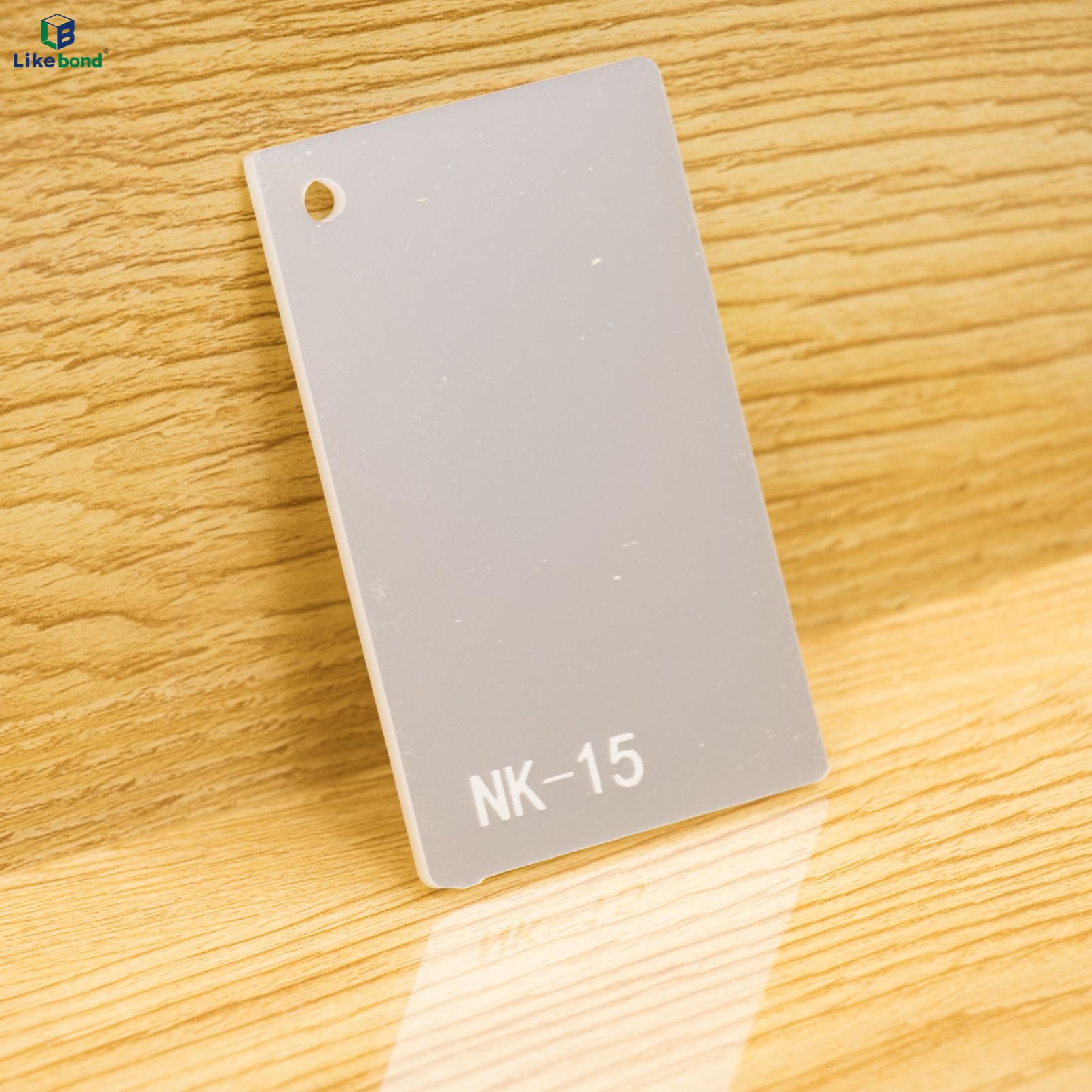
Structural load limits dictate the scale of interior wall decorations. Standard glass poses massive logistical challenges for large installations. It requires heavy-duty reinforced substrates, specialized lifting equipment, and robust framing systems. Acrylic fundamentally changes this weight-to-scale ratio. Weighing approximately 50% less than its glass counterpart, acrylic allows for massive, continuous wall panels. You can suspend large architectural features without over-engineering the underlying wall studs.
Safety compliance remains a critical factor for high-traffic commercial zones. Hospitals, schools, and hospitality venues enforce strict building codes regarding shatter hazards. Acrylic boasts 10 to 20 times the impact resistance of standard glass. When subjected to extreme blunt force, an acrylic panel will fracture into large, dull pieces rather than shattering into dangerous shards. This shatter-resistant property ensures occupant safety and limits liability in public spaces.
Despite these advantages, you must address the transparent drawbacks. Acrylic consists of engineered polymers, making it inherently softer than glass. It scratches easily in highly tactile environments. Frequent wiping using abrasive cloths will eventually dull the glossy finish. To combat this vulnerability, you must specify hard-coated acrylic. Manufacturers apply an abrasion-resistant transparent layer to the surface during production. This hard coat protects the panel from micro-scratches, ensuring it survives daily interactions in busy hallways and elevator lobbies.
| Performance Metric | Premium Art Acrylic | Standard Silica Glass |
|---|---|---|
| Light Transmittance | Up to 92% (Optically clear) | Typically 80-89% (Green tint) |
| Weight Density | ~1.19 g/cm³ (Lightweight) | ~2.5 g/cm³ (Heavy) |
| Impact Resistance | 10x to 20x higher | Low (Prone to shattering) |
| Scratch Resistance | Moderate (Requires hard-coating) | High |
| Fabrication Flexibility | Excellent (Thermoforming possible) | Poor (Rigid and brittle) |
Creating monolithic visual impacts requires seamless large-format displays. Heavy mullions and disruptive grout lines fragment the viewer's attention. Continuous acrylic wall panels solve this problem seamlessly. Installers can align large sheets edge-to-edge, utilizing specialized seaming adhesives. This technique creates a virtually invisible joint. Lobbies and executive boardrooms benefit immensely from these uninterrupted visual expanses. The wall becomes a single, unified architectural element.
Modern commercial design demands precision fabrication. Rigid materials limit geometric possibilities. Acrylic responds beautifully to advanced manufacturing techniques. You can transform flat sheets into bespoke architectural art.
CNC Routing: Computer-controlled routers cut intricate patterns, corporate logos, and complex geometric shapes directly into the sheet. The edges remain smooth and dimensionally accurate.
Laser Cutting: High-powered lasers slice through thinner acrylic sheets, leaving a highly polished, flame-finished edge instantly. This method works perfectly for detailed inlay work.
Edge-Polishing: Diamond edge polishers strip away tool marks, leaving the sides of the panel as clear as the front face. This detail elevates floating panel installations.
Perhaps the most profound advantage is thermoforming capability. Glass requires immense heat and costly molds to bend. Acrylic softens at lower temperatures. Fabricators heat the art acrylic sheet until it becomes pliable. They drape it over custom bucks or vacuum-form it onto complex molds. Once cooled, it retains the new shape permanently. This allows you to wrap undulating wall structures, encase cylindrical structural pillars, and build sweeping curved reception desks.
Designing an exceptional space means nothing if the installation fails. Plastics expand and contract dynamically based on ambient temperature fluctuations. You must manage thermal expansion proactively. If you bolt an acrylic panel tightly to a wall, rising temperatures will cause the material to expand against the fixed screws. This stress inevitably causes radial fractures at the mounting points. To prevent this, calculate expansion gaps around the perimeter. Drill oversized holes for all mounting hardware. This allows the panel to float slightly behind the screw head, safely absorbing dimensional changes.
Mounting hardware selection dictates both the aesthetic and structural integrity of the project. You have three primary methods:
Standoffs: These cylindrical metal spacers push the panel away from the wall. They create a modern, floating effect. Standoff caps unscrew easily, allowing facilities teams to swap out artwork or update graphics without tearing down the wall.
Z-Clips (French Cleats): When you need a flush, heavy-duty hidden mount, Z-clips excel. Interlocking aluminum rails secure the panel tightly to the wall structure. They distribute the weight evenly across the entire mounting line.
Adhesives: Direct wall adhesion requires extreme caution. Never use solvent-based adhesives. Solvents attack the polymer chains, causing structural crazing (a network of micro-cracks). Always specify neutral-cure, 100% silicone adhesives for structural bonding.
Best Practice: Always acclimate acrylic sheets to the room's ambient temperature for 48 hours prior to final installation. This normalizes the material size before you drill or glue.
Common Mistake: Cleaners often ruin acrylic installations on the first day. Never use ammonia-based glass cleaners or abrasive scouring pads. Ammonia causes severe clouding and yellowing. Establish strict maintenance protocols immediately. Mandate the use of clean microfiber cloths and specialized anti-static plastic cleaners to maintain optical integrity.
Sourcing the right material dictates the project's success. Not all acrylic performs equally. Decision-makers must understand the difference between cell-cast and extruded acrylic. Extruded acrylic is pushed through rollers during manufacturing, introducing internal tension. When you apply a CNC router to extruded material, the friction heat often melts the plastic, ruining the cut. Cell-cast acrylic cures slowly inside glass molds. It lacks internal tension. This curing process yields a superior surface finish, immense structural integrity, and flawless routing capabilities. Always specify cell-cast acrylic for high-end aesthetic applications.
Ultraviolet radiation degrades engineered plastics over time. Sunlight breaks down the polymer bonds, causing the panel to turn brittle and yellow. When evaluating manufacturers, scrutinize their UV resistance data. Request transparent warranty documents covering yellowing, UV degradation, and color fastness. A reputable supplier should confidently provide a 5-to-10-year warranty against optical degradation for indoor applications receiving indirect sunlight.
Never rely solely on digital renders or specification sheets. Prototyping and sampling protect your design intent. Request edge-polished samples directly from the shortlisted manufacturers. You need to physically hold the material to verify optical clarity. Place the sample panel in the actual project site. Observe how it interacts with the specific color temperature of the room's lighting. Check for glare issues. Verifying color-matching under site-specific conditions prevents costly design failures during the final rollout.
An art acrylic sheet serves as far more than a simple glass substitute. It is a highly engineered material designed to solve complex weight, safety, and visual depth challenges in modern wall decoration. By leveraging its incredible light transmission and thermoforming capabilities, you can execute ambitious architectural visions safely and effectively.
As you move forward, audit your current design specifications to identify heavy, fragile materials. Calculate the structural load differences you could achieve by switching to an acrylic wall panel. Finally, reach out to a trusted cell-cast manufacturer and request a physical sample. Testing the light transmission and optical depth in your actual space will confirm why this material remains a top choice for commercial interior design.
A: Yes. Acrylic is inherently waterproof and resists mold growth. However, moisture can seep behind the panel if improperly installed. You must seal all edges using neutral-cure silicone caulk. Always apply appropriate moisture-resistant backing materials, like cement board, behind the panel to ensure long-term stability.
A: Warping usually occurs due to inadequate thickness or restrictive mounting. Select a material thickness appropriate for the overall sheet size; larger spans require thicker sheets (e.g., 1/4" or thicker). Space mounting hardware closely enough to provide rigid support. Always drill oversized holes to allow natural thermal expansion.
A: Absolutely. Acrylic pairs exceptionally well with LED light-guiding panels. You can create illuminated feature walls easily. Ensure you specify translucent acrylic grades rather than fully opaque ones. Translucent sheets diffuse the LED light evenly, eliminating harsh hotspots and creating a smooth, glowing surface.
A: The base material costs are often comparable. However, acrylic provides massive logistical savings. Because it weighs half as much as glass and resists shattering, you save significantly on specialized shipping crates, heavy-duty structural wall reinforcements, and installation labor hours.


