

Views: 0 Author: Site Editor Publish Time: 2026-08-11 Origin: Site


High-traffic retail spaces and fast-paced exhibitions require materials balancing premium aesthetics and rigorous structural demands. Visual merchandisers and exhibit builders face a constant struggle when selecting display substrates. Standard glass poses significant logistical problems. It often proves too heavy, fragile, or expensive to transport safely across multiple venues. Conversely, cheap plastics quickly degrade brand perception by looking cloudy or scratching easily.
An Art Acrylic Sheet bridges this crucial gap between optical clarity and fabrication versatility. This engineered polymer offers the transparent elegance of glass without the structural drawbacks. This guide breaks down how you should evaluate, specify, and deploy acrylics for commercial displays. We base these strategies on durability requirements, design intent, and compliance realities. You will learn how to optimize your next merchandising rollout effectively.
Weight & Safety ROI: Art acrylic sheets offer 92% light transmission at half the weight of glass, significantly reducing shipping costs and breakage risks for temporary or touring exhibits.
Fabrication Versatility: From seamless bonding to thermoforming, acrylic allows for curved, illuminated, and bespoke geometries that standard materials cannot achieve.
Material Selection Matters: Choosing between cast (better for machining/polishing) and extruded (tighter thickness tolerances) dictates the success of a display project.
Compliance & Maintenance: Real-world adoption requires factoring in tradeshow fire-code ratings and specific non-abrasive cleaning protocols to prevent micro-scratching.
Visual merchandising relies heavily on visual perfection alongside logistical survival. We must define clear success criteria before specifying any material. Displays endure aggressive handling during rushed tradeshow installations. Once installed, they must maintain flawless optical clarity under high-intensity retail lighting. We measure this success by analyzing the cost-to-lifespan ratio. Frequent breakages kill project budgets quickly. When a unit fails on the shop floor, it disrupts the entire consumer experience.
We must also look at risk mitigation when comparing glass against acrylic substrates. Glass presents significant logistical liabilities. The shatter risk remains exceptionally high in busy commercial environments. Glass transport requires specialized packing, heavy-duty wooden crates, and expensive transport insurance policies. Acrylic offers a distinct impact-resistant advantage. It withstands minor bumps and transit shocks far better. If dropped, it rarely shatters into dangerous shards. This mitigates venue liability considerably.
Global retail rollouts demand absolute brand consistency at scale. Exact Pantone replication matters deeply to luxury brands. Visual merchandisers leverage color-matched and frosted acrylics to ensure exact brand hues across hundreds of retail stores. Unlike surface-painted materials, pigmented acrylic holds color evenly throughout the material core. A Retail Display Acrylic guarantees a unified brand experience worldwide. Whether a customer shops in New York or Tokyo, the display aesthetic remains identical.
Luxury brands frequently turn to high-end point of purchase (POP) displays to capture consumer attention. Designers utilize premium acrylics for tiered shelving, cosmetic glorifiers, and interlocking product risers. Edge-polishing is crucial here. Machinists use flame-polishing techniques to create high-gloss edges. These pristine edges catch retail spotlights beautifully, signaling high-end quality directly to shoppers.
Illuminated signage and wayfinding applications represent another major architectural use case. Light-diffusing acrylics revolutionize illuminated design entirely. They eliminate harsh hot spots in LED-backlit displays and channel letters. The material scatters LED light evenly across the entire panel surface. This creates a soft, continuous glow. Wayfinding signs become highly legible and visually soothing rather than blinding.
Museum-grade vitrines and enclosures require highly specialized material properties. Museums and high-value jewelry retailers use UV-filtering acrylic to protect sensitive artifacts. Prolonged exposure to store lighting damages fine textiles, paintings, and leather goods over time. Specialized acrylic blocks harmful UV rays without causing any color distortion. Shoppers see the exact product colors while the merchandise remains perfectly safe.
Fast assembly defines tradeshow success. Builders incorporate lightweight acrylic panels into aluminum extrusion frames, such as Silicone Edge Graphics (SEG) systems. These modular panels slide into place effortlessly. They enable rapid tradeshow assembly and teardown. This approach removes hours from strict installation schedules. Exhibit builders appreciate how easily they can swap customized panels out for different shows.
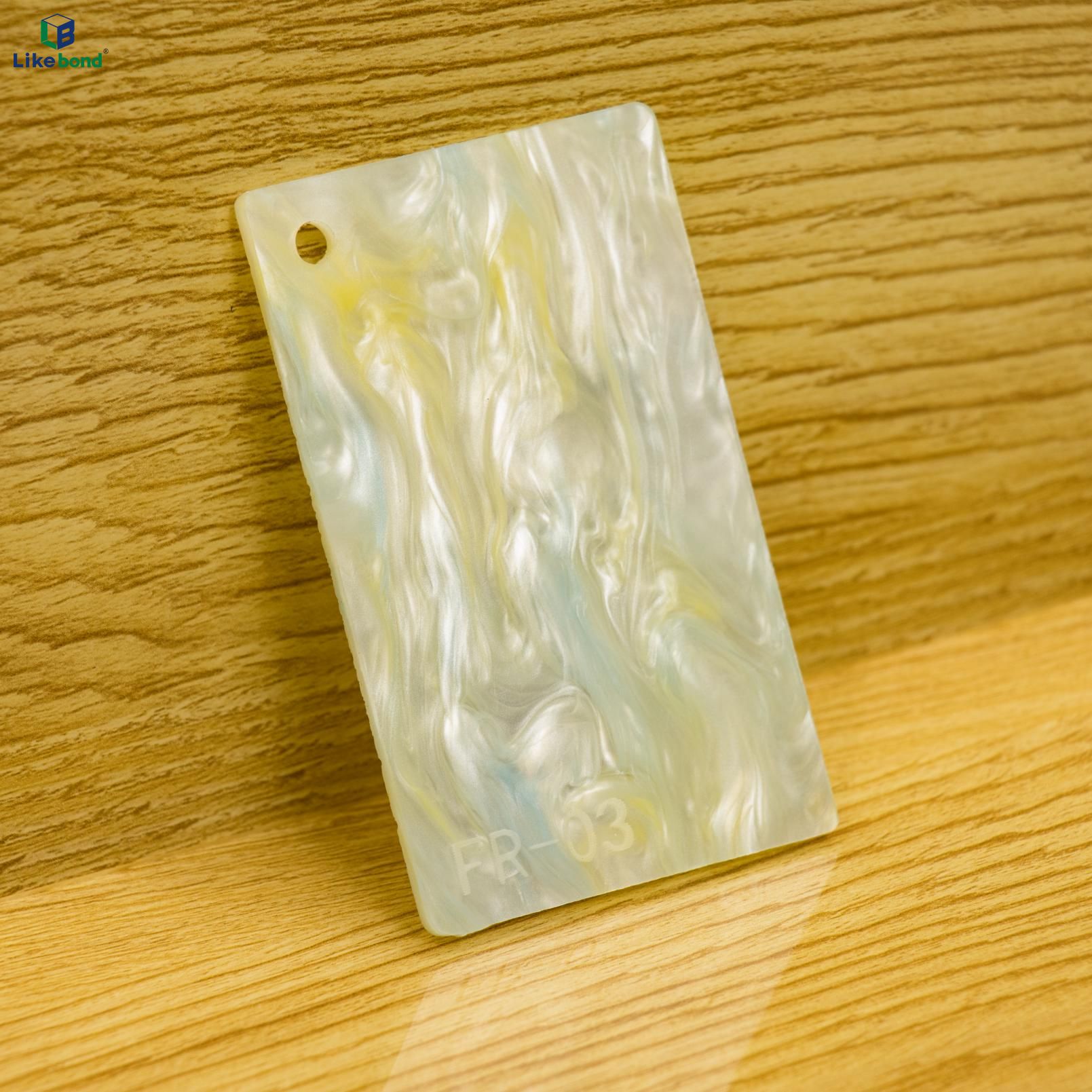
Selecting the right manufacturing process determines how well your final display performs. You must choose between cell cast and extruded acrylics based on your specific fabrication needs.
Cell cast acrylic serves as the premium choice for custom fabrication. It boasts superior optical clarity compared to other plastics. It resists crazing heavily during solvent welding, making it highly durable for glued joints. Machinists prefer it for laser cutting and high-gloss edge polishing. However, trade-offs exist. Cast sheets feature wider thickness tolerances across the panel. They also carry a slightly higher price point per square foot.
Extruded acrylic provides a reliable high-volume alternative. Extrusion produces highly uniform thickness across the entire sheet. This uniformity proves critical for slot-fitting components. It remains highly cost-effective for large production runs. The trade-offs require careful consideration. Extruded material is prone to gumming up during CNC routing due to a lower melting point. It also possesses a lower tolerance for chemical bonding.
| Feature | Cell Cast Acrylic | Extruded Acrylic |
|---|---|---|
| Optical Clarity | Superior (glass-like) | Excellent |
| Thickness Tolerance | Variable (+/- 10%) | Highly Uniform |
| Machinability | Excellent for laser cutting & polishing | Prone to melting/gumming on CNC routers |
| Cost Profile | Premium Pricing | Cost-Effective for Volume |
Beyond structural properties, merchandisers must assess aesthetic variations. Visual merchandising outcomes rely heavily on specific finishes.
Frosted Finishes: Diffuse intense spotlights smoothly and hide fingerprints in high-touch zones.
Fluorescent Edges: Create a glowing neon effect without using actual electronics, perfect for modern apparel brands.
Mirrored Backings: Generate visual depth in small POP displays, making display cases look twice as large.
Edge-lit Grades: Specially formulated to carry light from the edge across the entire panel face for ultra-thin signage.
Retail climates vary wildly across different geographic locations. Storefronts experience severe HVAC shifts throughout the year. You must acknowledge material expansion and contraction rates to avoid catastrophic failures. Acrylic expands when hot and shrinks when cold. Designers must engineer floating joints into their frameworks. Fixing panels too tightly causes cracking under thermal stress. You should always leave a slight expansion gap within metal framing systems.
Fire safety rules dictate tradeshow designs very tightly. Venues frequently require Class A or Class B fire-retardant certifications for any large-scale structure. Standard acrylic is a combustible polymer. You must perform compliance checks based on specific venue regulations before building. Fire marshals will reject non-compliant installations on-site, causing massive delays. Specialized fire-rated acrylics exist specifically for these heavily regulated exhibition environments.
Improper cleaning represents the absolute primary risk to your display investment. Ammonia-based glass cleaners cause catastrophic micro-fracturing, known in the industry as crazing. Once crazed, the material looks cloudy, brittle, and completely ruined. Operational handovers are necessary for long-term success. You must train store staff carefully. They must use microfiber cloths and specialized acrylic polishes only. Never allow standard window spray near high-end acrylic enclosures.
Navigating the procurement phase requires strict attention to detail. Follow this structured checklist to ensure your material specification aligns perfectly with your display goals.
Determine Load Bearing Needs: Match your sheet thickness carefully to the product weight. An 1/8" sheet works well for light cosmetics or jewelry. A 1/2" sheet becomes necessary for heavy electronics or tiered risers. Correct specification prevents unsightly bowing over time.
Assess Lighting Environments: Evaluate where the display will live. Specify anti-glare grades if it sits near sunlit windows to maintain readability. Choose UV-resistant variants if the unit sits under heavy retail spotlights to prevent long-term yellowing.
Confirm Vendor Requirements: Ask your fabricator key technical questions before ordering. Do they use solvent welding for seamless, bubble-free joints? Can they hold a tight +/- 10% thickness tolerance for an interlocking design? Ensure their machinery matches your material choice.
Execute Next Steps: Always order physical material samples before approving a massive rollout. Test the edge finishes closely. Place them against actual store lighting prototypes to verify LED diffusion behavior. Physical testing reveals flaws you cannot see on a digital render.
Art acrylic sheets are engineered polymers, not one-size-fits-all commodities. They require strict alignment with specific retail environments and fabrication methods. Ignoring environmental factors or improper cleaning protocols will quickly degrade your display investment.
When specified correctly, acrylic delivers massive value. Balancing cast versus extruded properties alongside proper maintenance protocols yields exceptional results. Acrylic consistently delivers higher returns, lower freight costs, and superior aesthetic impact compared to traditional glass or lower-grade plastics.
Take action on your next merchandising project today. Consult a fabrication engineer early in the design phase. Request a sample box to test optical clarity, edge polishing, and color-matching for your upcoming display rollout.
A: Yes, minor surface scratches can be removed using multi-stage abrasive polishing compounds (like Novus), making acrylic more salvageable than scratched glass. Deep gouges, however, usually require part replacement.
A: Standard acrylic softens at around 195°F (90°C). LED lighting is generally safe, but displays should be engineered with adequate venting if housing intense heat sources to prevent warping.
A: Acrylic is approximately 50% lighter than glass of the exact same thickness, fundamentally changing freight costs and the structural requirements of display bases.
A: High-quality, cell-cast colored acrylic is inherently UV-stable and resists fading over long periods, though continuous direct sunlight exposure over several years may cause slight degradation compared to indoor-only use.


