

Views: 0 Author: Site Editor Publish Time: 2025-11-19 Origin: Site


Acrylic mirror sheets are widely used in home decoration, commercial interiors, retail display, fitness spaces, and creative projects. Their lightweight structure and impact resistance make them safer and easier to handle than traditional glass mirrors. Many users search for reliable guidance on how to attach an acrylic mirror to a wall, especially when comparing methods for self-adhesive acrylic mirrors, paint-backed acrylic mirror sheets, and custom-cut mirrored acrylic mirrors. Understanding how each type is constructed helps ensure durability, clarity, and smooth reflection once installed.
Likebond provides various acrylic mirror materials, including flexible mirrors, rigid decorative panels, and engineered sheets designed for wall-mount use. Proper installation not only improves stability but also reduces reflection distortion, which is crucial for interior design and visual display purposes.
Different acrylic mirror types require different mounting methods. A self-adhesive acrylic mirror includes a ready-applied adhesive layer protected by a release liner. It is designed for convenience, allowing direct application to clean walls without additional glue. A paint-backed acrylic mirror sheet, in contrast, has a lacquered protective coating covering the reflective layer. This backing is not adhesive and cannot be bonded directly to the wall without assistance.
Paint-backed mirrors are often more rigid and suitable for larger areas, while thinner mirrored acrylic mirrors are more flexible but may show distortion if installed on an uneven surface. Considering the wall condition, installation environment, and mirror thickness helps determine the correct method.
Acrylic mirrors require a perfectly smooth and clean surface to achieve optimal clarity. Dust, bumps, and moisture can alter the reflection or weaken adhesion. Cleaning the wall with a mild detergent removes particles that interfere with bonding. The surface must be dry, fully cured if recently painted, and free of texture that might push against the mirror sheet.
When walls are uneven or textured, many installers choose to mount acrylic mirror sheets onto a flat backboard such as MDF, PVC foam board, or aluminum composite panel. This prevents bending and maintains a consistent visual effect, especially for commercial or full-wall applications.
A self-adhesive acrylic mirror simplifies installation by eliminating the need for glue. The back layer consists of industrial-grade adhesive designed to adhere strongly to interior walls. After positioning the mirror, the protective liner is removed, and the sheet is pressed onto the wall starting from one side. Gradual pressure helps prevent air pockets. A soft cloth or squeegee assists in smoothing the surface without scratching it.

This method is ideal for smaller mirrors, decorative art pieces, craft installations, and lightweight mirrored acrylic mirrors. The adhesive cures over time, achieving full bonding strength after 24 to 48 hours.
A paint-backed acrylic mirror requires a compatible adhesive because the lacquered layer is sensitive to certain chemicals. A neutral-cure acrylic mirror adhesive or professional-grade mounting tape works best. Adhesive should be applied in narrow, spaced beads rather than fully covering the back. This prevents trapped moisture and avoids uneven curing, which can cause warping.

Once the adhesive is applied, the sheet is aligned on the wall with light pressure. Temporary spacers help maintain position while the adhesive bonds. This method is widely used for medium and large mirror sheets in studios, commercial decoration, and retail environments.
Paint-backed acrylic mirrors can also be installed using pre-cut laser holes and screw mounting, a technique chosen when additional mechanical strength is required. During production, the mirror sheet is processed with laser-cut holes placed at the corners or strategic points along the edges. Laser cutting creates smooth, clean holes without damaging the reflective or lacquered layers.
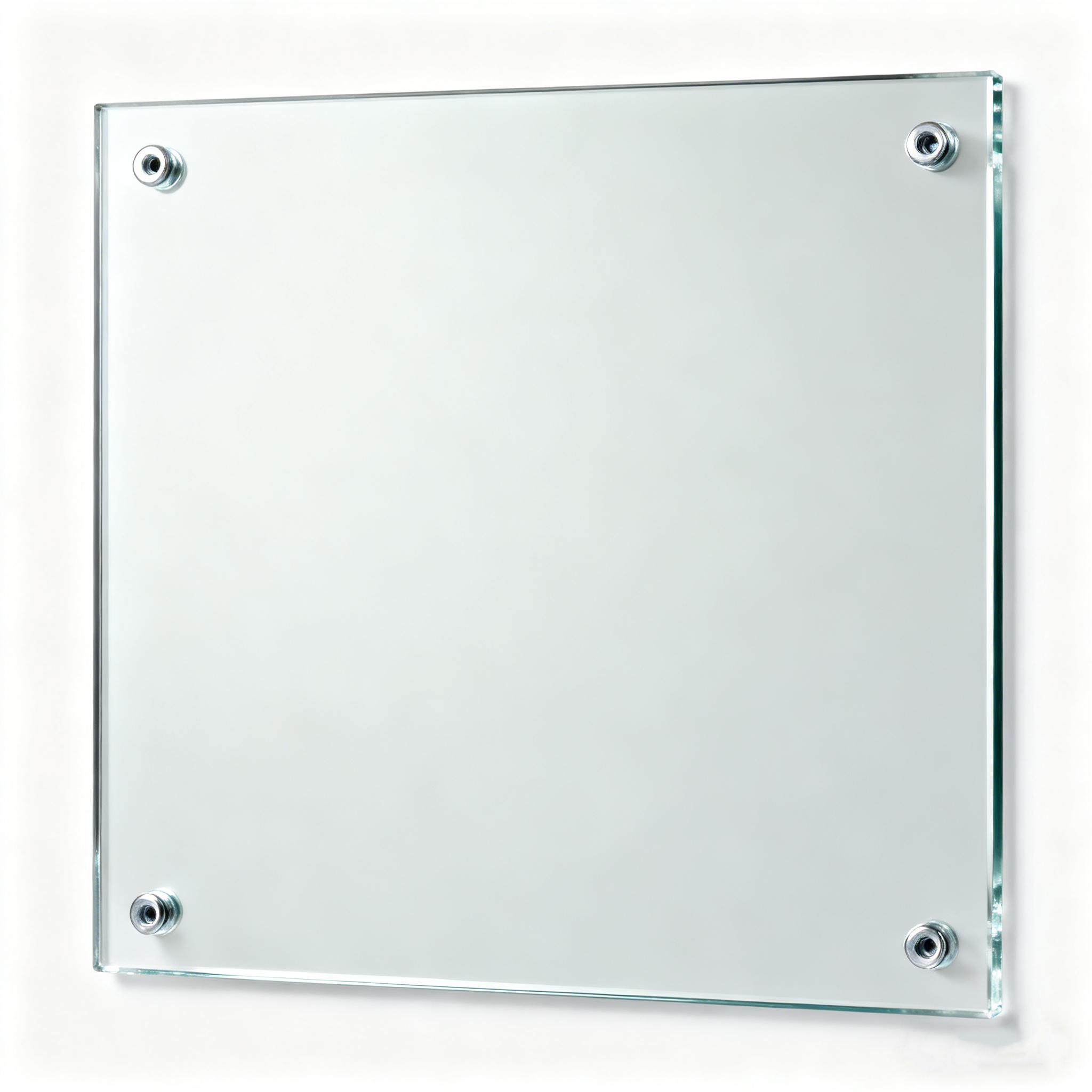
The acrylic mirror is then positioned on the wall and secured using appropriately sized screws. Spacers are added behind the sheet to distribute pressure evenly and prevent bending. Once aligned, the screws are tightened gently to avoid stress cracks and maintain a flat reflective surface. Decorative screw caps can be used to achieve a clean finish that complements the visual appeal of mirrored acrylic mirrors.
This mounting method is especially useful for large-area installations, such as dance studios, gym walls, signage, and high-traffic public spaces. It avoids adhesive-related issues in humid environments and allows easier removal or replacement in the future.
Acrylic mirrors are sensitive to uneven surfaces, so flatness is important. Mounting on a perfectly level base reduces reflection distortion. Allowing the mirror sheet to adjust to room temperature before installation helps maintain stability because acrylic expands and contracts slightly with temperature changes.
Large mirrored acrylic mirrors benefit from being installed onto rigid backing boards, which prevent subtle bending. When assembling multiple mirror panels, templates and alignment tools help maintain straight lines and consistent spacing.
Routine maintenance helps preserve clarity. A soft microfiber cloth is suitable for cleaning, while harsh chemicals, ammonia-based cleaners, or abrasive sponges should be avoided. Gentle cleaning prevents scratching and keeps the reflective surface clear.
In commercial environments, frames or edge trims may be added for protection, especially where people frequently touch the mirror. Acrylic mirrors remain secure for years when installed with the correct method, and the lightweight material makes replacement simple if a panel becomes scratched or damaged.
Users searching for information on how to install acrylic mirror sheets or how to put acrylic mirror on a wall will find that choosing the right installation method based on the mirror backing, thickness, and wall condition results in a reliable and visually consistent finish.
High-quality acrylic mirrors contribute to easier installation and better long-term performance. At Likebond, the acrylic mirror sheets, acrylic mirror adhesive options, self-adhesive acrylic mirrors, and customizable mirrored acrylic mirrors are manufactured to high optical standards, ensuring clear reflection and minimal distortion.
Whether for decorative use, retail display, interior renovation, or project-based applications, selecting a suitable installation method—adhesive bonding, self-adhesive mounting, or screw-mount reinforcement—ensures stable attachment and professional results. With correct preparation and material choice, acrylic mirrors deliver durable performance and enhance the visual style of any interior space.


