

Views: 0 Author: Site Editor Publish Time: 2025-11-17 Origin: Site


Working with acrylic sheets has become a practical choice for designers, fabricators, signage manufacturers, and DIY creators who look for clarity, durability, and modern aesthetics. Whether the project involves clear acrylic sheet panels, colored plexiglass acrylic sheets, or mirrored materials, there are many cases where two or more sheets must be connected into a single structure. Understanding how to join acrylic sheets correctly ensures not only a clean appearance but also long-term stability—especially for advertising displays, protective covers, light boxes, and architectural decorations.
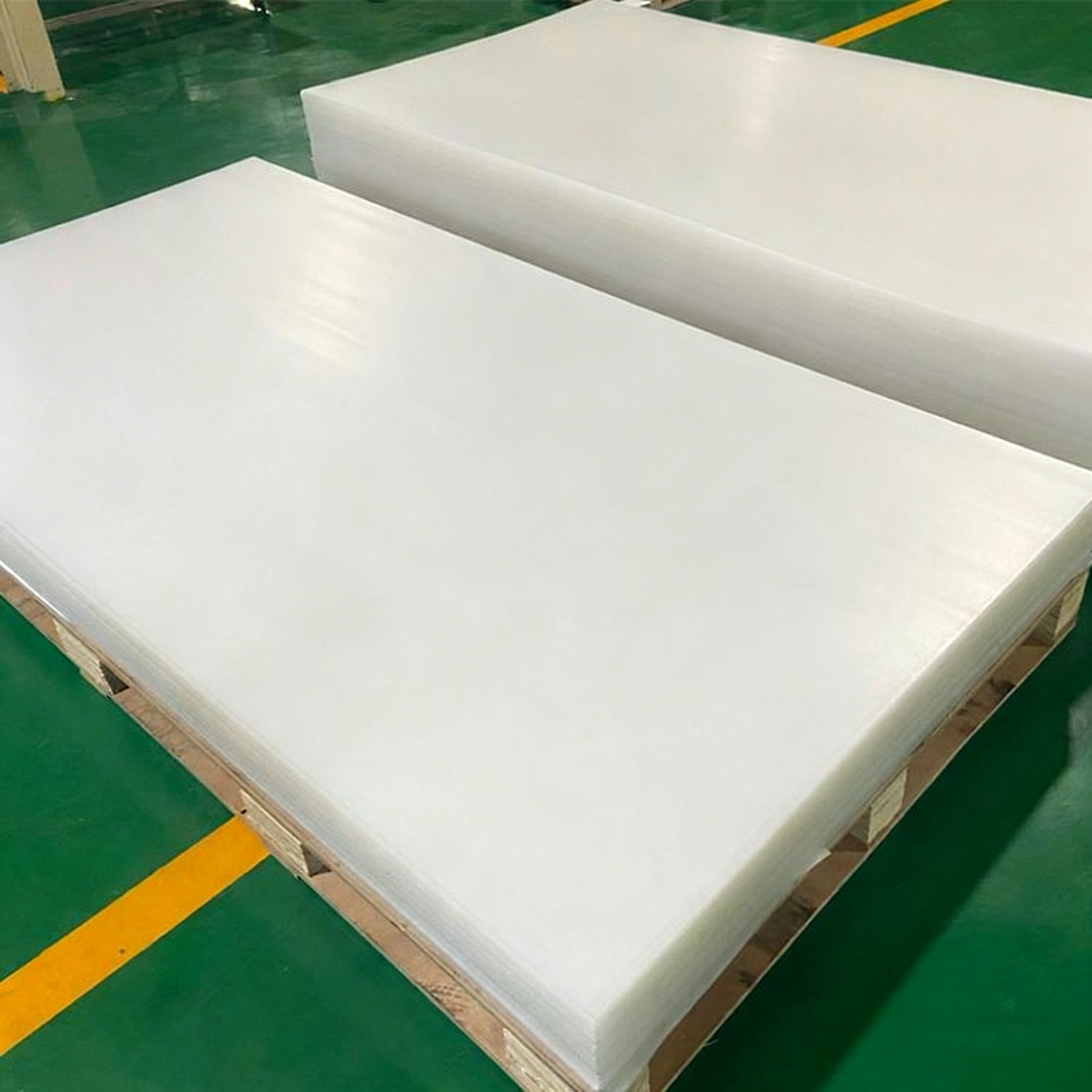
At Likebond, our factory specializes in producing high-quality acrylic sheets, mirrored acrylic, extruded and cast acrylic materials, and a wide range of custom panels. These products are designed with excellent optical performance, consistent thickness, and strong machinability, making them suitable for bonding, bending, heat-forming, laser cutting, and other applications.
The way acrylic sheets respond during bonding or bending depends on their manufacturing process. Cast acrylic sheets often display superior clarity and better resistance to chemical reactions during bonding. Extruded acrylic sheets are easier to thermoform and bend, making them ideal for light-duty structures. Clear acrylic sheet options remain popular for display cases and signage because the finished joints appear seamless after proper bonding.

Visitors often search phrases like how to connect acrylic sheets, how to join acrylic sheet, or how to attach acrylic sheets together, which reflects how crucial a clean joining technique is during fabrication. The performance of the final structure begins with the quality of the acrylic itself, and our factory-supplied sheets minimize internal stress, which reduces cracking during gluing or heat bending.
Joining acrylic sheets with solvent cement is one of the most common and effective methods. The bond occurs not by adding adhesive layers but through a chemical reaction that softens the surface of the acrylic so the sheets merge into a single, unified material. Because the process affects the acrylic at a molecular level, the joint often becomes as strong as the sheet itself.

For customers browsing how to join acrylic sheets, most professionals rely on capillary cement for thin sheets and thicker solvent adhesives for structural joints. When clear acrylic sheet panels are connected using these bonding agents, the result is a nearly invisible seam that maintains the material’s high transparency. This method works well in display cases, protective enclosures, and retail fixtures where visual quality matters.
When a project requires additional support—such as large panels, heavy signage, or load-bearing structures—mechanical fastening becomes a viable option. Screws, bolts, custom brackets, and aluminum composite frames allow acrylic sheets to remain stable even under pressure or vibration. For large decorative panels and branding displays, many customers use acrylic together with ACP panels because aluminum composite provides the rigidity while acrylic offers the visual appeal.

Those who search for how to attach acrylic sheets together often want to combine mechanical support with bonding. Using both methods ensures long-term durability, especially in outdoor signage exposed to weather changes.
In some projects, joining acrylic sheets is not only about bonding but shaping them so they form smooth, curved structures. This leads consumers to look up how to bend an acrylic sheet or how to bend acrylic sheets. Controlled heating allows the material to soften, after which it can be shaped by hand or with a mold. This process is widely used in LED light boxes, point-of-sale displays, product organizers, and architectural accents.

Because our acrylic sheets maintain uniform thickness and low internal stress, bending becomes predictable and produces smooth results without whitening or cracking. The clarity of the sheet remains intact even after forming, making it suitable for retail lighting structures where appearance is essential.
A strong joint is important, but the final appearance matters just as much. After the acrylic sheets are bonded or bent, the edges can be polished to restore optical transparency. Flame polishing and machine polishing are often used in premium display projects and luxury signage. When combined with high-quality solvent bonding, the final product achieves a clean, seamless, and modern finish.
Users who work with plexiglass acrylic sheets or high-gloss mirrored acrylic require extra precision. Our mirrored panels have a protective backing that remains stable during cutting and bonding, ensuring the reflective layer stays smooth and undamaged. This consistency enhances the professional appearance of retail branding, vanity displays, decorative walls, and corporate signage.

Acrylic is widely favored in signage manufacturing because of its clarity, customizable thickness, and ability to be bent or joined into almost any shape. Many customers on our website use these techniques for fabrication such as:
Lighted channel letters and LED signage
Display cabinets and protective covers
Retail shelving and branded showcases
Museum cases and architectural decor
Whether the project uses clear acrylic sheet panels, colored plexiglass acrylic sheets, or customized mirrored boards, reliable joining and bending methods allow designers to achieve both structural integrity and attractive presentation.

At Likebond, we supply acrylic sheets that meet the requirements of both hobby creators and industrial clients. Each sheet is produced with consistent optical clarity, high strength, and excellent compatibility with bonding agents. Our materials respond smoothly to heat bending, CNC machining, and laser cutting, making them a preferred choice for fabricators seeking dependable results.
From customers searching how to connect acrylic sheets to those needing structural solutions, the quality of the raw acrylic plays a decisive role in the outcome. Our factory ensures stable thickness, clean surfaces, and strong durability so the joining process becomes easier and more reliable.


