

Views: 0 Author: Site Editor Publish Time: 2025-12-13 Origin: Site


Selecting the right materials is one of the most important decisions when developing products for children. Safety regulations, durability expectations, and design flexibility all influence how a product performs in real use. Among reflective materials, acrylic mirror sheets have become a widely accepted solution for children-focused applications, replacing traditional glass in many scenarios. However, not all acrylic mirror options are the same. For manufacturers, understanding how to choose the right acrylic mirror sheet for children’s products can directly affect product quality, compliance, and long-term market success.

An acrylic kids mirror is not just a decorative element. In toys, learning tools, and child-friendly interiors, mirrors support interaction, visual development, and imaginative play. Acrylic mirrors for children must meet higher standards than decorative mirrors used in adult environments. The material must provide reliable reflection while maintaining physical safety, especially when products are handled frequently or installed at child height.

Acrylic mirror sheets are manufactured using PMMA as the base material, combined with a reflective coating on one side. This structure offers excellent clarity while significantly reducing the risk associated with breakage. When evaluating acrylic mirror options, B2B buyers should focus on performance consistency rather than price alone, as material quality directly affects end-user experience and brand reputation.
One of the most common challenges in sourcing acrylic mirror sheets for children’s products is choosing the correct thickness. Thinner sheets may appear cost-effective, but they can introduce issues such as warping, distortion, or reduced impact resistance. Thicker acrylic mirror sheets provide better structural stability, which is particularly important for wall-mounted acrylic mirrors for children or large interactive panels.

For toy mirrors and handheld products, moderate thickness allows flexibility without compromising safety. In contrast, applications that use acrylic mirror sheet 4×8 panels for large installations often require thicker material to maintain flatness and reflection accuracy. Manufacturers who understand the relationship between thickness and application gain greater control over product performance and long-term durability.
Reflection quality is a key factor in determining whether an acrylic mirror is suitable for children’s products. Poor-quality acrylic mirrors can produce distorted images, which may affect usability and visual comfort. High-quality acrylic mirror sheets deliver smooth, uniform reflections that closely resemble glass while maintaining the advantages of lightweight construction.

Optical consistency becomes especially important in educational environments, where mirrors are used for movement activities, coordination exercises, or sensory development. Acrylic mirrors for children must maintain clarity across the entire surface, particularly when produced in larger sizes from acrylic mirror sheet 4×8 formats. This level of consistency reflects directly on the manufacturer’s quality standards.
While impact resistance is one of the primary reasons acrylic mirrors replace glass, safety considerations go further. Edge quality, surface finish, and coating stability all influence how safe a finished product is for children. Acrylic mirror sheets processed with laser cutting typically offer smoother edges compared to mechanical cutting, reducing the risk of sharp corners.

Protective films applied during production help prevent surface damage before installation or assembly. For B2B buyers supplying acrylic kids mirror products to schools or retailers, these details are essential. Safety is not only about material choice but also about how that material is processed and finished.
Production scale plays a significant role in material selection. Acrylic mirror sheet 4×8 formats are widely used in manufacturing because they support efficient cutting layouts and reduce material waste. For companies producing acrylic mirrors for children at scale, large-format sheets allow better control over cost and consistency.
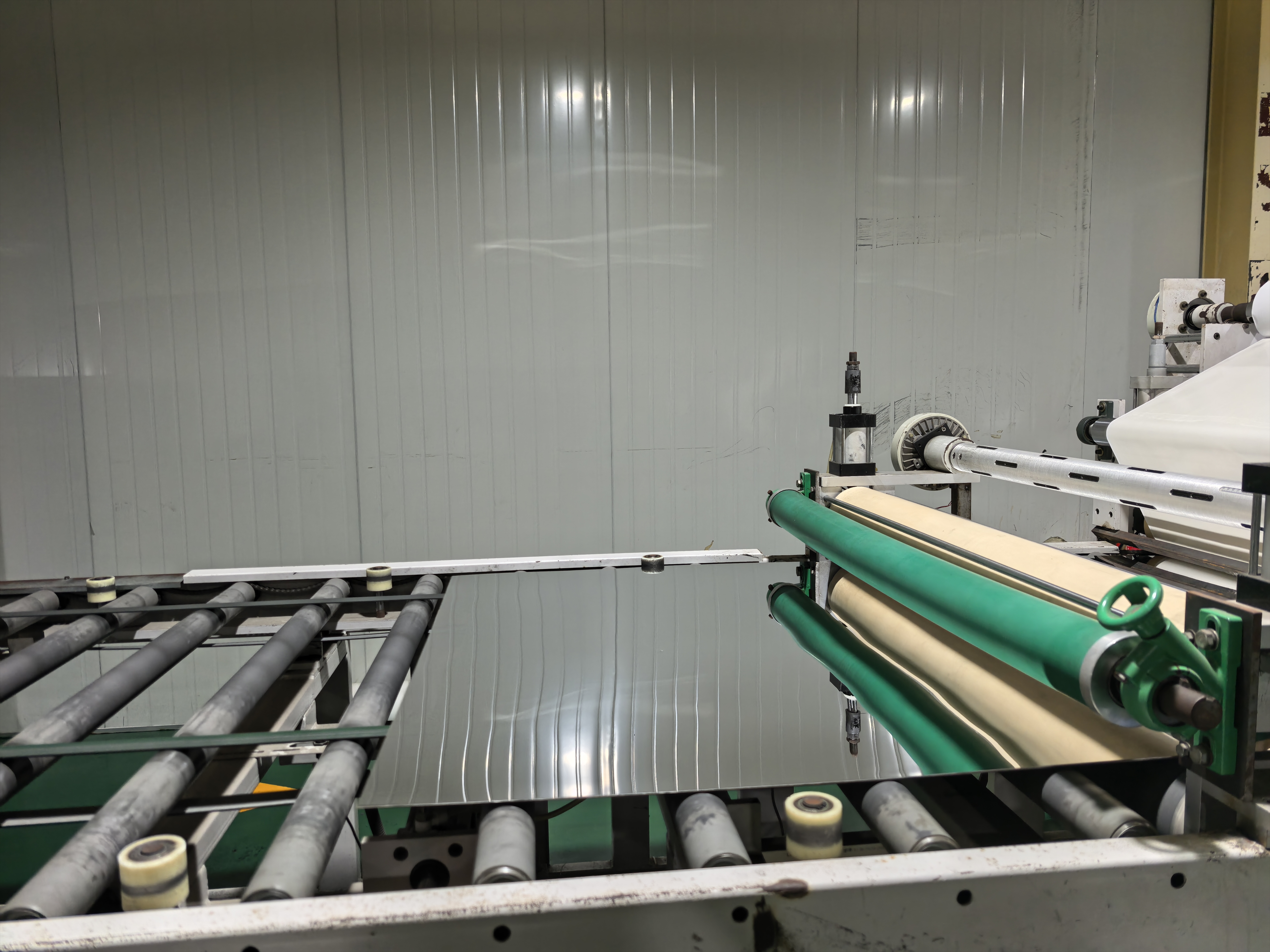
Smaller formats may suit custom or limited-edition products, but large sheets offer flexibility across multiple product lines. From toy components to wall-mounted acrylic kids mirrors, a standardized acrylic mirror sheet size simplifies inventory management and production planning. This is particularly valuable for B2B customers managing multiple SKUs.
Acrylic mirror sheets are favored not only for their safety but also for their compatibility with modern processing methods. Laser cutting, CNC machining, and engraving allow manufacturers to create precise shapes and customized designs without damaging the reflective surface. This flexibility supports innovation in children’s products, where creative shapes and interactive elements are often essential.

Design freedom also extends to color options. Acrylic mirrors are available in silver, gold, and various tinted finishes, enabling brands to align mirror components with broader product aesthetics. For acrylic kids mirror applications, visual appeal is closely linked to user engagement, making material flexibility a strategic advantage rather than a secondary feature.
Children’s products are exposed to frequent handling, cleaning, and environmental changes. Acrylic mirror sheets selected for these applications must withstand daily wear without losing clarity or structural integrity. High-quality acrylic mirrors resist cracking and maintain surface stability even after extended use.

For B2B buyers, durability translates into fewer complaints, lower return rates, and stronger brand trust. Acrylic mirrors for children that perform well over time help manufacturers meet both regulatory requirements and consumer expectations. Choosing a reliable acrylic mirror sheet supplier becomes a critical part of this equation.
Cost considerations are unavoidable in product development, but focusing solely on unit price can lead to compromises that affect overall value. Lower-grade acrylic mirror sheets may reduce initial costs but introduce hidden expenses related to processing difficulties, quality issues, or safety concerns.

Experienced B2B buyers approach acrylic mirror selection by evaluating total value rather than price alone. Factors such as yield efficiency, processing compatibility, and long-term performance often outweigh minor cost differences. Acrylic mirror sheet 4×8 options, when sourced from reliable suppliers, support cost-effective production without sacrificing quality.
Different markets impose varying standards on children’s products, especially those involving reflective materials. Acrylic mirrors used for children must align with local safety guidelines and quality expectations. While acrylic mirror sheets are widely accepted, manufacturers still need to ensure that processing methods and finished products meet relevant compliance requirements.
Understanding these expectations early in the material selection process reduces risk and speeds up product approval. For companies targeting international markets, working with acrylic mirror suppliers who understand global standards can simplify expansion and reduce regulatory friction.
Choosing the right acrylic mirror sheet for children’s products is not a one-time decision. It influences design possibilities, production efficiency, and brand positioning over time. Acrylic mirrors that combine clarity, safety, and flexibility enable manufacturers to adapt quickly to changing market demands.

Platforms such as Likebond provide access to a wide range of acrylic mirror sheet options, supporting both standard and customized requirements. For B2B customers, this access helps build stable supply chains and supports ongoing product innovation in the children’s sector.
The success of children’s products depends heavily on material choices that balance safety, performance, and design freedom. Acrylic mirror sheets have proven to be a reliable solution for acrylic kids mirror applications, toy design, and child-friendly environments. By carefully considering factors such as thickness, reflection quality, processing methods, and production scale, manufacturers can select acrylic mirrors for children that meet both technical and market expectations.
From small custom components to large acrylic mirror sheet 4×8 installations, the right acrylic mirror material supports safer products and stronger brand value. For B2B buyers focused on quality and long-term growth, informed material selection is not just a technical step but a strategic advantage.


