

Views: 0 Author: Site Editor Publish Time: 2026-03-18 Origin: Site


Acrylic mirrors are quickly becoming a popular choice in various applications due to their durability, safety, and flexibility. Whether used in homes, businesses, gyms, or even public spaces, the primary question that many potential buyers have is: Is an acrylic mirror unbreakable?
Acrylic mirrors, also known as Perspex mirrors, are an excellent alternative to traditional glass mirrors. Made from acrylic (PMMA), a lightweight and durable thermoplastic, these mirrors offer a combination of strength, shatter resistance, and ease of customization. However, despite their impressive features, the question arises: are they truly unbreakable?
In this comprehensive guide, we will explore the key characteristics of acrylic mirrors, their manufacturing process, and their strengths and limitations. By the end of this article, you'll have a clear understanding of how these mirrors compare to traditional glass mirrors and whether they truly live up to the claim of being "unbreakable."
An acrylic mirror is a reflective surface created from acrylic plastic, often treated with a reflective coating to create the same appearance as traditional glass mirrors. Acrylic mirrors are distinct from glass mirrors because of their composition, which provides several advantages in terms of durability and weight.
Lightweight: Acrylic mirrors are significantly lighter than glass mirrors, making them easier to handle and install.
Shatter Resistance: Acrylic mirrors are far more shatter-resistant compared to glass, making them ideal for environments where safety is a concern.
Flexibility: Acrylic mirrors can be manufactured in a variety of shapes, sizes, and colors, offering greater design flexibility than glass mirrors.
Customizable: Acrylic mirrors can be made with different coatings for added durability, such as anti-scratch or anti-glare coatings.
These characteristics make acrylic mirrors an excellent choice for a variety of uses, including residential, commercial, and industrial applications.
The process of manufacturing an acrylic mirror is quite intricate and involves several steps to ensure a high-quality, durable product. Here is a breakdown of the steps involved:
Acrylic Sheet Production: Acrylic sheets are made by polymerizing methyl methacrylate (MMA) into a solid sheet. The sheets can be produced in various thicknesses, with typical thicknesses ranging from 1mm to 6mm.
Reflective Coating: The acrylic sheet is coated with a thin layer of reflective material, often aluminum, using a process called vacuum metalizing. This process involves placing the acrylic sheet in a vacuum chamber, where aluminum is vaporized and deposited onto the surface of the acrylic sheet, creating the reflective surface.
Finishing: The reflective surface may undergo additional processes, such as polishing or applying protective coatings. Some acrylic mirrors are coated with an anti-scratch or UV-protective layer to enhance their durability.
Cutting and Shaping: Once the acrylic mirror sheet is made, it can be cut and shaped into custom sizes and designs. Acrylic mirrors can be easily cut, drilled, and shaped, offering high design flexibility.
Acrylic mirrors come in several varieties based on the coatings and finishes applied. Here are the most common types:
Standard Acrylic Mirror: A basic mirror with a reflective surface.
Adhesive Acrylic Mirror: These mirrors come with a pre-applied adhesive backing, making installation quick and easy.
Paint-Back Acrylic Mirror: These mirrors feature a painted back surface, providing enhanced durability and resistance to wear.
Hardened Acrylic Mirror: These mirrors undergo a hardening process to increase their scratch resistance and impact strength.
Each type of acrylic mirror serves different needs depending on the application, and customers can choose based on their requirements.
One of the most common misconceptions about acrylic mirrors is that they are "unbreakable." While acrylic mirrors are incredibly durable and resistant to shattering, they are not completely unbreakable under all conditions.
Feature | Acrylic Mirror | Glass Mirror |
Weight | Lighter, easier to handle | Heavier, more fragile |
Shatter Resistance | Highly resistant, won’t shatter easily | Can shatter or break upon impact |
Durability | More resistant to scratches and impacts | Prone to scratches and cracks |
Flexibility | Flexible, can be bent or molded | Rigid, cannot be bent |
Customization | Highly customizable (sizes, shapes, colors) | Limited customization options |
Maintenance | Easy to maintain, scratch-resistant coatings | Requires more careful handling |
While acrylic mirrors are far stronger than glass mirrors, they are not impervious to damage. Extreme impacts, such as being dropped from a significant height or subjected to heavy force, can cause acrylic mirrors to crack or break. However, the likelihood of breakage is far lower than that of glass mirrors, which are much more prone to shattering.
The primary reason acrylic mirrors are so durable is the nature of the material itself. Acrylic is a thermoplastic that has a flexible molecular structure, which allows it to absorb impacts better than glass. When acrylic is subjected to force, it bends slightly, dispersing the energy rather than cracking under pressure. This makes it ideal for environments where safety is a concern, such as gyms, schools, or public spaces.
Acrylic mirrors are highly resistant to breaking, but they are not impervious to damage. With the right thickness and coating, acrylic mirrors can withstand a significant amount of stress. However, they may still crack under extreme conditions or improper use.
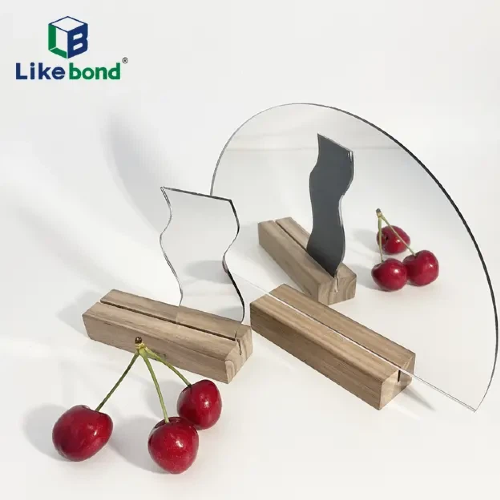
Acrylic mirrors have several advantages that make them perfect for a variety of settings. Here’s how these mirrors shine in specific applications:
Acrylic mirrors are ideal for places where safety is a priority. Unlike glass, which can shatter into dangerous shards, acrylic mirrors tend to break into larger pieces with dull edges, reducing the risk of injury. This makes them perfect for gyms, schools, hospitals, and other public areas where people may come into contact with the mirrors.
The lightweight nature of acrylic mirrors makes them much easier to handle and install. Whether you're installing mirrors in a home, office, or store, the reduced weight makes the process simpler and more efficient. Additionally, acrylic mirrors are easier to cut and shape, offering high design flexibility.
Acrylic mirrors come in a wide range of colors and finishes. They can be made with various reflective coatings to enhance their visual appeal. Whether you're looking for a sleek, modern design or a custom color, acrylic mirrors can be tailored to fit your aesthetic needs.
Acrylic mirrors are resistant to environmental factors such as UV rays, moisture, and temperature fluctuations. They are ideal for both indoor and outdoor applications, making them a versatile choice for use in settings like storefronts, exhibition halls, and even outdoors in areas with harsh weather conditions.
To keep your acrylic mirror in optimal condition, proper care and maintenance are essential. Here are some best practices to follow:
Cleaning acrylic mirrors is relatively simple, but it’s essential to avoid harsh chemicals that could damage the surface. To clean an acrylic mirror:
Use a soft microfiber cloth to wipe the surface.
Avoid using paper towels or abrasive materials that could cause scratches.
Use a mild soap solution or acrylic-specific cleaner for stubborn stains.
For dust, simply use a dry cloth or a feather duster.
While acrylic mirrors are resistant to scratching, they are not entirely scratch-proof. To prevent scratches, avoid using abrasive materials or cleaners. Additionally, store the mirror in a safe place when not in use to avoid accidental scratches or scuffs.
Acrylic mirrors are susceptible to UV degradation over time. To preserve the mirror’s clarity, consider using a UV-resistant coating or installing the mirror in a location that avoids direct sunlight.
Choosing the right type of mirror depends on your specific needs and the environment in which it will be used. Acrylic mirrors offer numerous advantages, such as safety, lightweight construction, and design flexibility. However, if you require a mirror that is impervious to any damage, even under extreme conditions, then a more durable material like glass or metal might be necessary.
Acrylic mirrors excel in applications where safety, ease of installation, and durability are the primary concerns. For most standard use cases, acrylic mirrors provide an excellent balance of strength, flexibility, and aesthetic appeal.
In conclusion, while acrylic mirrors are not entirely unbreakable, they offer exceptional shatter-resistance and durability, making them a far stronger option than traditional glass mirrors. Their ability to withstand impacts without shattering makes them ideal for environments where safety is a priority. Although they can still crack or break under extreme force, acrylic mirrors provide a safer, more versatile, and long-lasting alternative to glass in most applications.
At Likebond Co., Ltd., we specialize in providing high-quality acrylic mirrors tailored to meet the diverse needs of our customers. Whether you're looking for mirrors for commercial, residential, or industrial use, our products offer both exceptional strength and aesthetic appeal. Our team is ready to assist you with any inquiries or custom requirements you may have. Feel free to reach out to us for more information or personalized assistance in choosing the perfect acrylic mirror solution for your needs.
Q1: Are acrylic mirrors stronger than glass mirrors?
A1: Yes, acrylic mirrors are stronger and more impact-resistant than glass mirrors. They are far less likely to shatter when dropped, making them a safer option in many environments.
Q2: Can an acrylic mirror be scratched?
A2: Acrylic mirrors can be scratched, although they are more resistant than glass. Proper care, such as cleaning with a soft cloth, can help minimize scratches.
Q3: How do I clean an acrylic mirror without damaging it?
A3: To clean an acrylic mirror, use a soft microfiber cloth with a mild soap solution. Avoid abrasive materials and harsh chemicals that could damage the surface.
Q4: Can an acrylic mirror be used outdoors?
A4:No. Acrylic mirrors are generally not recommended for outdoor use. Prolonged exposure to sunlight, rain, moisture, and temperature changes may damage the reflective coating, backing, or adhesive.
Q5: Are acrylic mirrors completely shatterproof?
A5: Acrylic mirrors are highly shatter-resistant but not completely shatterproof. They are much safer than glass mirrors, but extreme impacts can cause them to crack or break.


