

Views: 0 Author: Site Editor Publish Time: 2025-12-17 Origin: Site


OEM and custom acrylic mirror sheets have become an essential material choice across retail displays, interior decoration, furniture manufacturing, signage production, and temporary architectural projects. As demand grows for lightweight, safe, and visually consistent reflective materials, buyers are no longer satisfied with standard off-the-shelf options. They want control over size, thickness, color, coating quality, and production stability. Understanding how OEM acrylic mirror solutions work is critical for making informed purchasing decisions, especially when sourcing from overseas manufacturers.
At Likebond, acrylic mirror sheets are developed specifically for commercial and industrial buyers who require reliable performance, consistent appearance, and scalable supply. This article explains what buyers should realistically expect from OEM and custom acrylic mirror production, how to evaluate quality, and where common sourcing risks often occur.
OEM acrylic mirror production refers to manufacturing acrylic mirror sheets based on a buyer’s technical requirements rather than fixed catalog specifications. This often includes customized dimensions, thickness tolerances, reflective coatings, protective films, and packaging standards. For B2B buyers, OEM acrylic mirror manufacturing is not about branding alone but about achieving repeatable performance across multiple production batches.

Unlike glass mirrors, acrylic mirror sheets are produced using PMMA substrates combined with a reflective coating layer. The quality of an OEM acrylic mirror depends heavily on substrate clarity, coating adhesion, and surface flatness. Even small inconsistencies can affect visual reflection, cutting accuracy, or installation results, which is why experienced manufacturers focus on process control rather than appearance alone.
One of the most common reasons buyers choose custom acrylic mirror sheets is size flexibility. While standard formats such as acrylic mirror sheet 4x8 remain widely used for signage and furniture panels, many commercial projects require non-standard dimensions to reduce material waste and secondary processing.
OEM production allows buyers to specify sheet sizes, thickness ranges, and cutting tolerances that align with downstream fabrication methods. Laser cutting, CNC routing, and cold bending all place different demands on the material. A properly specified acrylic mirror sheet reduces edge cracking, heat distortion, and surface haze during processing.

For buyers managing large-scale rollouts, consistent sizing across shipments is often more important than cost. Variations as small as one millimeter can cause alignment issues during installation, especially in modular display systems or mirrored wall panels.
Mirrored acrylic mirrors are selected primarily for their reflective appearance, yet reflection quality is often misunderstood during sourcing. Not all acrylic mirror sheets provide the same clarity, color neutrality, or image sharpness. These differences typically result from coating technology, substrate purity, and curing processes rather than thickness alone.
OEM buyers should pay attention to how reflection performs under different lighting conditions. Retail environments with LED lighting can exaggerate surface distortion or color shift if the reflective layer is inconsistent. High-quality acrylic mirror production focuses on maintaining uniform coating thickness and strong bonding between layers, ensuring that reflection remains stable across the entire sheet.

For applications involving visual merchandising or decorative panels, consistency between batches is critical. Even slight variations in tone can become noticeable when multiple mirrored acrylic mirrors are installed side by side.
One reason acrylic mirror has replaced glass in many applications is safety. Acrylic mirror sheets are significantly lighter than glass and far more impact-resistant, making them suitable for public spaces, children’s products, exhibitions, and temporary installations.
OEM acrylic mirror production allows buyers to select thickness levels that balance weight and rigidity. Thicker sheets improve flatness and durability, while thinner sheets reduce shipping costs and installation effort. Choosing the right thickness is less about maximum strength and more about matching real usage conditions.

Safety requirements vary by market, and buyers sourcing acrylic mirror sheets internationally should confirm whether materials meet local regulations or project standards. While acrylic mirrors do not shatter like glass, surface scratching and edge damage can occur if material quality or protective films are insufficient.
Custom acrylic mirror sheets must be compatible with the buyer’s processing methods. Poor material selection often leads to melting edges during laser cutting, micro-cracks after drilling, or warping during installation. These problems usually appear after delivery, making them costly to correct.
OEM manufacturers with experience in signage and display materials understand how acrylic mirror behaves during fabrication. Adjustments to sheet formulation, coating hardness, and protective film quality can significantly improve processing outcomes.
For buyers working with acrylic mirror sheet 4x8 formats, proper flatness and internal stress control are essential. Sheets that appear acceptable upon arrival may deform once unpacked or mounted if internal stress was not managed during production.
Beyond standard silver finishes, mirrored acrylic mirrors are increasingly used in decorative applications that require gold, bronze, rose, or tinted reflections. OEM acrylic mirror production allows buyers to customize reflective colors while maintaining consistent gloss and reflectivity.
Color stability becomes especially important for long-term indoor installations. Inferior coatings may fade or shift tone under constant lighting. Buyers should request performance data or long-term usage references rather than relying on visual samples alone.

In furniture panels, wall decor, and branded retail elements, acrylic mirror often serves both functional and aesthetic roles. Consistent color across multiple batches ensures design continuity, especially for chain stores or large-scale rollouts.
One of the most common pain points for buyers sourcing acrylic mirror sheets is batch inconsistency. Differences in thickness, surface finish, or coating adhesion can disrupt production schedules and increase rejection rates.
OEM acrylic mirror suppliers with stable production systems implement quality checks at multiple stages, including substrate inspection, coating uniformity evaluation, and surface protection verification. These controls help ensure that mirrored acrylic mirrors perform the same way from one shipment to the next.
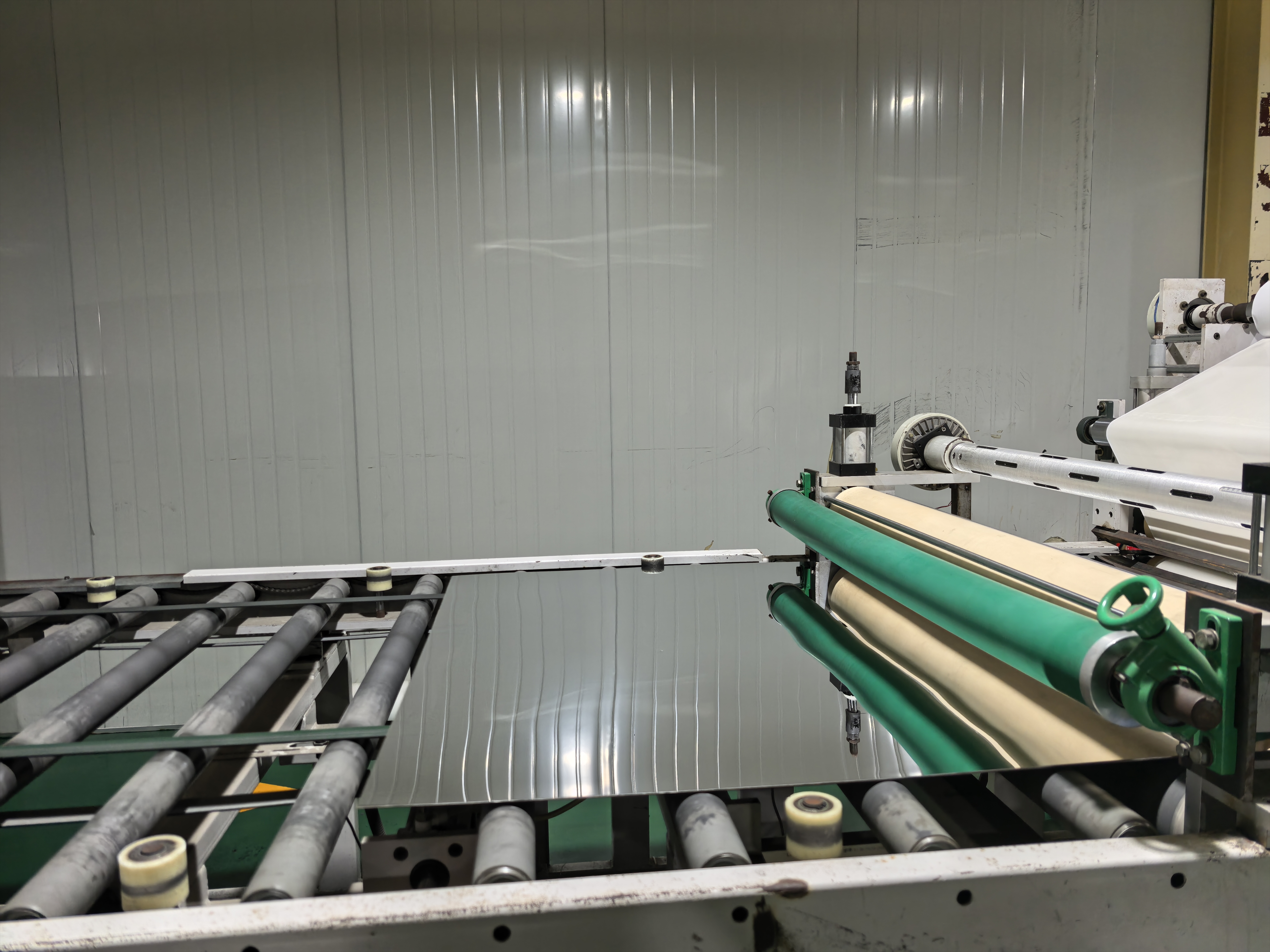
Buyers planning repeat orders should evaluate suppliers not only on sample quality but also on production transparency and communication. Understanding how materials are controlled during manufacturing reduces risk over long-term cooperation.
Shipping acrylic mirror sheets internationally presents its own challenges. Surface scratches, corner damage, and film adhesion issues often occur during transportation rather than production. OEM solutions extend beyond the sheet itself to include customized packaging methods.
Proper protective films, edge protection, pallet design, and container loading techniques significantly reduce damage rates. For large acrylic mirror sheet 4x8 shipments, stacking methods and pressure distribution are especially important.

Buyers should clarify packaging standards during the quotation stage rather than after issues occur. Clear specifications help suppliers align packaging methods with transit distance and handling conditions.
Selecting the right OEM acrylic mirror partner involves more than comparing prices. Buyers should evaluate manufacturing experience, application knowledge, and communication efficiency. A supplier familiar with signage, display, and decorative markets is more likely to anticipate potential issues before they affect production.
At acrylic-supplier.com, acrylic mirror sheets are developed with a focus on real-world usage rather than theoretical specifications. Product options include standard and custom acrylic mirror sheet sizes, mirrored acrylic mirrors in multiple finishes, and OEM solutions designed for long-term B2B cooperation.
Buyers who understand their application requirements and communicate them clearly are better positioned to benefit from OEM acrylic mirror manufacturing. Transparent collaboration reduces waste, improves consistency, and supports sustainable sourcing strategies.


