

Views: 0 Author: Site Editor Publish Time: 2026-08-09 Origin: Site


Balancing expansive, highly reflective aesthetics with the physical limitations of heavy, fragile materials creates a constant tension in architectural and interior design. Traditional glass mirrors present significant logistical, safety, and financial constraints in high-traffic, institutional, or large-scale environments. High shipping costs, complex mounting requirements, and the catastrophic risk of shattering make glass a liability in many modern applications. The Acrylic Mirror emerges as a highly engineered alternative that directly solves these structural and safety challenges. By replacing heavy silica with lightweight polymers, designers and builders can achieve brilliant reflective surfaces without the traditional drawbacks. This guide evaluates the technical benefits, installation trade-offs, and ideal use cases for acrylic reflective panels.
Unmatched Impact Resistance: Acrylic mirrors offer up to 17 to 20 times the impact resistance of traditional glass, virtually eliminating shatter risks in high-liability environments.
Significant Weight Reduction: At roughly half the weight of standard glass, an acrylic mirror panel reduces structural load requirements and simplifies logistics and installation.
On-Site Fabrication: Unlike tempered glass, acrylic can be cut, drilled, and routed on-site, allowing for rapid adjustments and custom fitting without specialized manufacturing delays.
Installation Caveats: While highly durable against impact, acrylic requires rigid, perfectly flat substrates during installation to prevent optical distortion (the "funhouse effect") and necessitates specific maintenance protocols to prevent surface scratching.
Understanding the performance of an acrylic reflective surface requires looking at its core composition. The foundation consists of either extruded or cast polymethyl methacrylate (PMMA) sheets. The manufacturing method dictates the physical properties of the final sheet, influencing how it behaves during fabrication and installation.
Extruded acrylic is manufactured by pushing molten polymer through a die. This continuous process is highly efficient and yields sheets with exceptionally uniform thickness. It is the standard for large production runs where dimensional consistency is the primary requirement. Cell cast acrylic, on the other hand, is made by pouring the polymer into glass molds. This slower process results in a denser sheet with superior optical clarity and higher molecular weight. Cast acrylic is generally easier to machine because it resists melting under the friction of router bits and saw blades.
| Manufacturing Method | Thickness Tolerance | Machinability | Optical Clarity | Best Use Case |
|---|---|---|---|---|
| Extruded PMMA | Excellent (Highly uniform) | Good (Prone to melting if feed rate is too slow) | High | Large-scale wall installations, standard retail displays |
| Cell Cast PMMA | Variable (Slight thickness variations) | Excellent (Chips cleanly, resists melting) | Superior | Custom routed shapes, high-end architectural details |
The mirroring process transforms these clear plastic sheets into highly reflective surfaces. Manufacturers utilize a vacuum metallizing chamber to deposit a microscopic layer of aluminum onto the back of the clear acrylic. This aluminum layer creates the actual reflection. Because aluminum oxidizes rapidly and is easily scratched, it must be protected. A durable, opaque backing paint is applied over the metal layer. This paint seals the aluminum, protecting it from environmental degradation and physical damage during handling.
When evaluating materials for a project, a commercial-grade Acrylic Mirror Panel must meet specific baseline success criteria. You should verify the following elements before specification:
Uniform sheet thickness across the entire panel to prevent localized distortion.
A high-quality reflective coating completely free of pinholes or dark spots when held up to a light source.
Robust protective masking on the front face to prevent scratches during transit and cutting.
A tough, scratch-resistant backing paint that does not flake or peel when scored.
The primary driver for specifying acrylic over glass is safety. Acrylic provides 17 to 20 times the impact resistance of standard glass of the same thickness. When struck with significant blunt force, acrylic flexes. If the impact exceeds the material's tensile strength, it may crack or dent, but it will not shatter into dangerous, jagged shards. This shatterproof quality dramatically reduces liability in environments where broken glass poses a severe hazard. Schools, prisons, hospitals, and public retail spaces mandate materials that protect occupants from accidental injury or intentional vandalism.
Acrylic weighs approximately half as much as traditional glass per square foot. This significant weight reduction directly impacts logistics, structural efficiency, and installation methods. Lighter panels reduce shipping freight weights, improve handling safety for installation crews, and eliminate the need for heavy-duty, reinforced mounting hardware on standard drywall partitions.
| Material Thickness | Glass Weight (lbs/sq ft) | Acrylic Weight (lbs/sq ft) | Weight Reduction |
|---|---|---|---|
| 1/8" (3mm) | 1.64 | 0.75 | 54% |
| 1/4" (6mm) | 3.28 | 1.50 | 54% |
Tempered glass shatters instantly if modified after the tempering process. If a glass panel arrives on site with the wrong dimensions, or if an unexpected electrical outlet requires a cutout, the panel is useless. Acrylic allows for extensive on-site fabrication. Installers can easily cut, drill, and route the material using standard woodworking or plastic-cutting tools. You can use circular saws, track saws, and plunge routers to make precise adjustments in the field. This machinability is necessary for complex architectural designs requiring custom shapes, precise cutouts for fixtures, or curved installations around columns.
While the raw material cost of high-quality acrylic can sometimes rival glass, the overall project costs are often lower. Reduced breakage during transit means fewer replacement orders and project delays. Lower labor costs result from easier handling; a large acrylic panel can often be maneuvered by a single installer, whereas the equivalent glass panel requires a two-person team and heavy-duty suction cups. Furthermore, the extended longevity in high-impact zones means facility managers spend less time and money replacing broken mirrors over the lifespan of the building.
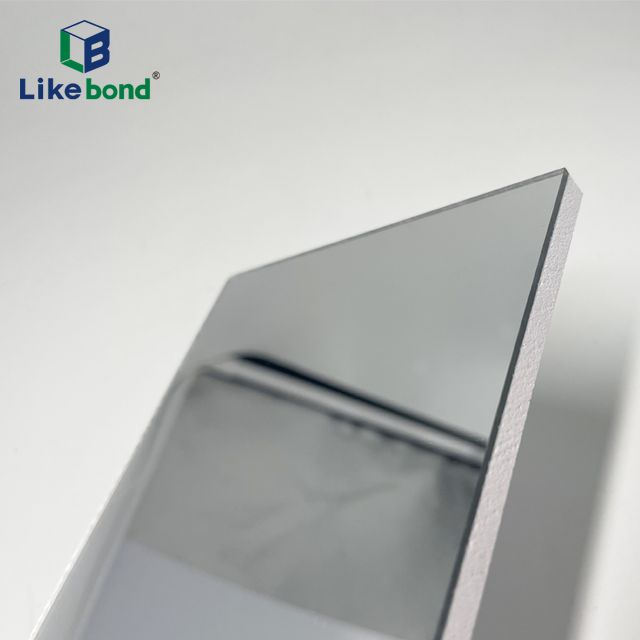
Glass provides absolute optical perfection and rigidity. It does not bend, meaning the reflection remains true regardless of the wall's condition. Acrylic offers excellent reflective fidelity at close range, but its inherent flexibility can lead to visual distortion over large spans if not properly supported. If the mounting surface is uneven, the acrylic will conform to those imperfections. A slight dip in the drywall will translate into a warped reflection, commonly referred to as the "funhouse effect." Achieving a perfect reflection with acrylic requires meticulous substrate preparation.
The primary vulnerability of acrylic is its susceptibility to surface abrasions. Glass is exceptionally hard and resists scratching from daily cleaning and incidental contact. Standard acrylic scratches easily. Dragging a rough paper towel across the surface can leave micro-scratches that dull the reflection over time. To mitigate this, many manufacturers offer anti-scratch or hard-coated acrylic mirror options. These specialized coatings significantly improve surface durability, allowing the material to withstand standard cleaning protocols, though they still require more careful maintenance than glass.
Acrylic expands and contracts with fluctuating temperatures at a much higher rate than glass. Installers must leave adequate expansion gaps around the panel edges, especially in large continuous runs, to prevent the material from bowing outward as it warms. Furthermore, while the acrylic polymer itself is waterproof, standard backing paint can degrade in highly humid environments. In commercial bathrooms or locker rooms with heavy steam, moisture can penetrate the edges and attack the backing, causing the mirror to desilver. For wet areas, glass or specialized marine-grade acrylic with sealed edges is required.
Successful installation demands a rigid, perfectly flat backing. You cannot mount acrylic directly to standard framed drywall if you expect a perfect reflection. The wall must be reinforced with thick MDF, heavy plywood, or skim-coated plasterboard. Any wave, screw pop, or seam in the wall will transfer directly to the panel. When using adhesives, you must use non-solvent based mirror mastics specifically formulated for acrylic. Standard construction adhesives contain aggressive solvents that will melt the backing paint, destroying the aluminum layer and leaving ugly, permanent marks visible from the front.
Cutting an acrylic mirror requires specific techniques to prevent chipping the reflective backing. Use fine-toothed saw blades designed specifically for plastics (typically 80-tooth or higher for a 10-inch blade). When using a circular saw or track saw, cut with the reflective side facing up. This ensures the blade teeth enter the paint first and exit through the clear plastic, preventing the backing from tearing. Keep the protective masking on the sheet until the final installation is complete to prevent accidental surface scratches. For thin sheets (1/8" or less), DIY-friendly scoring-and-snapping methods work well, provided you use a dedicated plastic scoring knife and a heavy straight edge.
Strict cleaning protocols are necessary to maintain surface clarity. Never use ammonia-based glass cleaners (like standard Windex) or abrasive paper towels on acrylic. Ammonia causes the plastic to craze, developing a network of cloudy micro-cracks that permanently ruin the panel. Clean the surface using only mild soap and water or specialized plastic polishes. Apply the cleaner with a clean, soft microfiber cloth, wiping in straight lines rather than circles to minimize the visibility of any potential micro-abrasions.
Retail displays, ceiling panels, and fitting rooms benefit immensely from the lightweight and shatter-resistant properties of acrylic. Stores can mount large reflective panels overhead to create the illusion of higher ceilings without the massive structural reinforcement and safety cables required for overhead glass. In fitting rooms, where doors are constantly slammed and carts bump into walls, acrylic survives impacts that would shatter standard mirrors.
Homeowners and interior designers utilize acrylic for custom DIY wall mirrors, lightweight wardrobe door inserts, and nursery decor. In children’s playrooms, safety is the top priority. Toddlers throwing toys or falling against the wall make glass a severe hazard. Shatterproof acrylic is the only viable choice for full-length mirrors in these residential zones. Additionally, its light weight allows renters to mount large mirrors using removable adhesive strips rather than drilling heavy anchors into the drywall.
Psychiatric wards, prisons, and pediatric centers require strict shatterproof compliance. In these environments, materials cannot be weaponized or pose a self-harm risk. Acrylic panels provide necessary reflective surfaces for supervision, physical therapy, and daily use without introducing dangerous materials into highly sensitive environments. They are often mounted flush to the wall with tamper-proof mechanical fasteners.
Gymnasiums, weight rooms, and dance studios require massive, continuous mirrored walls. Using large-format acrylic panels protects athletes and dancers from severe injury. If a stray dumbbell or a moving body impacts the wall, the acrylic will absorb the shock. While it may dent or crack under extreme force, it will not drop hundreds of pounds of sharp glass onto the floor.
Outdoor riding arenas use mirrors to help riders check their posture and horse's form. Outdoor applications require highly specialized acrylic. Installers must account for UV stability, massive temperature-induced shifting, and weather-resistant backing requirements. Standard acrylic will yellow and desilver rapidly in the sun and rain. Marine-grade acrylic with edge sealants and heavy-duty exterior framing is required to prevent the mirror from degrading in the elements.
Evaluating the quality of the backing is critical when selecting a supplier. A robust backing paint prevents peeling, bubbling, or flaking over time. Request physical samples from potential suppliers to test the backing's adhesion. You can perform a simple cross-hatch test with a utility knife and tape to see if the paint pulls away easily. If it does, the mirror will likely fail during installation or routing.
Assess the protective masking options provided by the manufacturer. Film masking is generally easier to peel and provides excellent protection against light scratches during processing and handling. Paper masking is thicker and better for heavy machining. It prevents the router base from marring the surface and absorbs more heat during cutting, reducing the chance of melting the plastic edges.
Verify manufacturing tolerances with your supplier before placing a bulk order. Ask about thickness tolerances across the sheet, overall size consistency, and the availability of custom color options. Many suppliers offer tinted acrylic mirrors in gold, bronze, grey, or rose gold, which are excellent for decorative architectural accents. Ensure the supplier packages the sheets flat on reinforced pallets to prevent bowing during freight transit.
An acrylic mirror is a highly specialized solution designed for environments prioritizing safety, weight reduction, and machinability. It is not a universal replacement for glass, particularly where absolute optical perfection is required over large, unsupported spans. Choose glass for small, high-end vanity mirrors where rigidity is paramount. Choose acrylic for large-scale gym walls, ceiling installations, home decor accent walls, or high-liability zones where safety cannot be compromised.
To ensure a successful installation, follow these next steps:
Assess your specific substrate conditions and reinforce the wall with MDF or heavy plywood to ensure a perfectly flat mounting surface.
Calculate your required panel dimensions, factoring in a 1/8" expansion gap around the perimeter to accommodate thermal shifting.
Consult with a reputable plastics distributor to obtain material samples and verify the correct acrylic-safe mirror mastic for your specific application.
Procure the correct plastic-cutting saw blades and microfiber cleaning supplies before the material arrives on site.
A: Distortion is caused by material flexibility and uneven installation, not the acrylic itself. Because acrylic is flexible, it conforms to the wall behind it. If the substrate is wavy or uneven, the reflection will be distorted. Mounting the panel to a perfectly flat, rigid backing like thick MDF eliminates this issue.
A: Use fine-toothed saw blades specifically designed for plastics. When using power saws like a circular saw, cut with the reflective side facing up so the blade teeth enter the paint first, preventing chipping. Always leave the protective film on during cutting to protect the front surface.
A: No. Standard glass cleaners contain ammonia and harsh solvents that will cause the acrylic to craze, developing cloudy micro-cracks that permanently damage the panel. Use only mild soap and water or specialized plastic cleaners applied with a clean microfiber cloth.
A: Standard acrylic mirrors will degrade outdoors due to UV exposure and moisture attacking the backing paint. For outdoor applications, you must specify marine-grade or specifically treated outdoor acrylic, seal the edges, and allow for significant thermal expansion in the framing.
A: You must use non-solvent, acrylic-safe mirror mastics. Standard construction adhesives contain aggressive solvents that will melt the backing paint, causing bubbles and ruining the reflective surface visible from the front. Always test the adhesive on a scrap piece first.
A: Thickness typically ranges from 1/8" (3mm) to 1/4" (6mm). For larger surface areas, 1/4" panels offer much better rigidity and resist bowing and distortion far better than thinner sheets, provided the wall behind them is flat and properly prepared.


