

Views: 0 Author: Site Editor Publish Time: 2026-03-12 Origin: Site


Mirrors are widely used in homes, offices, stores, exhibitions, and commercial spaces. Traditional mirrors are usually made from glass, but acrylic mirrors have become a popular alternative for applications requiring lower weight, improved safety, decorative colors, or customized shapes.
Acrylic mirrorsand glass mirrors both provide reflective surfaces, but their materials and physical properties are different. Acrylic is lightweight, shatter-resistant, and easy to process, while glass normally provides a clearer reflection and a harder surface.
Understanding these differences can help buyers select the right mirror for indoor decoration, advertising, retail displays, or other projects.
An acrylic mirror is made from a polymethyl methacrylate sheet, commonly called PMMA or acrylic. A reflective metal coating is applied to one side of the sheet to produce the mirror effect. A protective paint coating or self-adhesive layer may then be added behind the reflective surface.
PMMA is a transparent thermoplastic known for its optical clarity, low weight, and impact resistance. It can be cut, drilled, and shaped more easily than glass, making it useful for customized decorative and advertising applications.
Likebond offers acrylic mirrors in silver, gold, rose gold, red, blue, green, purple, and other colors. Available types include self-adhesive, paint-backed, double-sided, two-way, patterned, and hardened acrylic mirrors.
A glass mirror consists of a rigid glass sheet with a reflective layer, usually silver or aluminum, applied to its back. A protective coating is added behind the reflective layer to reduce corrosion and physical damage.
Glass mirrors are valued for their clear and stable reflection. Because glass is rigid, it remains flat and is less likely to distort the reflected image. Its surface is also harder and generally more resistant to scratches than acrylic.
However, glass is heavier and more fragile. Large glass mirrors require careful transportation and stronger installation support. If broken, they may produce sharp fragments that create a safety risk.
| Feature | Acrylic Mirror | Glass Mirror |
|---|---|---|
| Base material | PMMA plastic | Glass |
| Weight | Lightweight | Heavier |
| Breakage | Shatter-resistant | May shatter into sharp pieces |
| Processing | Easy to cut, drill, and shape | Requires specialized tools |
| Colors | Available in many decorative colors | Usually limited |
| Reflection | May distort if mounted unevenly | Clearer and more stable |
| Surface hardness | More easily scratched | More scratch-resistant |
| Installation | Easier to transport and mount | Requires stronger support |
| Typical use | Indoor decoration, signs, and displays | Bathrooms, bedrooms, hotels, and dressing areas |
Acrylic is generally more suitable when safety, low weight, customization, or decorative color is important. Glass is often preferred when accurate reflection and surface hardness are the main requirements.
Acrylic mirrors weigh considerably less than glass mirrors of a similar size. Their lower weight makes them easier to carry, package, transport, and install.
This is particularly useful for large decorative wall panels, exhibition stands, advertising signs, temporary displays, and elevated installations. Lightweight sheets also place less load on walls and supporting structures.
Acrylic is less likely to shatter into dangerous fragments when dropped or struck. This makes acrylic mirrors suitable for schools, exhibitions, public spaces, children’s products, and other indoor environments where broken glass could create a safety concern.
Shatter-resistant does not mean completely unbreakable. Acrylic can still crack, bend, or become damaged if exposed to excessive force.
Acrylic mirrors can be cut, drilled, engraved, and shaped into many designs. They can be used to make letters, logos, signs, decorative wall panels, geometric arrangements, display backgrounds, and custom reflective components.
Buyers can specify the required size, thickness, color, backing type, hole positions, and shape. This design flexibility is especially useful for advertising, retail, exhibitions, and interior decoration.
Unlike conventional glass mirrors, acrylic mirrors are available in a wide range of colors. Silver provides a traditional mirror effect, while gold and rose gold create a warmer decorative appearance. Red, blue, green, purple, and other finishes can support specific brand identities or creative designs.
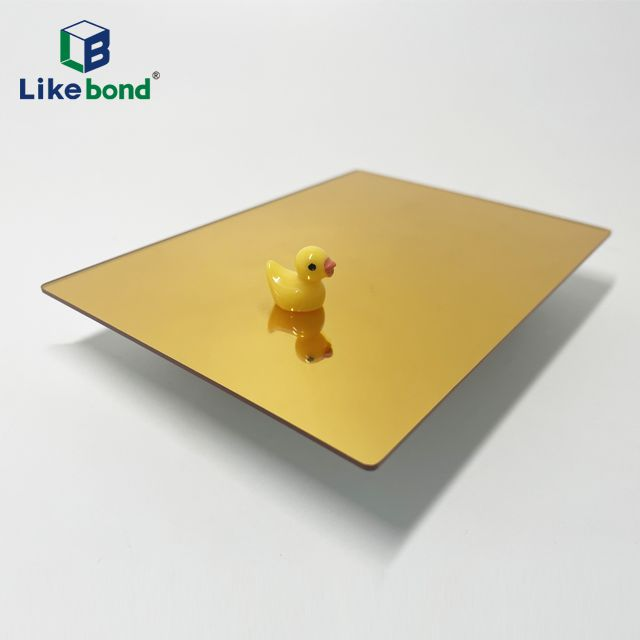
Self-adhesive acrylic mirrors can be mounted directly on a clean, smooth, dry, and flat surface. Their lightweight construction also simplifies installation compared with heavier glass mirrors.
The quality of the mounting surface is important. Acrylic is flexible, so an uneven wall or panel may bend the sheet and cause visible reflection distortion. Larger sheets may require a thicker material, additional support, or another suitable fixing method.
Acrylic is softer than glass. Rough cloths, abrasive cleaning products, sharp tools, and dust particles may scratch its surface.
Acrylic mirrors should be cleaned with a soft microfiber cloth and water or a cleaner suitable for acrylic. Abrasive powders, hard brushes, and strong solvents should be avoided.
Thin acrylic mirror sheets may bend if they are not supported correctly. This can create a curved or distorted reflection.
A suitable sheet thickness and a rigid, flat mounting surface can improve reflection quality. Glass remains the better option when highly accurate reflection is essential.
Acrylic mirrors can be used temporarily in protected outdoor areas, but they are generally not recommended for long-term outdoor installation.
Although the PMMA substrate has certain weather-resistant properties, an acrylic mirror also contains a reflective coating, backing, adhesive, and protective layers. Prolonged exposure to sunlight, rain, moisture, and temperature changes may affect these components.
Possible problems include fading, peeling, oxidation, reduced adhesion, and deterioration of the reflective appearance. Likebond also recommends avoiding prolonged exposure to strong direct light because colored acrylic mirrors may gradually fade.
For this reason, acrylic mirrors are mainly recommended for indoor or well-protected applications.
The manufacturing process begins with selecting a PMMA sheet with a smooth surface, consistent thickness, and suitable optical quality. The sheet is carefully cleaned to remove dust, grease, moisture, and other contaminants.
A reflective metal layer is then applied to one side of the acrylic. This coating creates the mirror effect, while the PMMA sheet provides structural support.
The reflective layer must be protected from scratches and damage. Depending on the product, a paint coating or self-adhesive layer is added behind it. Paint-backed mirrors provide additional protection, while self-adhesive products simplify installation on suitable surfaces.
The completed mirror sheet can be cut, drilled, or shaped according to customer drawings. Processing conditions must be controlled because excessive heat or unsuitable tools may damage the coating, melt the acrylic, or crack the edges.
A protective film is placed on the visible surface to prevent scratches during processing, transportation, and installation. Before packaging, the sheets are checked for surface defects, coating uniformity, color consistency, dimensions, and backing quality.
Likebond specializes in advertising and decorative materials. Its acrylic mirrors are mainly suitable for indoor and protected applications.
Acrylic mirrors can be installed as decorative wall panels, ceiling features, partitions, geometric arrangements, and other interior elements. Their light weight allows designers to create large reflective effects without using heavy glass panels.
Colored acrylic mirrors can be cut into letters, logos, directional signs, and promotional graphics. The reflective finish helps advertising elements attract attention under indoor lighting.
Retailers can use acrylic mirrors for display backgrounds, fitting mirrors, product presentation, decorative panels, and visual merchandising. Colored finishes can also reinforce a store’s brand style.
Gold and rose-gold acrylic mirrors can be applied to indoor walls or partitions to reflect lighting, create visual depth, and add a warmer decorative effect.
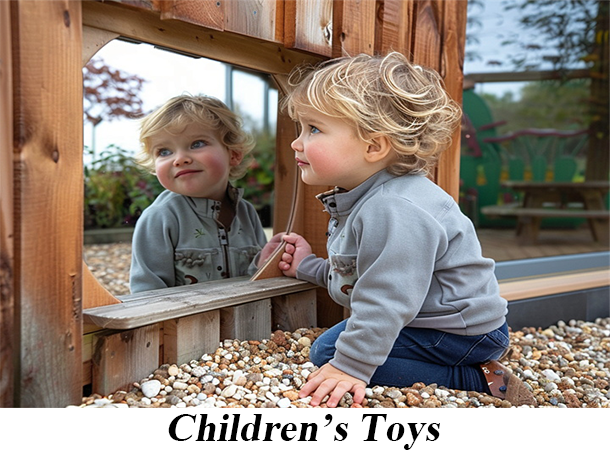
Their low weight and shatter resistance make acrylic mirrors useful for temporary exhibition structures and children’s products where glass breakage may present a safety risk.
Several factors should be considered before ordering.
Larger mirrors generally require thicker sheets to improve rigidity and reduce distortion. The appropriate thickness depends on the mirror size, mounting method, and required reflection quality.
Paint-backed acrylic mirrors protect the reflective layer and can be installed with a compatible fixing method. Self-adhesive products are suitable for direct mounting on smooth surfaces.
Select a color that matches the interior design, lighting, or brand identity. A hardened surface may be considered when improved scratch resistance is required.
The installation surface should be clean, smooth, dry, rigid, and flat. Uneven support may cause the acrylic sheet to bend and distort the reflection.
Likebond’s gold self-adhesive acrylic mirror is available in customizable sizes, thicknesses, colors, and adhesive options.
Correct care can help maintain the mirror’s appearance:
Keep the protective film in place until installation is complete.
Remove dust gently with a soft microfiber cloth.
Use clean water or a cleaner suitable for acrylic.
Avoid abrasive products, sharp tools, and rough brushes.
Keep moisture away from the backing and cut edges.
Avoid prolonged exposure to direct sunlight.
Do not install the sheet on an uneven surface.
Acrylic and glass mirrors provide reflective surfaces but meet different project requirements.
Acrylic mirrors are lightweight, shatter-resistant, colorful, and easy to customize. They are suitable for indoor decoration, advertising signs, retail displays, exhibitions, restaurants, and children’s products.
Glass mirrors are heavier and more fragile, but they generally offer a clearer reflection, greater rigidity, and better scratch resistance.
Acrylic mirrors can be used temporarily in protected outdoor areas, but they are not recommended for long-term outdoor installation. Selecting the correct thickness, backing, surface treatment, and mounting method will help maintain a stable reflection and attractive appearance.
It is made from a PMMA sheet with a reflective metal coating. A protective paint layer or self-adhesive backing may also be added.
Acrylic mirrors offer a clear reflection, but glass usually produces a sharper and more stable image. Acrylic must be mounted on a flat surface to reduce distortion.
No, acrylic mirrors are not recommended for outdoor use. Sunlight, rain, moisture, and temperature changes may damage the reflective coating, backing, or adhesive.
The cost depends on size, thickness, color, backing, surface treatment, processing, and quantity. Acrylic may reduce transportation and installation costs because it is lighter.
Yes. Acrylic mirrors can be cut, drilled, and customized into different shapes and sizes. Professional processing is recommended for complex designs, clean edges, and precise holes.


