

Views: 0 Author: Site Editor Publish Time: 2026-08-10 Origin: Site


Specifying acrylic panels for framing, architectural displays, or high-end signage often seems straightforward. However, this common procurement process frequently leads to frustrating issues. You might experience severe glare, artwork degradation, or noticeable color inconsistency. The core problem lies in the hidden risks of treating all acrylic as a generic commodity. Choosing standard clear acrylic when a project demands specialized art-grade material jeopardizes the final presentation. It risks permanent damage to underlying assets. Conversely, over-specifying premium materials for temporary installations wastes your valuable project budget. This article provides a definitive, specification-focused framework to help you evaluate these materials accurately. Buyers, fabricators, and designers will learn the precise technical and aesthetic differences between standard options and specialty sheets. We will explore optical control, structural properties, and application-specific logic. You will learn how to ensure your next specification perfectly aligns with both visual goals and practical constraints.
You must understand how manufacturers produce these materials to specify them correctly. Production methods dictate physical properties. They influence optical clarity. They determine how the material behaves during fabrication.
Factories typically manufacture standard clear acrylic via extrusion. Some use basic cell-casting methods. The extrusion process pushes molten plastic through specialized dies. It passes through large cooling rollers. This continuous manufacturing method favors high volume. It keeps raw costs low. The resulting material yields roughly 92% light transmission. You will notice a highly reflective surface. It provides only baseline UV protection. Fabricators primarily value this commodity material for its lightweight nature. It resists shattering much better than traditional glass. You will often see it used in temporary barriers or basic protective covers.
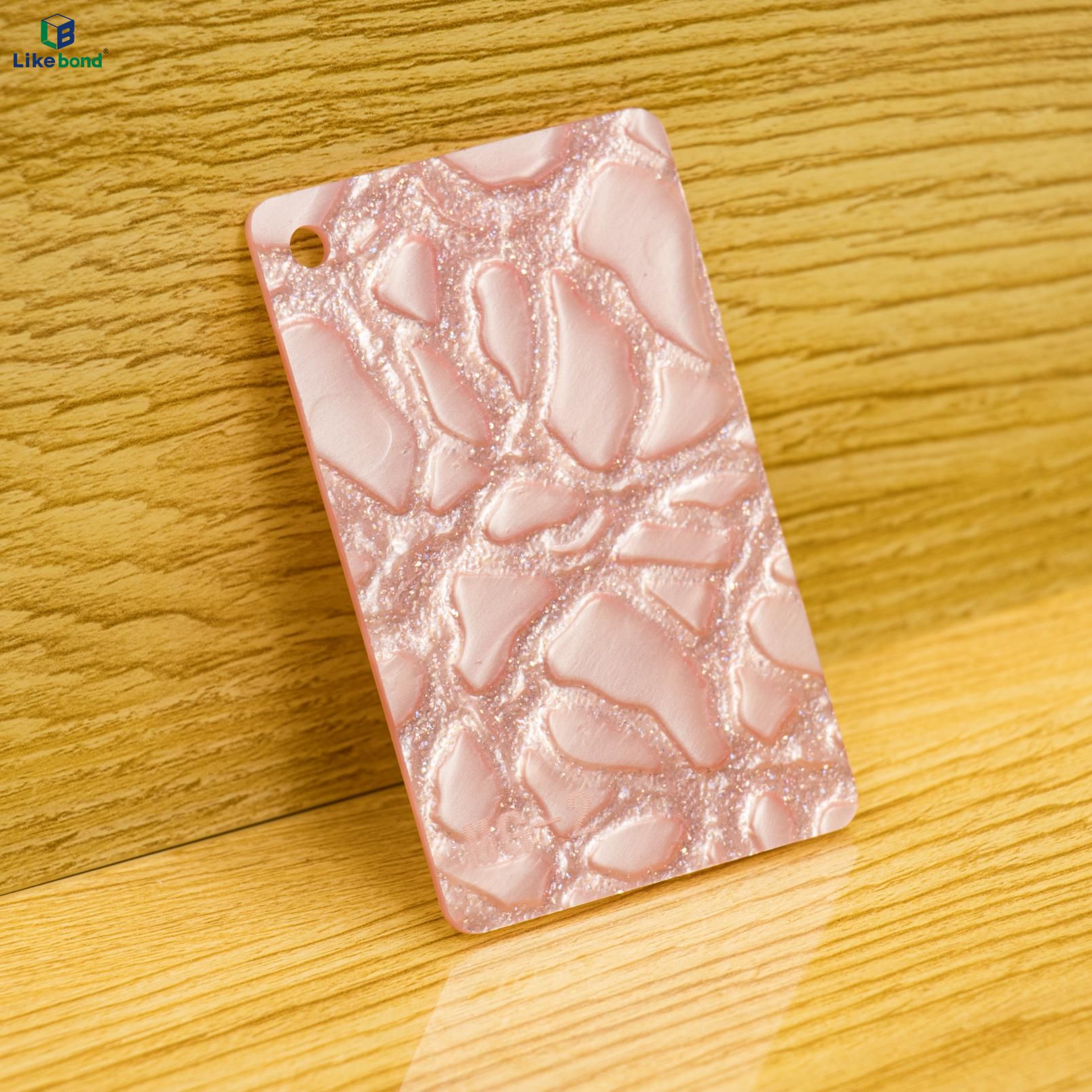
An Art Acrylic Sheet requires entirely different manufacturing protocols. Factories almost exclusively cell-cast these premium panels. Workers pour liquid resin between two pristine glass plates. They cure it slowly in water baths or ovens. This careful process ensures maximum structural purity. It eliminates manufacturing impurities. It prevents visual ripples common in extruded plastics. Engineers treat these sheets using specialized optical coatings. They may also cast them using specific UV-absorbent resins. These additions create advanced matte finishes. They offer museum-grade anti-reflective optics. The category also includes precisely calibrated opaque formats. You can specify highly engineered translucent variations for demanding design projects.
Optical performance separates commodity plastics from professional-grade solutions. You must evaluate light interaction carefully. We break this down into three critical dimensions.
Ultraviolet radiation destroys pigments over time. It breaks down molecular bonds in paper. It ruins expensive textiles. Standard clear acrylic passes ambient UV light freely. It typically filters only about 70% of UV rays. This risks irreversible photo-degradation to artwork. It fades printed signage rapidly. It damages retail merchandise placed near windows.
Art-grade variations solve this chemical problem. Manufacturers engineer them to block 90% to 99% of harmful UV rays. They target the critical 300 to 400-nanometer wavelength range. This protection proves essential for conservation framing. It protects long-term architectural installations. It aligns with strict conservation standards for archival preservation.
Standard clear acrylic is highly reflective. It acts almost like a mirror in bright environments. It reflects roughly 8% of incident light. This often obscures the underlying subject. It creates visual noise in environments with direct overhead lighting. Natural sunlight renders standard acrylic virtually unreadable.
Art-grade acrylic attacks reflection through two different technologies. Some versions utilize microscopic matte finishes. We call this non-glare acrylic. It scatters light effectively. Other premium versions use advanced anti-reflective optical coatings. Manufacturers apply these thin-film coatings in vacuum chambers. They use destructive interference to reduce light reflection below 1%. This ensures unimpeded viewing angles. It creates an almost invisible barrier between the viewer and the object.
Standard clear acrylic offers a binary use case. It remains fully transparent. It offers zero light manipulation. This limits its usefulness in dynamic lighting scenarios.
Art-grade materials incorporate advanced light-diffusing properties. You can choose between specific translucent and transparent grades. This includes specifying a Colored Acrylic Sheet for back-lit signage. Translucent art sheets diffuse LED light perfectly. They ensure edge-to-edge color consistency. They eliminate ugly hotspotting from internal light sources. They provide capabilities standard clear sheets simply cannot match.
Theoretical differences matter little without practical application. Let us examine how these materials perform across three distinct professional environments.
The Risk: Gallery environments face two massive threats. Artwork fading destroys asset value. Heavy viewer reflection ruins the exhibition experience.
The Solution: Art acrylic remains strictly non-negotiable for conservation framing. It protects the asset while remaining invisible. It provides a massive lightweight advantage over traditional museum glass. You need this weight reduction for large-scale framing installations. Glass becomes dangerously heavy beyond certain dimensions. Art acrylic provides safety without sacrificing optical purity.
Best Practice: Always maintain a slight air gap between anti-reflective acrylic and the artwork surface. This prevents potential moisture transfer. It maintains the archival integrity of the frame package.
The Risk: Retail displays suffer from brand degradation. Inconsistent colors confuse customers. Structural weathering ruins the aesthetic appeal of premium retail environments.
The Solution: High-impact commercial displays require specialty materials. They benefit greatly from colored or frosted art acrylics. A vibrant colored acrylic panel matches brand guidelines perfectly. It diffuses internal illumination evenly. Standard clear acrylic remains sufficient only for temporary protective barriers. You might use it for secondary display bins where visual perfection matters less.
The Risk: Large interior panels suffer from visual noise. They also experience light transmission failure over time. Poor material choice leads to structural bowing.
The Solution: You must evaluate structural rigidity carefully during installation planning. Cell-cast art acrylic offers superior rigidity. It maintains its shape across large spans. Extruded clear acrylic often bows under its own weight. It absorbs moisture differently. It warps easily in fluctuating temperatures. Cast art acrylic guarantees straight lines and clean reflections for high-end architectural glazing.
Procurement teams must balance initial budgets against long-term project viability. You cannot evaluate these materials purely on upfront sheet costs.
You must acknowledge the initial premium. Art-grade and specialty colored acrylics require complex manufacturing. They involve vacuum chambers and slow curing times. Consequently, they can cost two to four times more per square foot than standard extruded clear sheets. Extruded commodity plastics represent the absolute lowest price point available.
You must frame the material cost against the value of the asset being protected. A cheap sheet of acrylic over a valuable painting represents poor logic. You must calculate the return on investment. Premium materials require reduced maintenance. They offer a significantly longer lifespan in UV-heavy environments. They ensure compliance with strict conservation standards. Standard materials often yellow over time. They require premature replacement. They fail to protect the underlying assets from sun damage.
Fabrication labor heavily influences final project costs. Cast art acrylics machine much cleaner than standard extruded acrylics. Extruded plastic possesses internal stress from the manufacturing rollers. It melts easily during high-speed CNC routing. It gums up router bits. It micro-crazes during laser cutting. Cast acrylic turns to crisp dust during routing. It laser cuts with a perfectly polished edge. This significantly reduces fabrication waste. It lowers manual labor costs associated with edge polishing and finishing.
You can streamline your procurement process using a systematic approach. Follow these four steps to determine the correct specification for your project.
Material Specification Decision Matrix
| Environmental Threat | Primary Aesthetic Goal | Asset Value | Recommended Specification |
|---|---|---|---|
| High UV / Direct Sun | Invisible Protection | High / Irreplaceable | Anti-Reflective UV Art Acrylic |
| Overhead Spotlights | Glare Elimination | Moderate | Non-Glare (Matte) Art Acrylic |
| Internal LED Backlighting | Even Light Diffusion | Commercial Brand Value | Colored / Translucent Art Acrylic |
| Low Threat / Ambient Light | Basic Physical Barrier | Low / Temporary | Standard Clear Extruded Acrylic |
The choice between an art acrylic sheet and standard clear acrylic goes far beyond basic aesthetics. It represents a calculated decision. You must balance optical clarity against asset protection. You must weigh long-term durability against your initial project budget. Standard clear acrylic serves functional, temporary needs perfectly. However, art-grade panels provide the engineered optical control necessary for permanent, high-value installations.
You should avoid ordering materials blindly based on generic trade names like Plexiglass. These names encompass dozens of different plastic grades. Always request physical material samples before ordering. Place them in your actual lighting environment to check for glare. You should consult with a fabrication specialist regarding sheet tolerances and machining capabilities. Most importantly, always review the manufacturer's Technical Data Sheets (TDS). Check the exact UV filtration percentages and light transmission ratings before you place bulk orders.
A: Plexiglass is simply a brand name for acrylic. Standard Plexiglass is entirely comparable to standard clear acrylic. However, the brand also manufactures specialty art-grade variations. You must specify the exact grade or product line, rather than just asking for "Plexiglass," to ensure you receive museum-quality or anti-reflective panels.
A: Yes. Inherently colored and fully opaque acrylics block a significant amount of light and UV radiation naturally. However, for transparent colored panels, you cannot assume total UV blockage. You must verify specific UV-filtering grades via the manufacturer's technical spec sheet to guarantee archival protection.
A: Traditional non-glare acrylic uses a matte finish. It can slightly soften or blur the underlying image if you do not place it directly against the artwork. For spaced displays or shadowbox framing, you must use anti-reflective coated art acrylic instead. This maintains perfect crispness across air gaps.
A: You must exercise extreme caution. Never use ammonia-based glass cleaners like Windex. Never use rough paper towels or abrasive cloths. These will instantly strip anti-reflective coatings. They cause permanent micro-abrasions. Always use dedicated acrylic cleaners and pristine microfiber cloths to maintain the optical purity of art-grade sheets.


