

Views: 0 Author: Site Editor Publish Time: 2026-08-08 Origin: Site


Integrating large-scale reflective surfaces into commercial or architectural spaces presents a major engineering challenge. You must balance aesthetic goals with strict structural load limits. Traditional glass mirrors often fail in these environments. They bring excessive weight, high shatter risks, and complex installation requirements. These factors increase liability in high-traffic areas and drive up labor expenses.
Fortunately, a practical alternative exists. Specifying acrylic mirror sheets resolves these weight and safety constraints. This thermoplastic solution provides brilliant optical clarity without the heavy structural burden. To succeed with this material, you must carefully evaluate thickness, substrate preparation, and environmental factors. This guide explores why these lightweight panels dominate modern decorative installations. You will learn how to specify them correctly and avoid common installation failures.
Weight Reduction: Acrylic mirror sheets are up to 50% lighter than traditional glass, enabling overhead installations, dynamic retail signage, and reducing the need for heavy structural reinforcement.
Risk Mitigation: Offering 17x to 20x the impact resistance of glass, acrylic mirrors significantly lower liability and breakage risks in high-traffic commercial environments.
Installation Realities: While highly versatile and easier to carry, achieving glass-like optical clarity with a large acrylic mirror requires rigid, perfectly flat substrates to prevent visual distortion (the "funhouse effect").
Cost Efficiency: Overall expenditure is often lower due to reduced shipping costs, easier handling, elimination of specialized glaziers, and simplified on-site fabrication, offsetting initial material investments.
Traditional glass is exceptionally dense. A standard quarter-inch glass mirror weighs over three pounds per square foot. When you scale this up for architectural applications, the dead-load calculations quickly become problematic. Suspended ceiling displays and large wall features require massive structural reinforcement to support this weight safely. Engineers must often overbuild the framing systems, upgrading from light-gauge steel studs to heavy structural steel just to handle the glass panels.
Logistics present an equally massive hurdle on the job site. Transporting heavy glass panels requires specialized A-frame trucks and dedicated delivery crews. Moving them through a building requires heavy-duty suction cups, multiple workers, and sometimes mechanical hoists. If a panel needs to go up several floors, elevator weight limits and dimensional constraints can halt a project entirely. You end up paying for specialized rigging equipment and extra labor hours before the installation even begins.
Modern retail environments demand agility. Point-of-purchase displays and seasonal retail signage change frequently. Temporary exhibition structures simply cannot support the heavy dead loads of glass. Designers need materials that look premium but meet strict weight caps. Glass fails this test in almost every temporary or modular application, forcing fabricators to look for lighter alternatives that do not compromise on the reflective finish.
Glass breaks into sharp, dangerous shards. This inherent fragility creates massive liability issues in public venues. Retail stores, fitness centers, and hospitals see constant foot traffic. Accidental impacts from shopping carts, heavy gym equipment, or medical beds can easily shatter a standard glass mirror. The resulting cleanup is hazardous, and the potential for injury is severe. A single shattered mirror in a public corridor creates an immediate safety crisis.
Building codes reflect these dangers. Local safety compliance regulations often restrict standard glass in specific architectural zones. You cannot legally install non-tempered glass in high-risk areas like doors, low wall sections, or overhead installations. While tempered mirror glass exists, it is notoriously difficult to work with. You cannot cut or drill tempered glass on-site. If a measurement is off by a fraction of an inch, the entire panel goes in the trash. This lack of flexibility forces contractors to seek safer, more adaptable materials that still meet strict fire and safety codes.
Manufacturers create acrylic mirrors through a precise vacuum metallizing process. They take a high-quality sheet of polymethyl methacrylate (PMMA) and place it in a vacuum chamber. A thin layer of aluminum is vaporized and deposited onto the back of the plastic. This creates the reflective surface. Finally, a tough protective coating is applied over the aluminum to prevent oxidation and scratching from behind. This multi-layer construction ensures the reflective backing remains intact during handling and installation.
This manufacturing method yields a remarkably high reflectivity index. When properly mounted, the reflective appearance perfectly matches traditional glass. Specifiers can confidently use it in high-end environments without sacrificing visual quality. The surface provides a bright, crisp reflection that enhances interior lighting and spatial perception. You get the exact same aesthetic result as glass, but with a completely different set of physical properties.
The base material offers distinct physical advantages. It balances optical clarity with structural flexibility. Unlike glass, acrylic can bend slightly without snapping. This flexibility allows it to conform to gently curved surfaces, making it a favorite for custom architectural features. It also absorbs vibrations well, making it ideal for environments near heavy machinery, transit hubs, or high-traffic corridors where rigid glass might crack under constant micro-movements.
The weight difference between these two materials drives most specification decisions. At identical thicknesses, acrylic is approximately half the weight of glass. This massive reduction changes the entire engineering approach for a space. You no longer need to design walls specifically to hold up the mirrors.
| Material Property | Traditional Glass (1/4" / 6mm) | Acrylic Mirror (1/4" / 6mm) |
|---|---|---|
| Weight per Sq. Ft. | ~3.28 lbs | ~1.56 lbs |
| Impact Resistance | Low (Shatters easily) | High (17x - 20x stronger) |
| On-Site Fabrication | Impossible (if tempered) / Difficult | Easy (Standard woodworking tools) |
| Flexibility | Rigid (Snaps under tension) | Flexible (Can be cold-formed) |
| Thermal Expansion | Minimal | High (Requires expansion gaps) |
A 50% weight reduction directly translates to lower structural framing costs. You do not need heavy steel reinforcements to hold an acrylic panel on a wall. Standard drywall anchors and lightweight aluminum channels are often sufficient. This speeds up the installation timeline significantly and reduces the overall material budget for the framing contractors.
Handling the material is also much easier. Two workers can easily carry a large acrylic sheet that would otherwise require four workers and mechanical lifting gear if it were glass. This reduces reliance on specialized heavy-lifting equipment. It also eliminates the need to hire expensive glazing contractors. General carpenters and display fabricators can handle the installation with standard tools, keeping the project schedule tight and manageable.
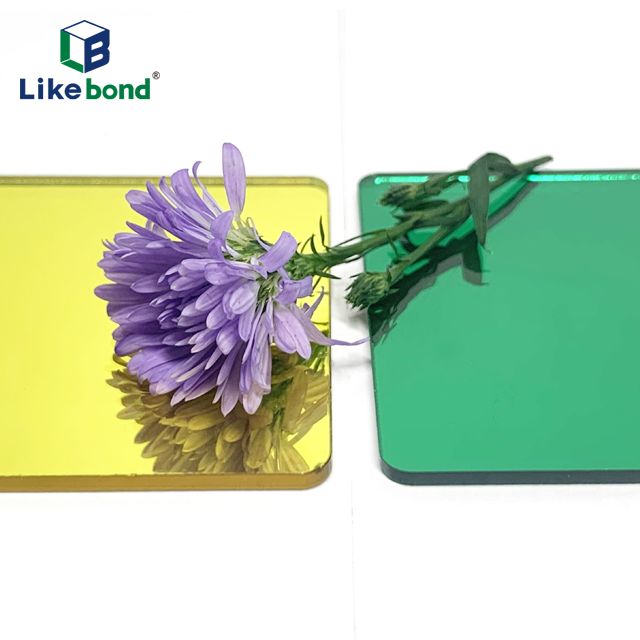
Durability defines the lifespan of any architectural finish. Acrylic mirrors excel in environments prone to blunt force. Testing shows this material is 17 to 20 times stronger than standard glass of the same thickness. It absorbs localized impacts that would instantly destroy a traditional mirror. This makes it highly suitable for retail dressing rooms, gymnasiums, and public transit stations.
When pushed beyond its breaking point, acrylic behaves predictably. It is highly shatter-resistant. Instead of exploding into hundreds of dangerous, jagged shards, it will simply crack. The pieces remain relatively large and dull-edged. This failure mode makes it the premier choice for high-liability zones like psychiatric wards, prisons, public restrooms, and children's play areas where safety is the absolute highest priority.
Selecting the correct thickness is the most critical step in specification. There is a direct correlation between sheet thickness, overall panel size, and optical rigidity. Thin sheets are highly flexible. Thick sheets remain rigid over longer spans. If you specify the wrong thickness, the installation will fail visually.
Use 1/8-inch (3mm) thickness only for small decorative pieces, intricate laser-cut shapes, or compact retail signage. At this thickness, the material lacks the structural integrity to span large areas without bowing. If you attempt to use 1/8-inch material for a full-length wall mirror, you will experience severe visual distortion as the plastic flexes against the wall.
For any large acrylic mirror application, 1/4-inch (6mm) thickness is mandatory. The thicker gauge provides the necessary stiffness to maintain surface flatness. It resists the minor wall imperfections that cause thinner sheets to warp. Investing in the thicker gauge ensures the final installation looks professional and optically accurate, mimicking the rigidity of glass.
Fabrication flexibility sets thermoplastic mirrors apart. You can easily cut, drill, and shape them directly on the job site. This allows fabricators to make real-time adjustments for out-of-plumb walls or unexpected electrical outlets. Glass requires precise off-site fabrication, causing massive delays if site conditions change. To successfully cut acrylic on-site, follow these specific steps:
Leave the protective masking film on the sheet during all cuts to prevent surface scratches.
Equip your circular saw or table saw with a high-tooth-count plastics blade (triple-chip grind is preferred).
Secure the sheet firmly to a flat work surface to prevent chatter and vibration during the cut.
Feed the saw at a steady, moderate pace to avoid melting the plastic edges from excessive friction.
Use a step drill bit for any holes to prevent the bit from grabbing and cracking the material.
Thermoforming opens up entirely new design possibilities. You can heat acrylic mirrors in an industrial oven and drape them over custom molds. Once cooled, they retain the new shape perfectly. This allows for stunning curved architectural installations, cylindrical column wraps, and bespoke retail fixtures that are impossible to achieve with standard glass.
The primary drawback of acrylic mirrors is their inherent flexibility. If the panel bows even slightly, the reflection stretches and compresses. This creates optical distortion over large spans, commonly known as the "funhouse effect." Preventing this requires meticulous planning and flawless execution by the installation team.
Substrate preparation is non-negotiable. You cannot mount these panels directly to standard drywall and expect a perfect reflection. Drywall is rarely flat. It has taped seams, screw pops, and subtle waves. The acrylic will conform to every single imperfection, magnifying the flaws in the wall behind it.
You must mount the mirror to a perfectly flat, rigid surface. Use 3/4-inch MDF (Medium Density Fiberboard) or cabinet-grade plywood as a backing board. Ensure the backing board is securely anchored to the studs and checked for plumb with a long level. Sand down any joints or screw heads. Only when the substrate is perfectly flat and clean should you apply the mirror panel.
Acrylic is a relatively soft plastic. It is much more susceptible to surface scratching than glass. Abrasive cleaning pads, rough paper towels, or even dry dusting can leave micro-scratches that dull the reflective finish over time. In high-traffic areas, these scratches accumulate quickly and degrade the appearance of the installation.
For high-touch areas, specify hard-coated acrylic mirrors. Manufacturers apply a clear, abrasion-resistant coating over the front surface during production. This coating significantly improves scratch resistance and extends the visual lifespan of the panel in demanding environments like retail floors and public lobbies.
Proper maintenance protocols are strict. Never use ammonia-based cleaners like standard glass sprays. Ammonia attacks the plastic, causing it to craze (develop tiny surface cracks) and turn cloudy. Clean the surface only with mild dish soap and warm water. Use clean, high-quality microfiber cloths. Wipe gently in straight lines rather than circular motions to minimize the risk of swirl marks.
Thermoplastics react to their environment. Extreme temperature fluctuations cause the material to expand and contract significantly. If you install a panel in direct sunlight without proper expansion gaps, the heat will cause it to bow outward or crack at the fastening points. You must account for HVAC vents and direct solar gain when positioning the panels.
Moisture presents another serious risk. Standard acrylic mirrors are not designed for outdoor use. If exposed to high humidity or direct rain, moisture will penetrate the edges. This causes the protective back coating to degrade and the aluminum reflective layer to delaminate. The mirror will develop black spots and peeling edges within a few months of exterior exposure.
If your project requires outdoor installation, you must use specialized weather-resistant sealing. The edges must be completely encapsulated in a compatible silicone sealant to block moisture ingress. Even with sealing, outdoor lifespan is shorter than indoor applications. Always manage client expectations regarding exterior use and specify marine-grade options when available.
Adhesive selection dictates the success or failure of the installation. Using the wrong glue will destroy the mirror. Never use solvent-based adhesives, standard construction liquid nails, or silicone containing acetic acid (which smells like vinegar). These chemicals will eat through the protective backing and dissolve the reflective aluminum layer, leaving ugly permanent marks visible from the front.
| Adhesive Type | Compatibility | Result on Acrylic Mirror |
|---|---|---|
| Solvent-Based Construction Glue | Unsafe | Dissolves backing, ruins reflection |
| Standard Silicone (Acetic Cure) | Unsafe | Eats reflective layer over time |
| Mirror Mastic (Non-Solvent) | Safe | Provides strong, permanent bond |
| Acrylic Double-Sided Tape | Safe | Instant hold, maintains uniform thickness |
You must use specific mirror-mastic formulations designed explicitly for acrylic. These mastics are solvent-free and chemically inert. Alternatively, specialized double-sided acrylic tapes work exceptionally well. Tape provides an instant bond and uniform thickness, which helps maintain surface flatness. Many professional installers use a combination of tape for immediate hold and mastic for long-term strength.
How you apply the adhesive matters just as much as the adhesive itself. Applying thick globs of mastic will cause "read-through." As the mastic cures and shrinks, it pulls the flexible acrylic inward. This creates visible dimples and distortion on the mirror face, ruining the optical clarity.
To prevent read-through, apply the mastic in vertical beads using a V-notch trowel. Keep the beads uniform in size and spacing. Do not create closed loops of adhesive, as this traps air pockets that expand and contract with temperature changes. Press the panel firmly and evenly against the substrate using a rubber J-roller to ensure consistent contact across the entire surface.
Mechanical fastening offers an alternative to direct adhesion. Using stainless steel standoffs or aluminum J-channels allows the panel to float slightly. This method eliminates adhesive read-through entirely. It also makes the panels much easier to replace if they become scratched or damaged in the future, saving significant labor costs on maintenance.
Acrylic has a high thermal expansion coefficient. A large panel can expand by up to 1/8 inch for every four feet of length depending on temperature swings. You must accommodate this movement during installation, or the panel will buckle under its own pressure.
Always leave adequate expansion gaps at the edges of the panel. Do not butt the mirror tightly against adjacent walls, ceilings, or rigid frames. Leave at least a 1/16-inch to 1/8-inch gap around the entire perimeter. You can cover this gap with a floating trim piece that does not pinch the plastic, allowing it to move freely behind the trim.
If you are drilling holes for mechanical fasteners, drill the holes slightly larger than the screw shaft. This creates a clearance hole that allows the panel to shift slightly as temperatures change. Tightening screws directly against the plastic will cause stress fractures radiating from the hole over time. Use rubber washers to distribute the pressure safely and prevent the screw head from biting into the material.
Acrylic mirror sheets offer a superior solution for projects that prioritize weight reduction, safety, and custom fabrication. They eliminate the heavy structural burdens and shatter risks associated with traditional glass. However, success depends entirely on proper execution. The installation environment must accommodate the material's inherent flexibility and thermal movement. To ensure a flawless installation, follow these exact steps:
Specify a 1/4-inch (6mm) thickness for large-scale applications to guarantee optical rigidity and prevent distortion.
Prepare backing walls with 3/4-inch MDF to ensure a perfectly flat, plumb substrate before mounting.
Verify all adhesives and cleaning supplies are solvent-free and explicitly safe for thermoplastics.
Incorporate 1/8-inch expansion gaps around the perimeter to prevent bowing and stress fractures.
A: At identical thicknesses, an acrylic mirror sheet is about 50% lighter than glass. A 1/4-inch glass mirror weighs 3.28 pounds per square foot. A 1/4-inch acrylic mirror weighs just 1.56 pounds. This reduction eliminates heavy structural framing and makes on-site handling much easier for installation crews.
A: To prevent the "funhouse effect," use a thicker gauge sheet, typically 1/4-inch. Mount the panel to a perfectly flat, rigid substrate like 3/4-inch MDF. Apply mirror-safe mastic evenly using vertical beads to prevent adhesive read-through. Never mount large acrylic panels directly to uneven drywall.
A: Standard acrylic mirrors fail outdoors. High moisture penetrates the edges, causing the reflective backing to degrade and delaminate. UV exposure also yellows the plastic over time. If outdoor use is mandatory, seal all edges completely with compatible silicone and specify UV-resistant marine-grade options.
A: Use solvent-free, mirror-safe mastics or specialized double-sided acrylic tapes. Never use standard construction adhesives, liquid nails, or silicone containing acetic acid. Solvent-based adhesives chemically attack the protective backing and destroy the reflective aluminum layer, ruining the panel entirely.
A: Clean the surface using only mild dish soap, warm water, and a clean microfiber cloth. Wipe gently in straight lines. Never use ammonia-based glass cleaners, paper towels, or abrasive scrubbing pads. Ammonia causes the plastic to craze, while rough materials leave permanent micro-scratches.
A: Acrylic is a combustible thermoplastic. It lacks the fire resistance of glass. You must verify local commercial building codes and check the specific UL fire ratings of the acrylic product before installation. Many jurisdictions restrict combustible plastics in egress corridors or near open heat sources.


